AI electricity growth needs a denominator
April’s IEA report separated rapid growth from an uncertain demand outlook.
- Event / announcement date
- 2026-04-16
- Earliest linked source date
- 2024-12-20
- NewsTumble first published
- 2026-10-27T00:27:50Z
- NewsTumble updated
- 2026-10-27T00:27:50Z
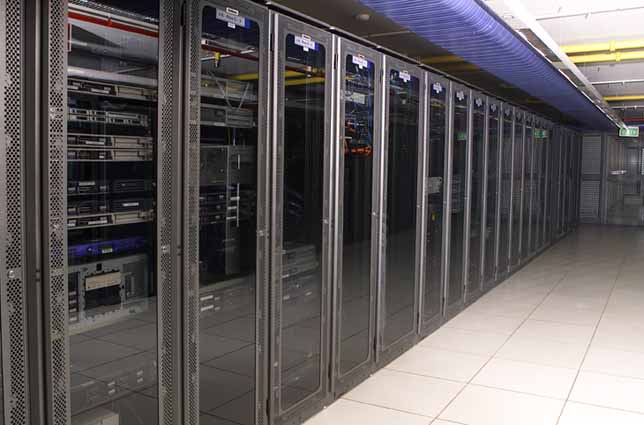
Historical report — The IEA’s April 16, 2026 report estimated that global data-centre electricity demand grew 17% in 2025, with AI-focused facilities growing 50%. The second figure described a subset, not another increase to add to the first. [1]
A December 2024 U.S. Department of Energy release supplied a different frame. Its Berkeley Lab report put American data-centre electricity use at 176 terawatt-hours in 2023 and projected 325–580 by 2028. That national forecast range concerned a different geography and period from the IEA’s global growth estimate; it was not observed 2028 consumption. [2]
Units also change the question. EIA’s reference distinguishes watts of power at a moment from watt-hours of energy over time. A project’s megawatt capacity therefore needs an operating period and usage assumptions before comparison with annual electricity consumption. A large capacity announcement alone does not establish how much electricity a site actually used. [3]
The IEA identified interacting uncertainties: efficiency improvements, adoption and changing capabilities that enable more intensive tasks. Its outlook depended on their direction; falling energy per simple query did not fix future demand. [1]
The source
- International Energy Agency: Key Questions on Energy and AI — Executive summary ↗
Source published 2026-04-16 · reviewed October 26, 2026 - U.S. Department of Energy: DOE Releases New Report Evaluating Increase in Electricity Demand from Data Centers ↗
Source published 2024-12-20 · reviewed October 26, 2026 - U.S. Energy Information Administration: Measuring electricity ↗
Undated reference · reviewed October 26, 2026 · No publication date is given for this reference; retrieval time is not its publication date.
About this item: Retrospective report. No first-hand reporting or independent testing is claimed. Corrections policy.