NIST’s fire-routing AI stayed in simulation
Real buildings still posed unanswered questions.
- Event / announcement date
- 2026-06-04
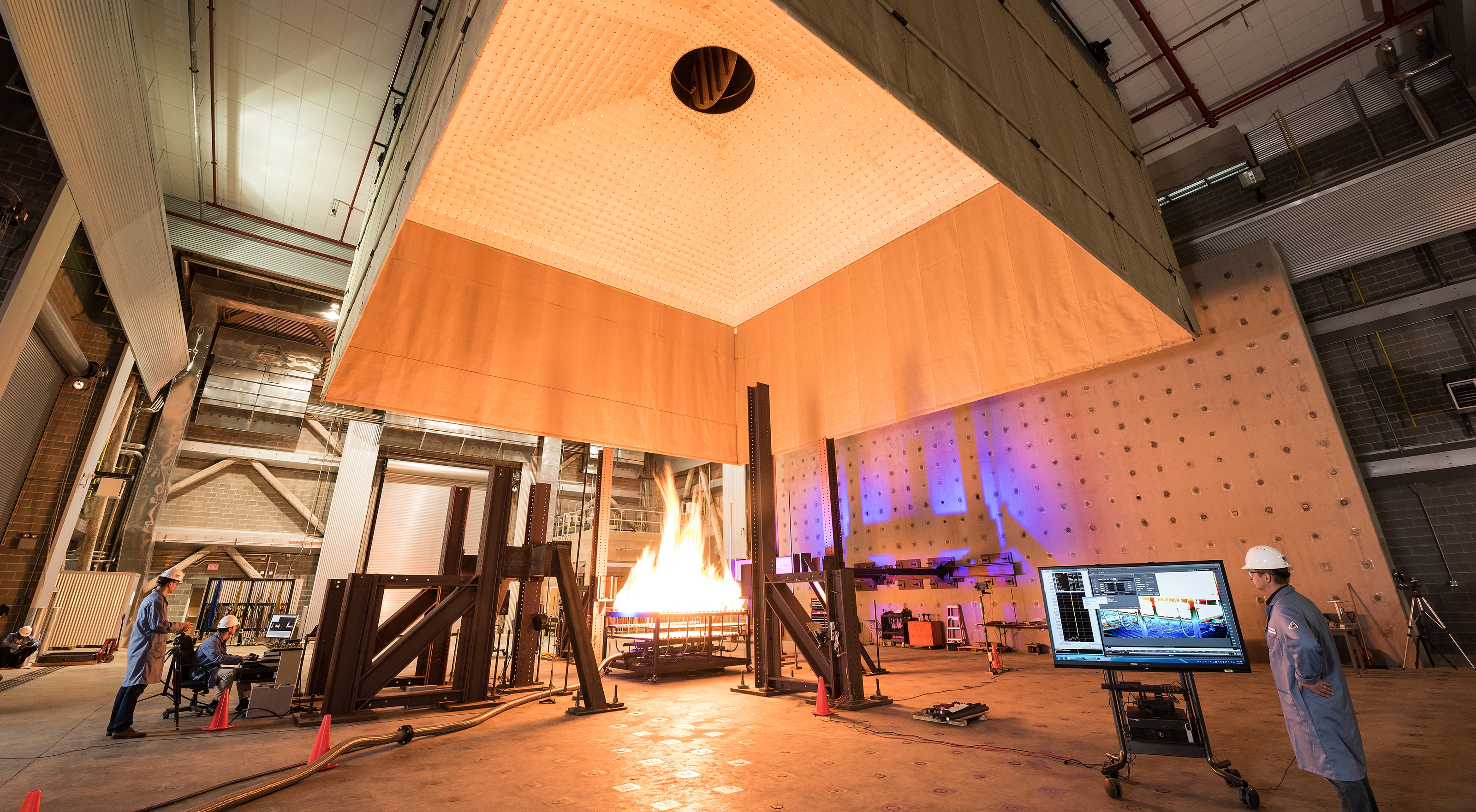
NIST’s June 4, 2026 account described Safe Step, a reinforcement-learning model for single-storey fire-evacuation routes. It selected paths to reduce cumulative toxic-gas exposure, rather than simply choosing the shortest route. [1]
An earlier NIST technical-note page describes FD-Gen: it samples fire parameters to produce many simulator inputs. Such synthetic scenarios supply conditions a model can rehearse, rather than observations of successful evacuations. [2]
Multilevel layouts and interacting evacuees remained future work. Deployment would require sensors, reliability tests, regulatory approval and system integration. These were simulation results, not an operational evacuation service. [1]
The source
- NIST: Safe Step simulation ↗
Source date 2026-06-04 · reviewed October 30, 2026 · June4 research account. - NIST: Fire-data generation ↗
Source date 2025-03-06 · reviewed October 30, 2026 · March 2025 technical-note landing page; linkedPDF not read.
About this item: Retrospective report. No first-hand reporting or independent testing is claimed. Corrections policy.