
New U.S. pedestrian-protection results look beyond the people inside a car
NHTSA’s 2027-model assessment adds impact tests for people outside vehicles, alongside separate crash and driver-assistance measures.
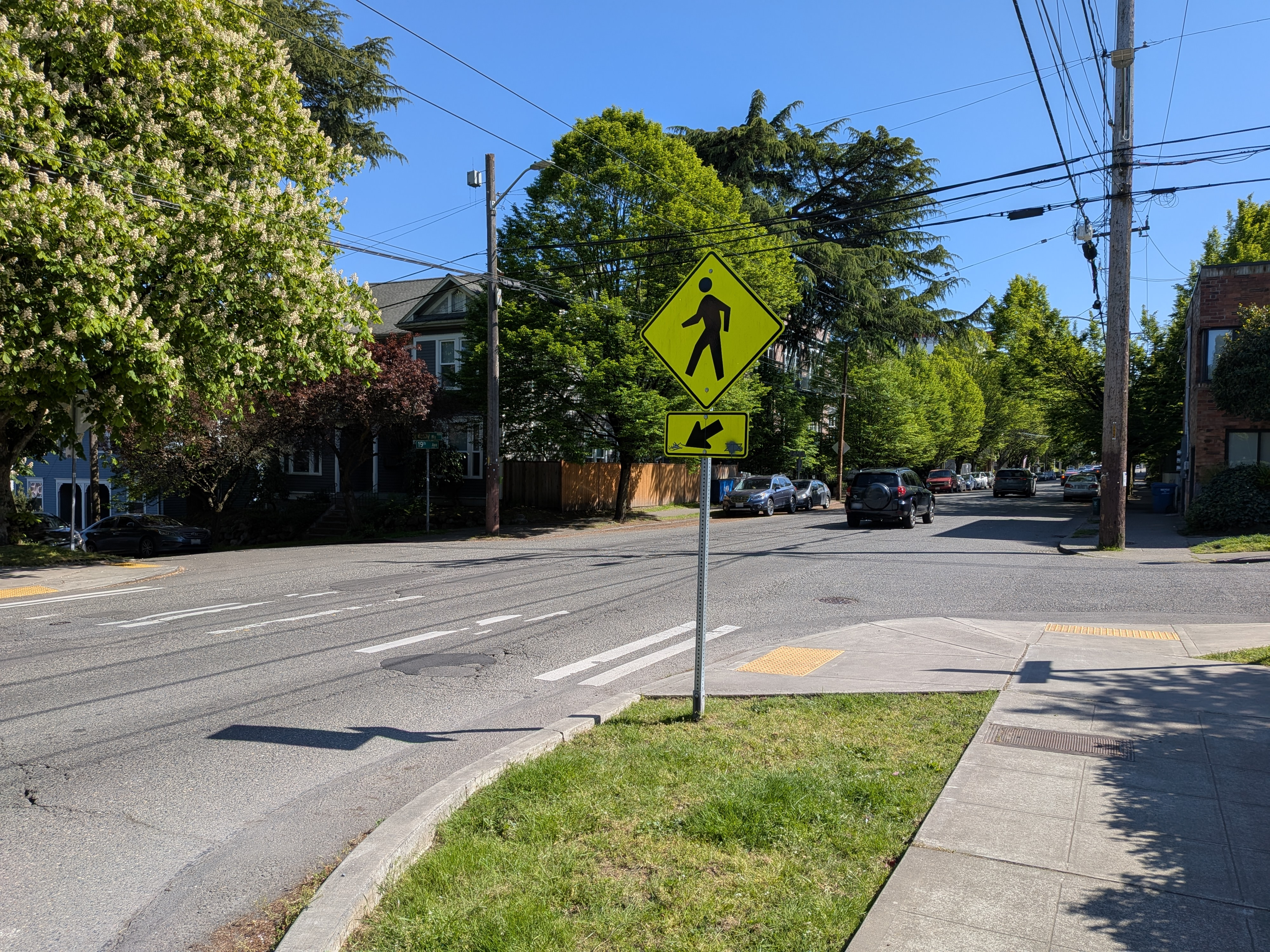
NHTSA released its first pedestrian-protection results for model-year 2027 vehicles on September 18, 2026. The agency said 102 vehicle models from 10 manufacturers met the new performance criteria in that inaugural round. [1]
The assessment examines how a vehicle’s front structure can affect a person struck in a collision. NHTSA describes tests involving child and adult headforms at the hood and windshield, an upper-leg impact at the hood’s leading edge, and a lower-limb impact at the bumper. [1]
That is different from a driver-assistance test that asks whether a vehicle can detect a pedestrian and brake before a collision. The new impact assessment addresses potential injury after contact; the agency lists pedestrian automatic emergency braking separately among crash-avoidance technologies. [2]
On October 15, NHTSA separately selected 18 model-year 2027 vehicles for pedestrian-protection verification testing and 10 vehicles for driver-assistance testing. Selection for a future test is not itself a passing result, and the lists do not make every configuration equivalent. [2]
Buyers can use NHTSA’s ratings search to compare vehicles and find the safety information available for an individual model. The September aggregate describes a group of vehicles; it is not a guarantee that every vehicle has been tested or passed. [3]
Sources and verification
- National Highway Traffic Safety Administration: NHTSA pedestrian safety results for 2027 vehicles ↗
Published September 18, 2026 · reviewed October 28, 2026 - National Highway Traffic Safety Administration: NHTSA 2027 vehicle testing selections ↗
Published October 15, 2026 · reviewed October 28, 2026 - National Highway Traffic Safety Administration: NHTSA vehicle safety ratings lookup ↗
Undated source · reviewed October 28, 2026
No first-hand reporting, independent testing or interviews are claimed. Editorial standards · Corrections policy.