CPB’s dissolution vote left separate questions about service
Retrospective: the January decision followed rescinded appropriations; later records show one part of its institutional legacy survived.
- Event / announcement date
- 2026-01-05
- Earliest linked source date
- 2025-07-24
- NewsTumble first published
- 2026-10-26T22:14:03Z
- NewsTumble updated
- 2026-10-26T22:14:03Z
The Corporation for Public Broadcasting announced on January 5, 2026, that its board had voted to dissolve the nonprofit after 58 years. In its statement, reproduced by Arizona Public Media, CPB described an institution created by Congress in 1967 to steward federal investment in public broadcasting. The decision concerned that funding institution, whose statement separately described locally owned and operated stations. [1]
The financial break preceded the dissolution vote. The Rescissions Act of 2025, approved July 24, canceled the amounts previously provided for CPB for fiscal 2026 and 2027. Its rescissions took effect upon enactment. This was withdrawal of budget authority already approved in earlier laws, a distinction that explains why January’s announcement followed a funding loss rather than initiating it. [2]
CPB said its board chose dissolution because a corporation without resources could not fulfill its responsibilities. It planned to distribute remaining funds. Those were CPB’s explanations and commitments at the time; its statement was not a station-by-station accounting of what audiences would continue to receive. [1]
PBS responded on January 7 by promising to maintain service and build on CPB’s legacy. That response establishes the broadcaster’s stated intention, not a completed assessment of local budgets or programming. The distinction matters for an audience member: the closing of a funding institution and the continued availability of a particular station are questions requiring different evidence. [3]
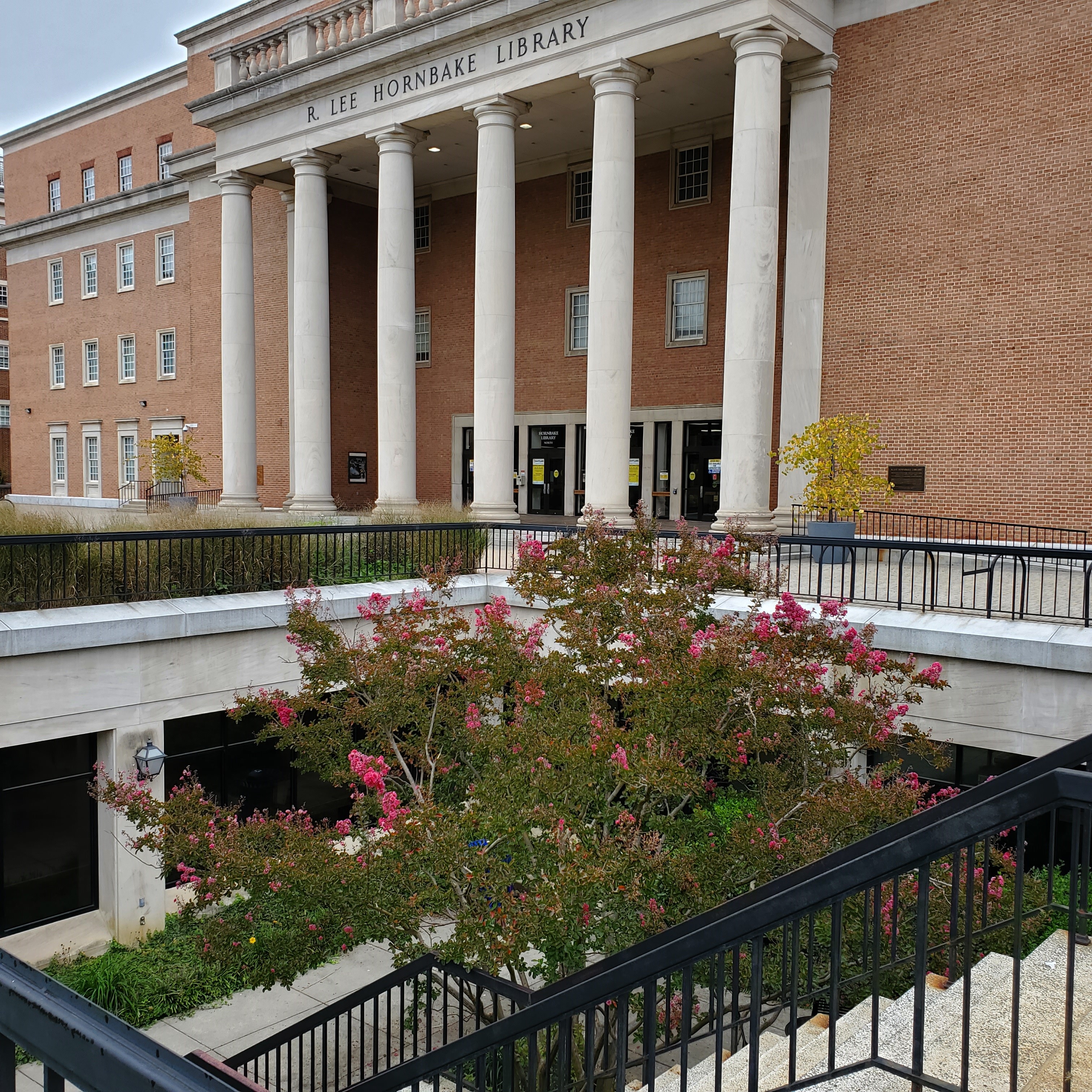
A later, concrete piece of follow-through concerned the records. On March 3, the University of Maryland said 40 boxes and hard drives had arrived at Hornbake Library in February, covering CPB’s final two decades. The university already held materials through 2005. The new delivery included internal emails, legislative material and reports sent to the Education Department. [4]
Preservation carried a different timetable from the corporate decision. Maryland said library staff would organize the collection for researchers; delivery did not establish that every item was immediately searchable online. The saved administrative record offers a way to study how the institution worked. It does not by itself resolve how communities will finance future broadcasting. [4]
The source
- CPB via AZPM: CPB Board Votes to Dissolve Organization to Safeguard Future of Public Media ↗
Source published 2026-01-05 · reviewed October 26, 2026 · CPB statement dated January 5; AZPM page modified January 6, 2026. - U.S. Government Publishing Office: Rescissions Act of 2025 ↗
Source published 2025-07-24 · reviewed October 26, 2026 · Law dated and approved July 24, 2025; online posting date not stated. - PBS: PBS Statement on Corporation for Public Broadcasting’s Vote to Dissolve ↗
Source published 2026-01-07 · reviewed October 26, 2026 - University of Maryland: After the Corporation for Public Broadcasting’s Shutdown, UMD Keeps its History Alive ↗
Source published 2026-03-03 · reviewed October 26, 2026
About this item: Retrospective report. No first-hand reporting or independent testing is claimed. Corrections policy.