Epilepsy study tests a conversation between patients and their monitors
Thirteen hospital patients used a research app; detector improvements and clinical benefits require careful distinction.
- Event / announcement date
- 2026-10-13
- Earliest linked source publication
- 2026-10-13
- NewsTumble first published
- 2026-10-25T21:29:13Z
- NewsTumble updated
- 2026-10-25T21:29:13Z
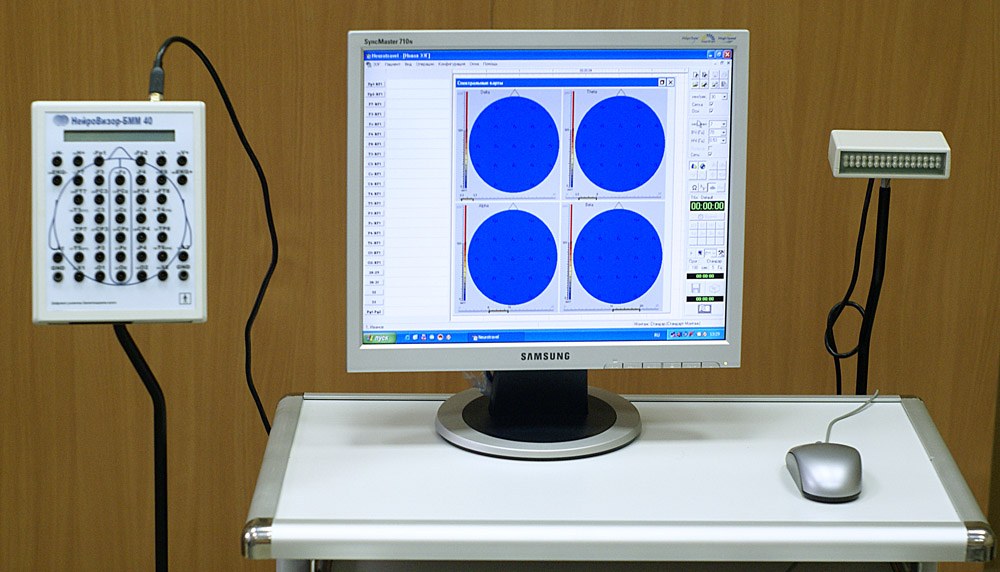
A small University of Pennsylvania study explored whether people undergoing epilepsy monitoring could exchange useful information with the devices recording their brain activity. Thirteen hospital patients used a smartphone interface linked to EEG data, NIH reported on October 13. They could ask about recorded activity and respond to alerts, making monitoring a conversation rather than only a stream for later review. [1]
NIH reports more than 1,300 messages and accurate, relevant answers to over 92% of questions about brain activity. Participants also classified alerts as true, false or uncertain. Those responses supplied labels that could help distinguish seizures from misleading signals. The practical question is whether patient observations can complement the information already captured by sensors. [1]
The Nature Medicine paper adds a consequential distinction: improvement of the seizure detector using patient feedback was evaluated in a pseudoprospective simulation. Its inpatient study examined feasibility and use of the interface. The paper also describes daily human review of interactions and protected computing infrastructure. These safeguards and the hospital environment form part of the conditions under which the findings were obtained. [2]
NIH describes the work as proof of concept and says larger outpatient studies are planned. Reduced false alarms should not be read as evidence that patients had fewer seizures or that a home version is ready. Establishing usefulness outside a monitored unit will require further testing. The report offers evidence about communication and detection, without establishing a treatment benefit or a reason to change individual care. [1]
The source
- National Institutes of Health: Patients engage with epilepsy monitor in real time, improving seizure detection ↗
Source published 2026-10-13 · reviewed 2026-10-25 - Nature Medicine: Human–artificial intelligence collaboration for comanaging epilepsy in real time ↗
Source published 2026-10-13 · reviewed 2026-10-25
About this item: Retrospective source brief. No first-hand reporting or independent testing is claimed. Corrections policy.