
Why connected-car security extends beyond the dashboard
Prepared NHTSA remarks examine the connections among infotainment, cloud services and aftermarket hardware.
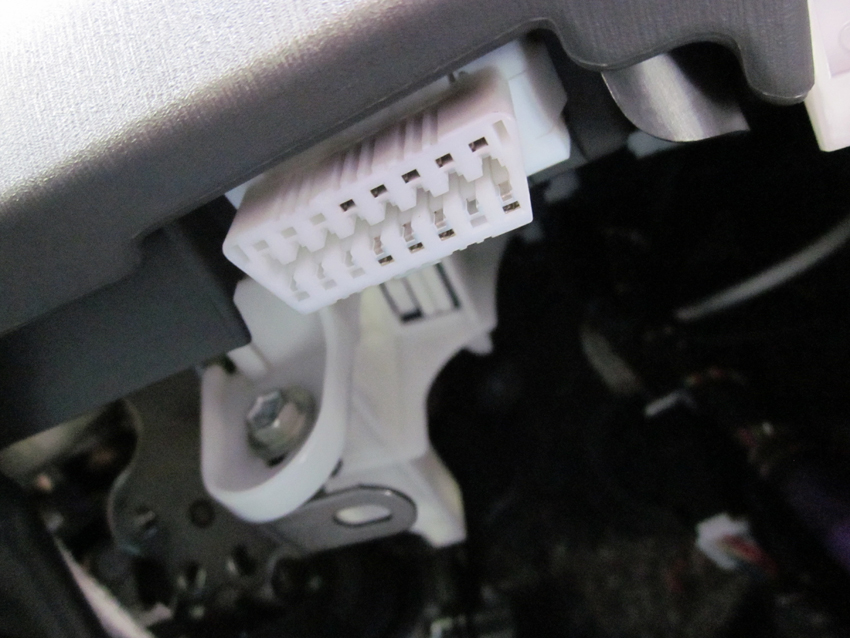
In remarks prepared for an October 7, 2026 automotive cybersecurity summit, NHTSA discussed threats involving vehicle infotainment, cloud services and devices installed after a car leaves the factory. [1]
The agency’s separate cybersecurity overview recommends layered protection at both wired and wireless entry points. Its approach includes protecting safety-critical controls and responding quickly to incidents; a connection alone does not establish that a particular vehicle has been compromised. [2]
The prepared remarks recalled a 2015 research demonstration in which a Jeep’s connected dashboard was exploited to reach internal networks. NHTSA presented it as historical evidence of why system boundaries matter, not a new attack. [1]
NHTSA also described research into aftermarket anti-theft devices and urged authentication and limited access for third-party connections. Such findings concern particular hardware and deployments; the accompanying photograph shows a generic diagnostic socket, not the researched device. [1]
The agency’s overview calls for timely detection and rapid response. Owners can keep track of connected accessories and consult the manufacturer or installer about documented updates without removing unfamiliar wiring or disabling safety equipment. [2]
Sources and verification
- National Highway Traffic Safety Administration: Auto-ISAC cybersecurity summit keynote, as prepared ↗
Published October 7, 2026 · reviewed October 28, 2026 - National Highway Traffic Safety Administration: Vehicle cybersecurity research and protection methods ↗
Undated source · reviewed October 28, 2026
No first-hand reporting, independent testing or interviews are claimed. Editorial standards · Corrections policy.