NIST completed fingerprint annotations and broadened access to quality software
The March release paired a laboratory dataset with a tool that scores print quality, not identity.
- Event / announcement date
- 2026-03-23
- Earliest linked source date
- 2026-03-23
- NewsTumble first published
- 2026-10-25T22:14:43Z
- NewsTumble updated
- 2026-10-25T22:14:43Z
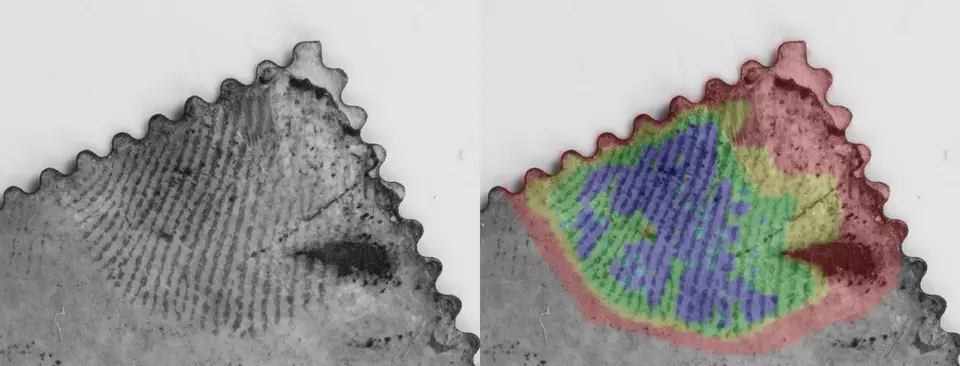
NIST announced a completed set of fingerprint annotations and open-source quality-assessment software on March 23, 2026. Its Special Database 302 contains about 10,000 print images. Expert markings completed the annotations in a resource first released in 2019. [1]
The prints came from 200 consenting volunteers working in a laboratory, where they handled objects and left impressions that researchers recovered with forensic methods. Names and other identifying information were removed. That controlled collection should not be described as a sample gathered from 10,000 criminal cases. [1]
The annotations identify regions with differing amounts of usable detail, including clear ridges and smudged areas. They support training for examiners and machine-learning systems. Completing the annotations expands the training material; it does not establish an error-free method of identifying a person. [1]
The accompanying OpenLQM software adapts a tool previously restricted to U.S. law enforcement. NIST funded versions for Mac, Windows and Linux and made the software openly available. Its zero-to-100 output assesses fingerprint quality, helping prioritize examination; that number is not a probability that two prints identify the same individual. [1]
The source
- National Institute of Standards and Technology: NIST Helps Fingerprint Examiners With New Data and Software Release ↗
Source published 2026-03-23 · reviewed 2026-10-25
About this item: Retrospective source brief. No first-hand reporting or independent testing is claimed. Corrections policy.