NIST’s December guidance addressed smart speakers inside home telehealth systems
The finalized guidelines considered privacy and network risks across the connection from home to hospital.
- Event / announcement date
- 2025-12-17
- Earliest linked source date
- 2025-12-17
- NewsTumble first published
- 2026-10-25T22:14:43Z
- NewsTumble updated
- 2026-10-25T22:14:43Z
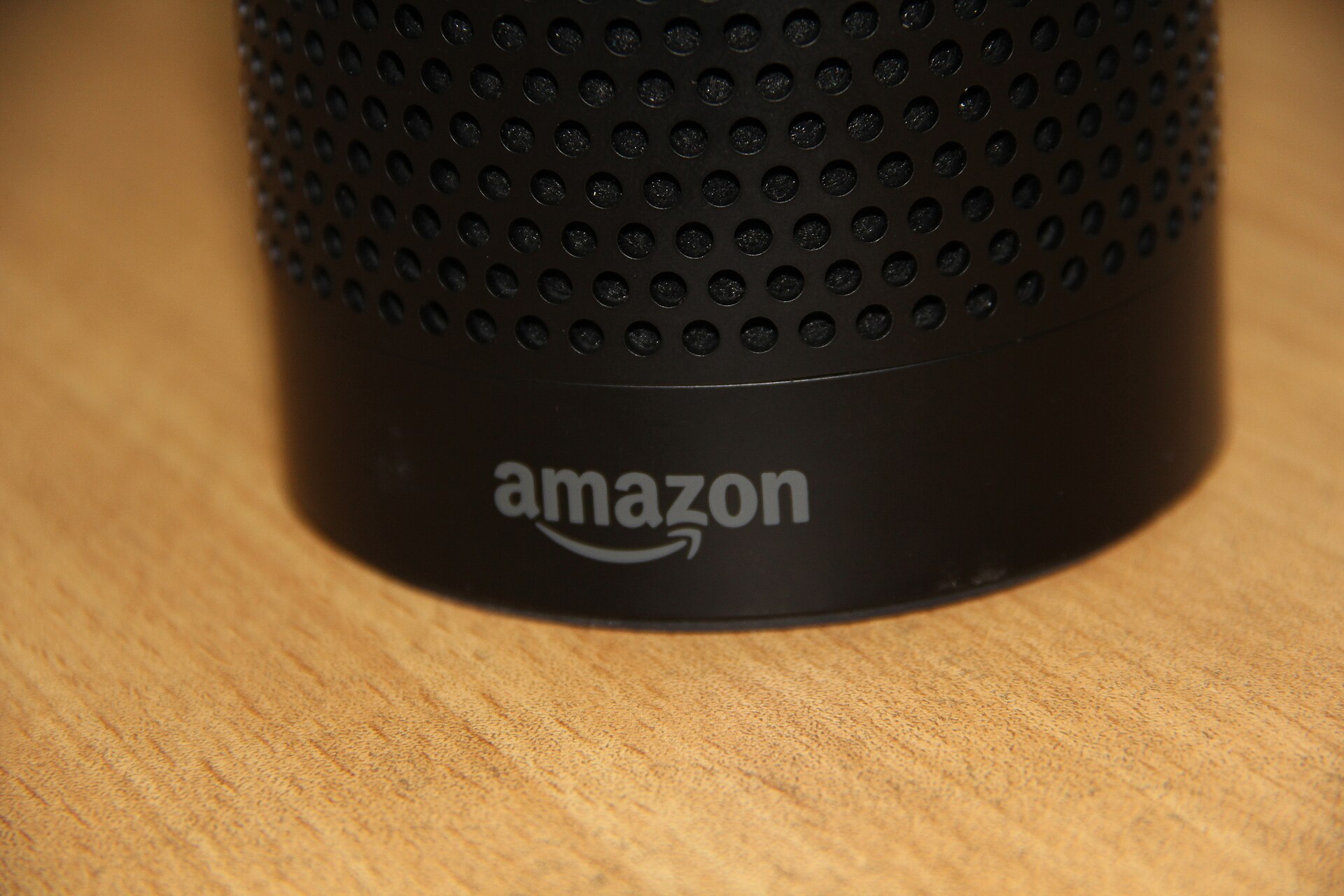
NIST released finalized guidance on December 17, 2025, for managing cybersecurity and privacy risks when smart-home devices support telehealth. Voice assistants can connect patients with hospital systems. The publication addressed security architecture, rather than testing whether a particular speaker improves clinical outcomes. [1]
The risk extends beyond the device. Processing a spoken request can send a recording to an assistant platform, creating another point where confidential information may be exposed. NIST considered home networks, connected medical equipment and the systems used to reach health-care providers together. [1]
Its threat scenarios included stealing unencrypted data, manipulating patient information, disrupting service and gaining unauthorized access through a home network or device. The agency emphasized that consumer speakers may lack capabilities needed for recommended protection practices. Their presence can create an entry point into a larger connected system. [1]
The guidelines describe encrypted messages, restricted access and segmentation between medical devices and other network components. The intended audience is security professionals. These mitigations are presented as ways to reduce risk, not a guarantee of security for a voice-enabled hospital-at-home program. [1]
The source
- National Institute of Standards and Technology: Securing Smart Speakers for Home Health Care: NIST Offers New Guidelines ↗
Source published 2025-12-17 · reviewed 2026-10-25
About this item: Retrospective source brief. No first-hand reporting or independent testing is claimed. Corrections policy.