Bost opened a candidate’s court challenge without deciding ballot legality
Retrospective: January’s standing ruling concerned access to court; a separate June decision supplies important later context on ballot receipt.
- Event / announcement date
- 2026-01-14
- Earliest linked source date
- 2026-01-14
- NewsTumble first published
- 2026-10-26T20:52:39Z
- NewsTumble updated
- 2026-10-26T20:52:39Z
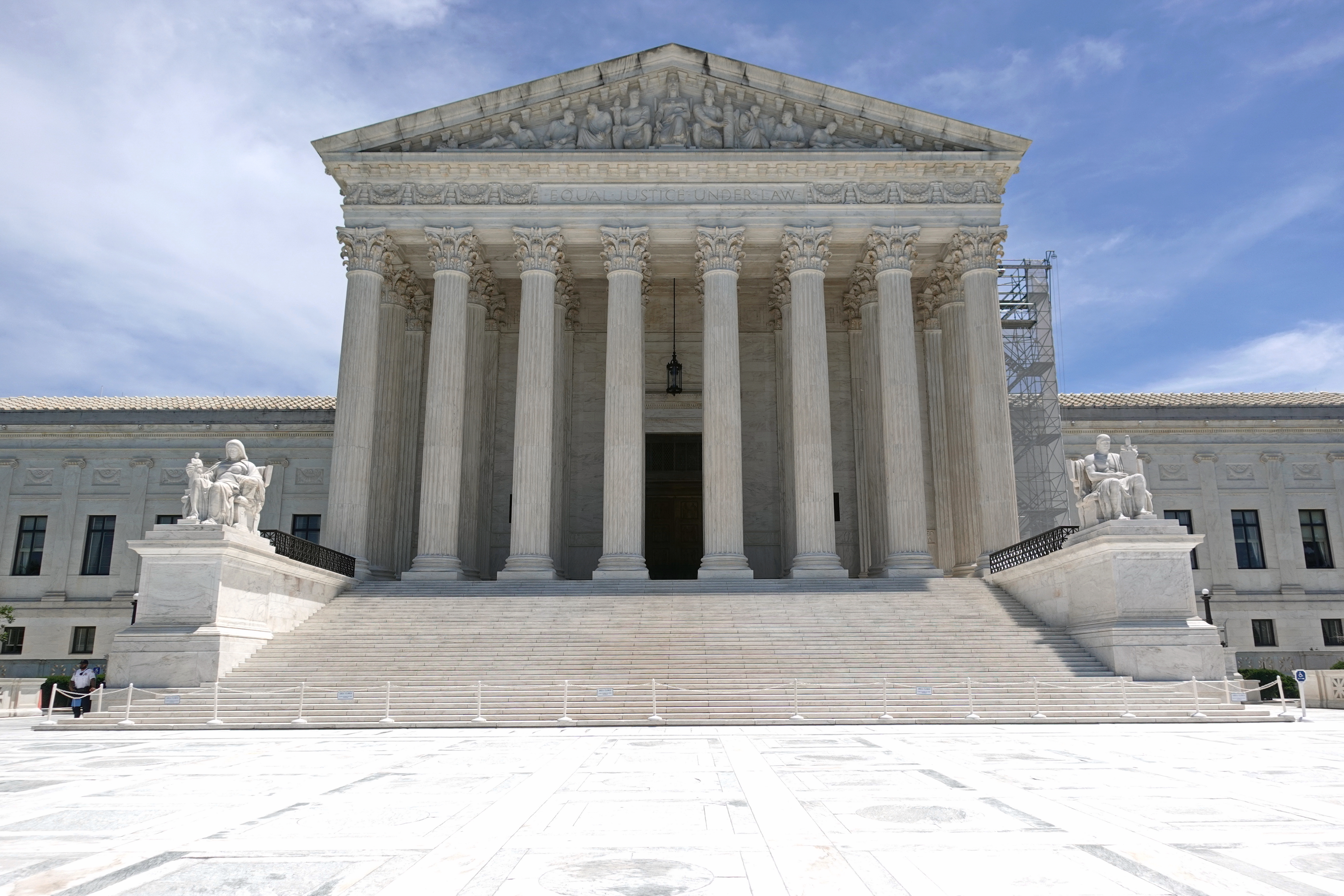
The Supreme Court’s January 14, 2026 Bost decision allowed a candidate’s challenge to Illinois vote-counting rules to proceed. Seven justices agreed that Congressman Michael Bost had standing, although they divided over why. The ruling did not decide whether the challenged ballots were lawful. [1]
Chief Justice John Roberts’s five-justice opinion recognized candidates’ personal stake in the rules governing vote counting without requiring proof that the rule would cost them victory. The case returned to the lower courts. The Illinois rule described in the opinion covered timely postmarked ballots received within two weeks after election day. [1]
Justice Amy Coney Barrett, joined by Justice Elena Kagan, instead relied on alleged campaign monitoring costs. Justice Ketanji Brown Jackson, joined by Justice Sonia Sotomayor, dissented, arguing that candidates should meet ordinary actual-injury requirements. Those positions concerned access to court; they did not establish that Illinois had counted illegal votes. [1]
That procedural distinction has practical consequences. The federal judiciary’s civil-case guide explains that lack of standing can stop a lawsuit because the plaintiff has not shown a connection and harm. Passing that threshold permits litigation; it does not supply the judgment on the disputed law that the plaintiff seeks. [2]
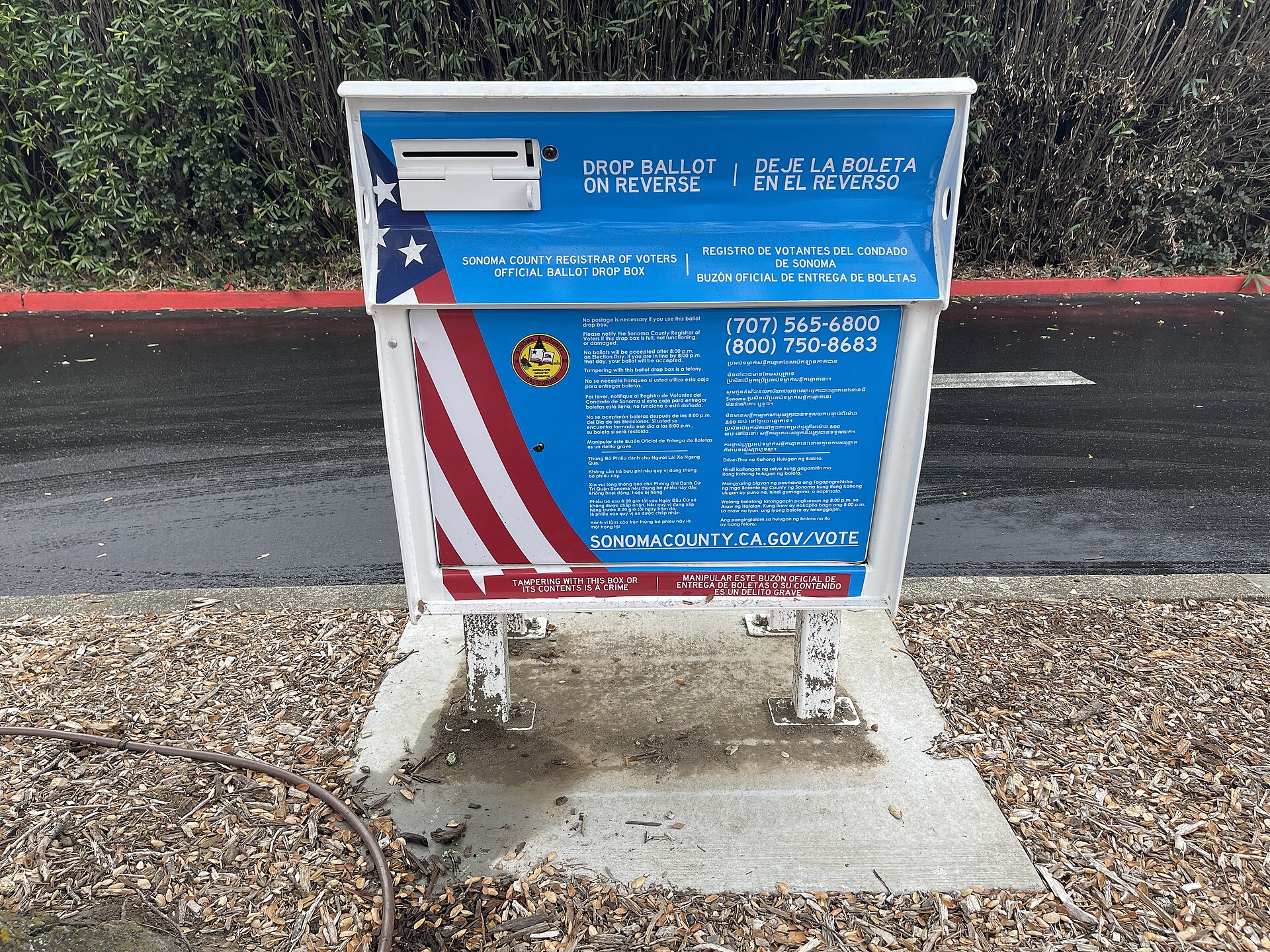
Later history matters to reading the January dispute. On June 29, in the separate Watson case, a five-justice majority held that federal election-day statutes did not bar Mississippi from counting absentee ballots postmarked by election day and received within its later receipt window. Justice Barrett wrote the majority; Justice Samuel Alito dissented. [3]
Watson distinguished the voter’s timely choice from the later arrival of the ballot. It was not a uniform nationwide mailing deadline. These two historical decisions answer different questions—who can bring a challenge and what the cited federal statutes require. They should not be used as current instructions for a particular voter’s deadline. [3]
The source
- Supreme Court of the United States: Bost standing opinion, concurrence and dissent ↗
Source published 2026-01-14 · reviewed October 26, 2026 - Administrative Office of the U.S. Courts: Civil-case process guide ↗
Undated reference · reviewed October 26, 2026 · No publication date is given for this context page. Retrieval time and historical dates are not page-publication dates. - Supreme Court of the United States: Watson ballot-receipt opinion and dissent ↗
Source published 2026-06-29 · reviewed October 26, 2026
About this item: Retrospective report. No first-hand reporting or independent testing is claimed. Corrections policy.