The Callais ruling changed the test behind Louisiana’s map dispute
The April decision tied a districting challenge to competing readings of voting-rights protections, followed by a narrowly described election suspension.
- Event / announcement date
- 2026-04-29
- Earliest linked source date
- 2026-04-29
- NewsTumble first published
- 2026-10-26T22:14:03Z
- NewsTumble updated
- 2026-10-26T22:14:03Z
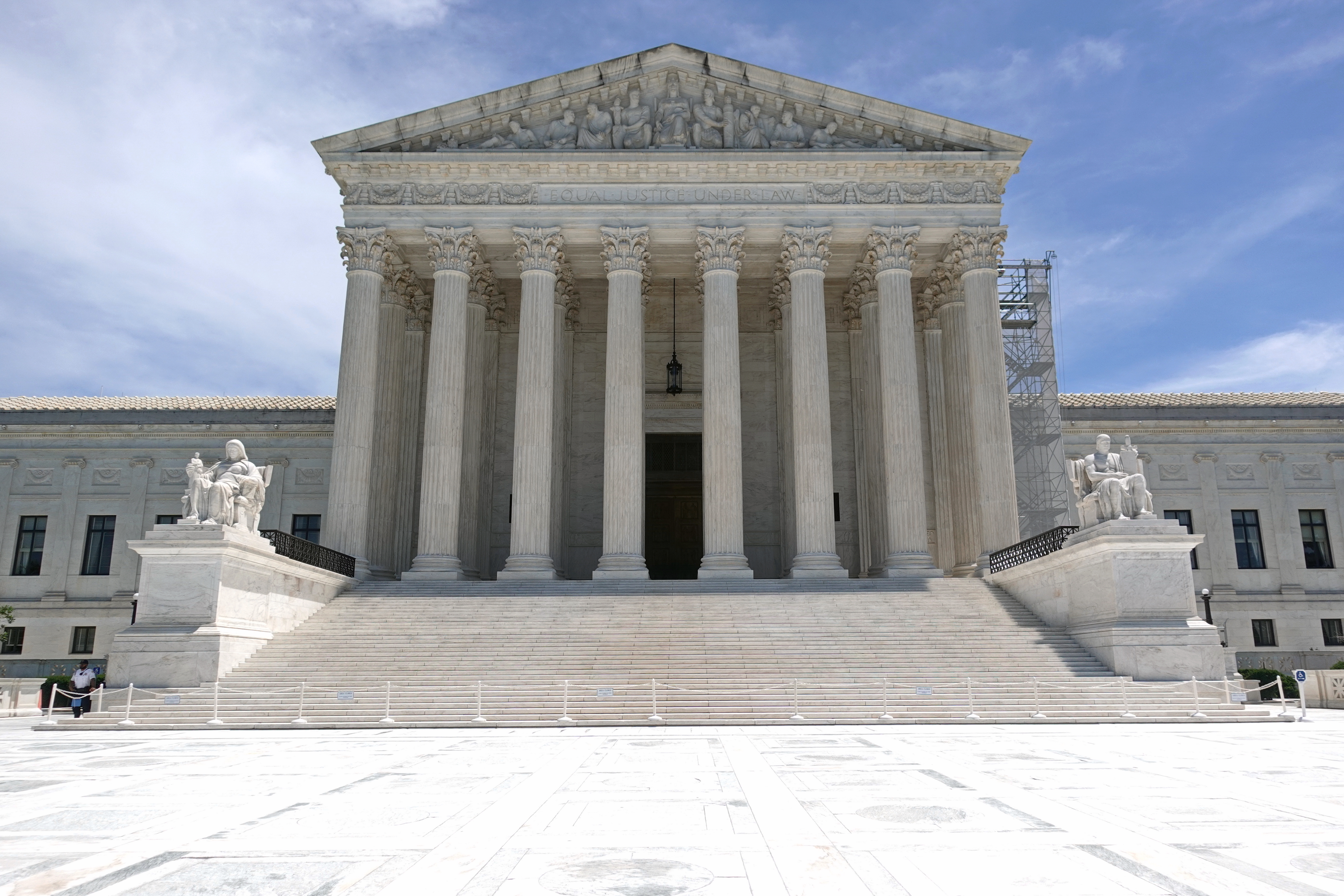
Historical report — On April 29, 2026, the Supreme Court ruled 6–3 that Louisiana’s SB8 congressional map was an unconstitutional racial gerrymander. The majority said Section 2 of the Voting Rights Act did not require the additional majority-minority district, so it supplied no compelling justification for that use of race. [1]
Justice Samuel Alito’s majority opinion required evidence supporting a strong inference of intentional discrimination for Section 2 liability in districting. Justice Elena Kagan’s dissent, joined by Justices Sonia Sotomayor and Ketanji Brown Jackson, argued that Congress had chosen a results test in 1982 because proving discriminatory motive was too difficult. [1]
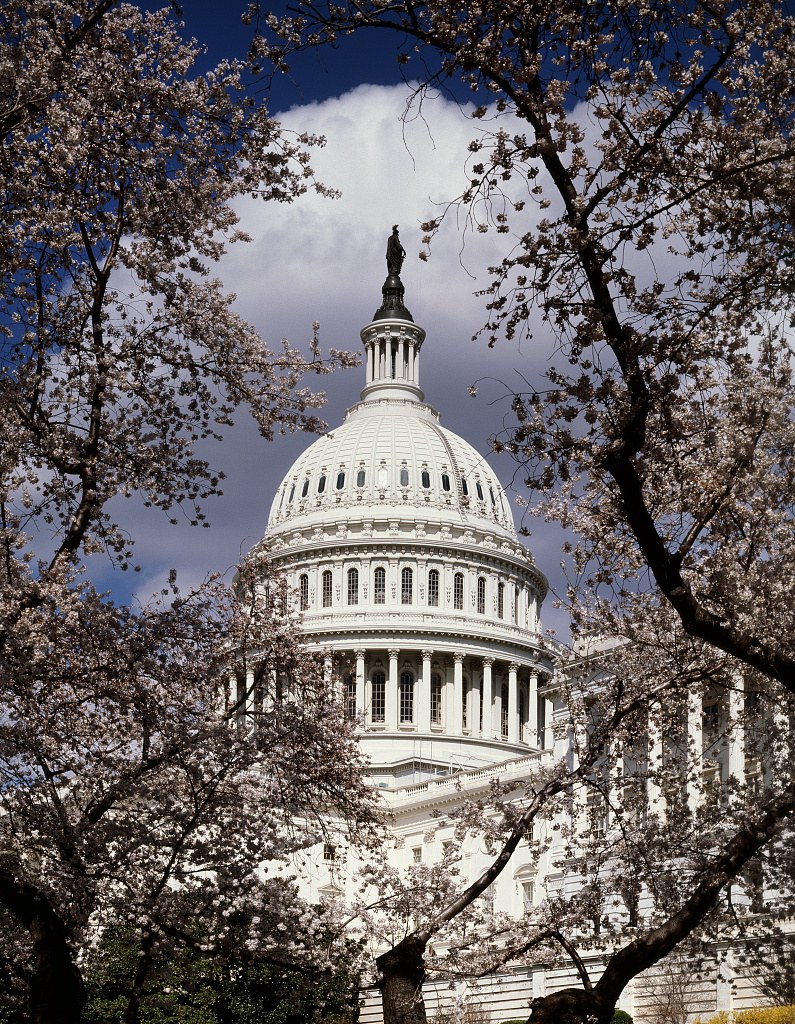
The historical distinction is consequential. A Justice Department explanation last updated in April 2023 described Congress’s 1982 amendment as allowing a violation to be established through discriminatory results under the totality of local electoral circumstances. It identified such considerations as racially polarized voting and a history of official voting discrimination. That page records the earlier framework; it predates Callais and cannot be used as a complete account of the test after the ruling. [2]
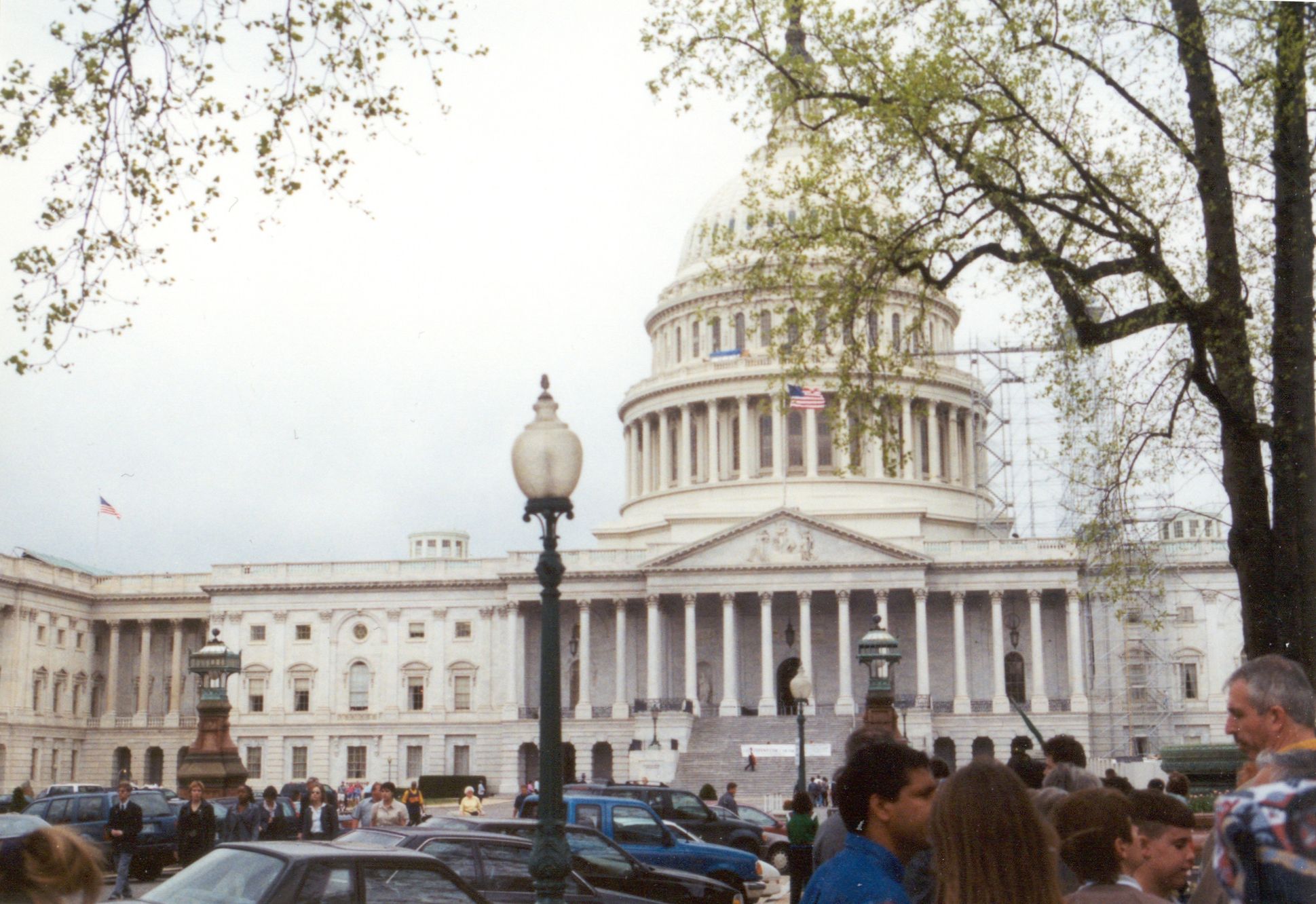
The map itself was more concrete than a statement about representation. Louisiana’s enrolled 2024 Act 2 divided the state into six congressional districts, each electing one U.S. representative, and specified their component parishes and precincts. Those geographic assignments determine which voters share a congressional election. Reading the enrolled boundaries alongside the litigation identifies the actual electoral structure at issue, rather than reducing the dispute to the number of seats alone. [3]
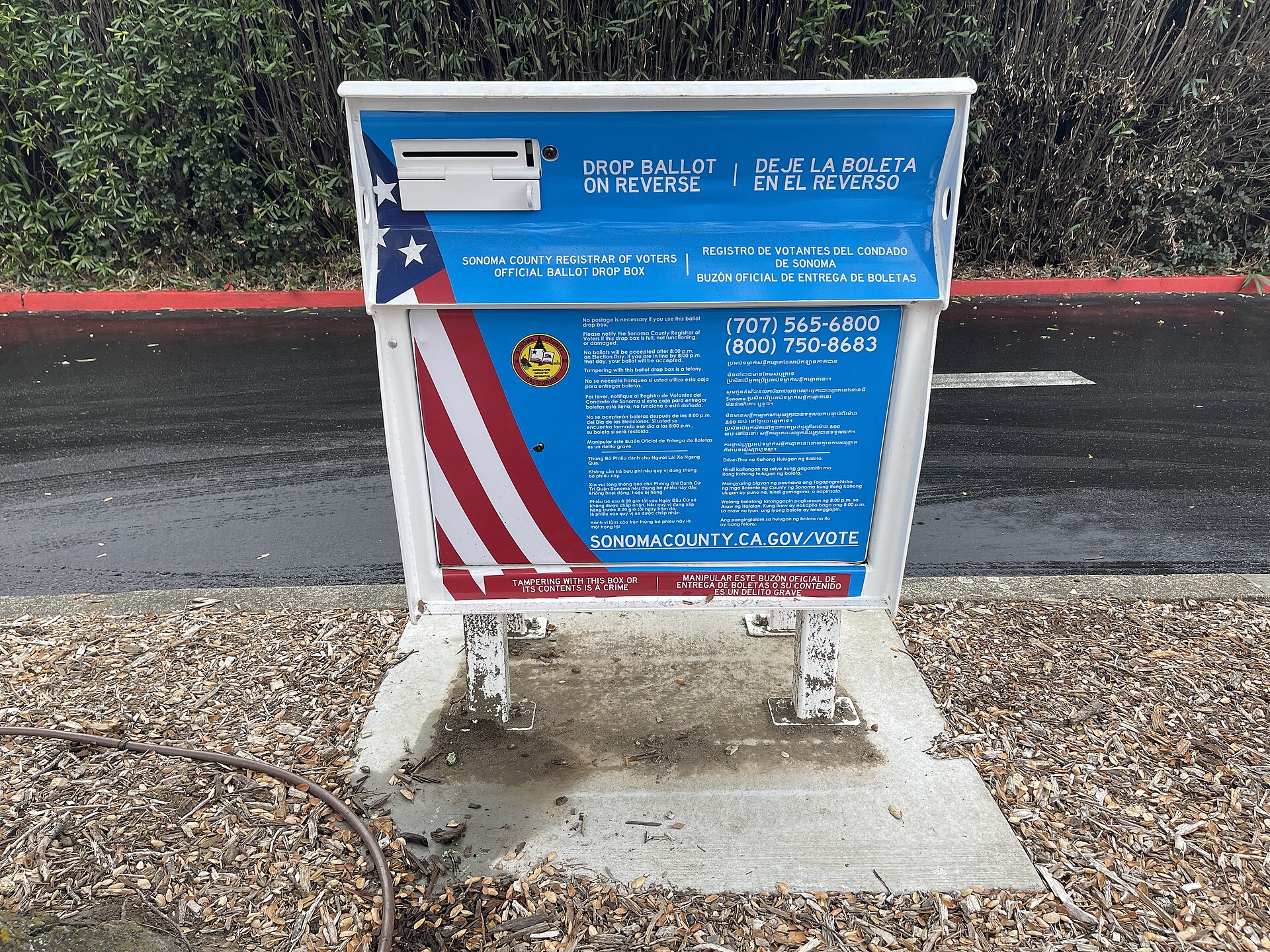
The next day, Governor Jeff Landry’s office announced suspension of the closed U.S. House primaries previously scheduled for May 16 and June 27, 2026. Its April 30 notice explicitly said the May 16 contests for other offices and ballot measures would continue. That distinction mattered for anyone reading an announcement about a statewide election emergency: the described suspension applied to House races, and the notice did not describe a cancellation of every election. [4]
These were historical announcements about those scheduled contests. The April 30 notice alone cannot establish the voting calendar or district assignment applicable to a later election. [4]
The source
- Supreme Court of the United States: Louisiana v. Callais opinion ↗
Source published 2026-04-29 · reviewed October 26, 2026 - U.S. Department of Justice: Section 2 of the Voting Rights Act ↗
Undated reference · reviewed October 26, 2026 · No publication date is given on the source. The displayed revision date is not evidence of first publication. The page displays Updated April 5, 2023. Used as historical pre-Callais context only. - Louisiana Legislature: 2024 First Extraordinary Session Act 2 / SB8 ↗
Undated reference · reviewed October 26, 2026 · No publication date is given. This enrolled 2024 Act 2 specifies effective dates, which are not a publication date. - Office of Governor Jeff Landry: Suspension of U.S. House primary elections after ruling ↗
Source published 2026-04-30 · reviewed October 26, 2026 · The governor’s notice is dated April 30, 2026; these scheduled contests are historical.
About this item: Retrospective report. No first-hand reporting or independent testing is claimed. Corrections policy.