Location privacy and a warrant are separate questions
Chatrie’s June ruling did not decide every geofence issue.
- Event / announcement date
- 2026-06-29

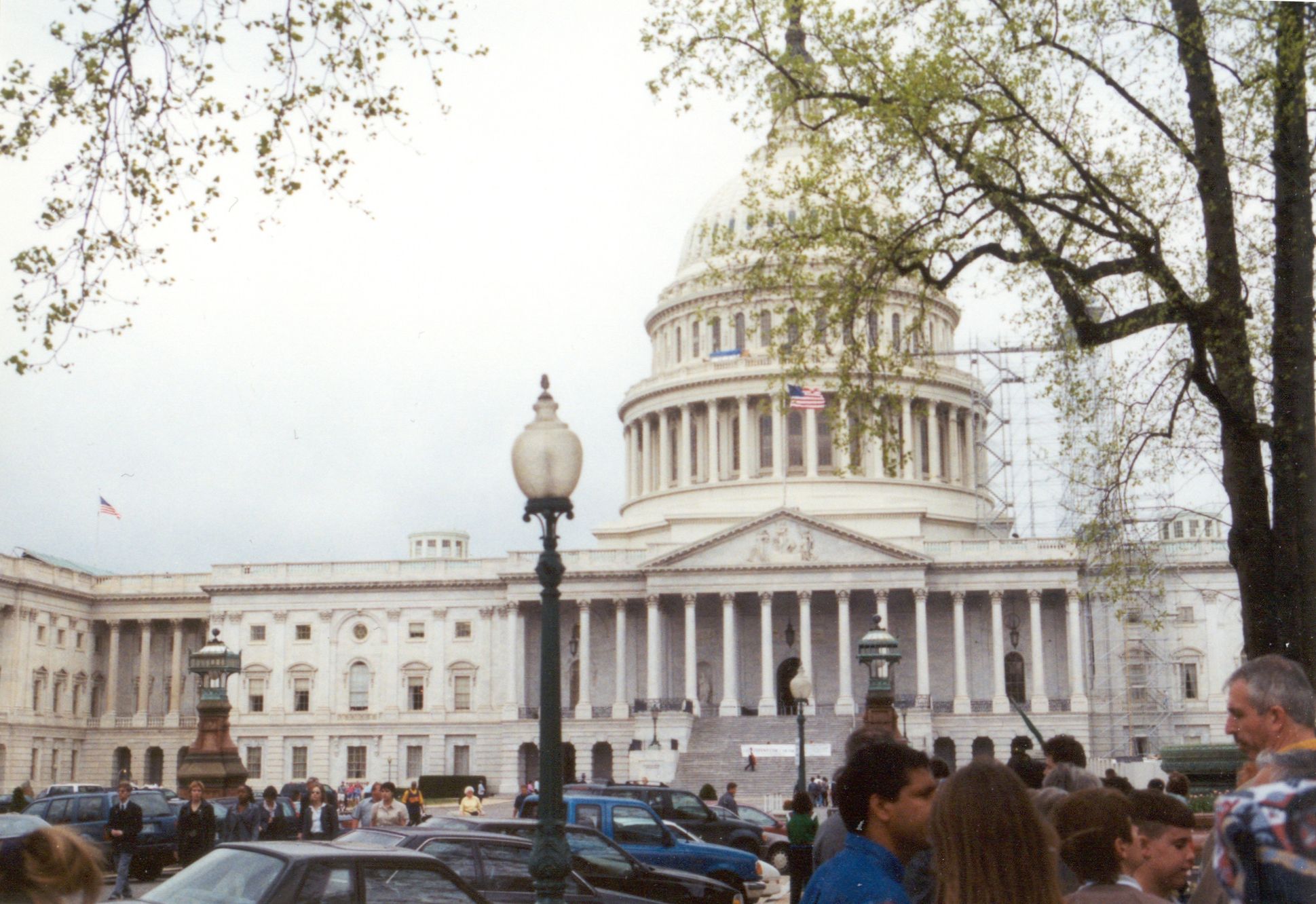
On June 29, the Supreme Court held that police obtaining Okello Chatrie’s Google Location History conducted a Fourth Amendment search. The robbery investigation began with a geographic area, not a named suspect. [1]
Warrant stages moved from anonymized devices to broader movements and identities. The Court left stage-specific probable cause, particularity and the good-faith evidence exception for further consideration. [1]
Google’s current Timeline guide describes a different system: visits and routes stored on eligible devices, with optional encrypted server backup. Timeline is off by default. [2]
Turning it off does not erase existing records; Web & App Activity can still save location information. One switch therefore does not remove every location record. [2]
The source
- U.S. Supreme Court: Chatrie location-data ruling ↗
Source date 2026-06-29 · reviewed October 29, 2026 - Google: Timeline location controls ↗
Undated reference · reviewed October 29, 2026 · This guide is undated; no publication date is given for its original release.
About this item: Retrospective report. No first-hand reporting or independent testing is claimed. Corrections policy.