The tariff ruling separated emergency authority from trade policy
The February decision limited one statute. The administration’s response and customs notice show why its practical effects required separate implementation.
- Event / announcement date
- 2026-02-20
- Earliest linked source date
- 2026-02-20
- NewsTumble first published
- 2026-10-26T22:14:03Z
- NewsTumble updated
- 2026-10-26T22:14:03Z
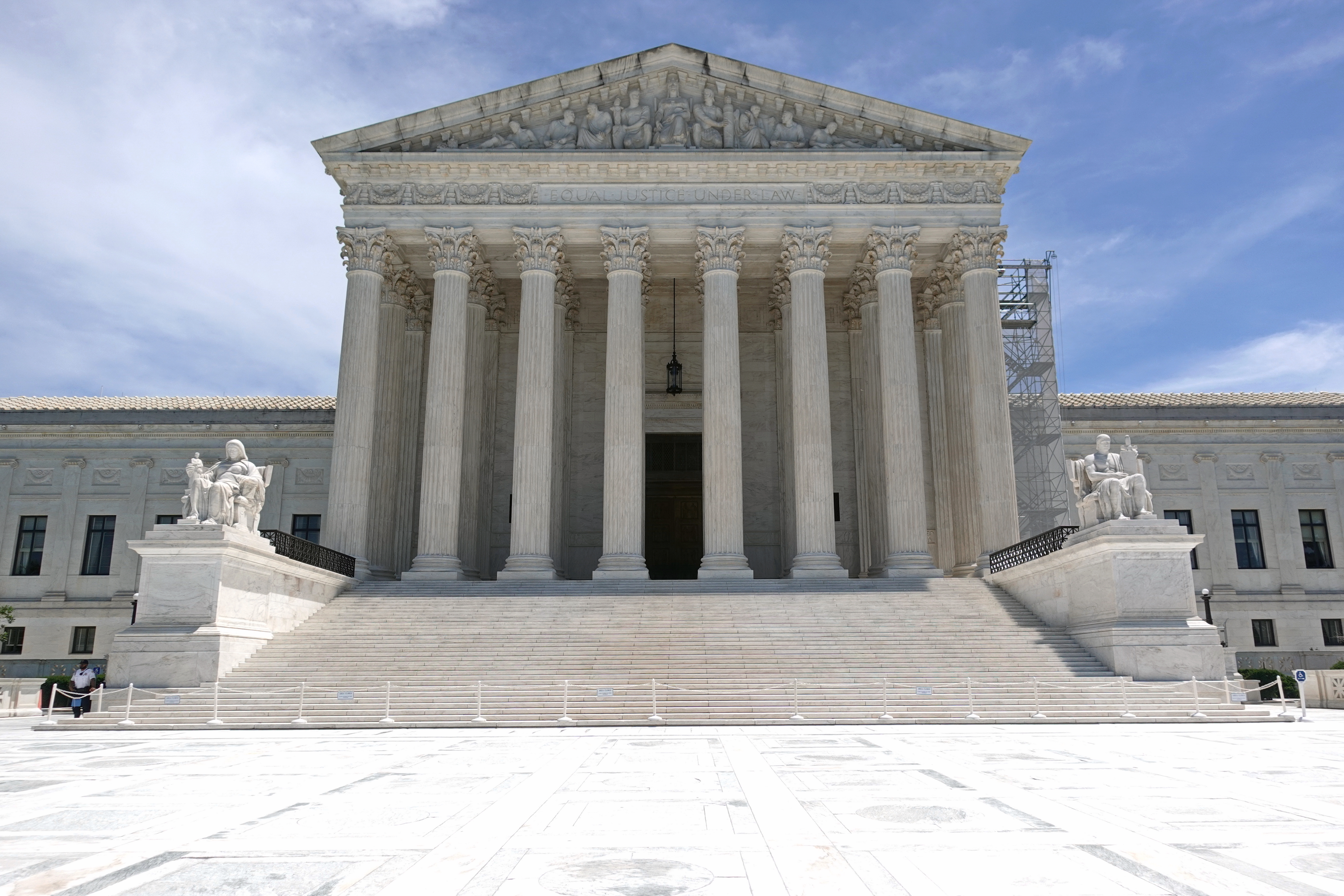
Historical report — On February 20, 2026, the Supreme Court held, by a 6–3 vote, that the International Emergency Economic Powers Act did not authorize presidential tariffs. Learning Resources v. Trump and the related V.O.S. Selections case concerned authority under that emergency statute. [1]
The justices reaching that result differed in reasoning. Justice Elena Kagan’s concurrence relied on ordinary statutory interpretation; Chief Justice John Roberts also invoked the major questions doctrine in a portion joined by two colleagues. Justice Brett Kavanaugh’s dissent read authority to regulate importation as encompassing tariffs. [1]
Article I, Section 8 of the Constitution gives Congress power to collect taxes and duties and to regulate foreign commerce. It also requires duties, imposts and excises to be uniform across the United States. These provisions describe an assignment of public powers; they do not list tariff rates or customs filing procedures. For readers following a trade dispute, the constitutional text supplies a foundation about institutional responsibility, rather than operational instructions for entering goods. [2]
President Donald Trump’s same-day order, Ending Certain Tariff Actions, addressed implementation. It directed that the listed additional IEEPA duties cease to apply and, as soon as practicable, cease being collected. It expressly left duties under Section 232 of the Trade Expansion Act and Section 301 of the Trade Act unaffected. Those named exceptions limit what an importer could infer from this order alone: its removal of one category did not establish that every separate duty on a shipment had disappeared. [3]
Customs and Border Protection’s February 20 bulletin said the agency was examining the decision with other agencies and would supply further information and technical guidance for ACE filers. That notice documented an implementation process still underway when it was issued. It did not provide a completed set of filing steps. For businesses reconciling their records, a court holding, an executive collection directive and a customs-system instruction were different documents answering different questions. [4]
This account reconstructs that February sequence. The initial customs bulletin is insufficient on its own to establish later filing requirements, an individual importer’s refund entitlement or whether a particular payment was returned. [4]
The source
- Supreme Court of the United States: Learning Resources v. Trump opinion ↗
Source published 2026-02-20 · reviewed October 26, 2026 - National Archives: Constitution transcript ↗
Undated reference · reviewed October 26, 2026 · No publication date is given for this reference; retrieval time is not its publication date. - The White House: Executive Order 14389: Ending Certain Tariff Actions ↗
Source published 2026-02-20 · reviewed October 26, 2026 - U.S. Customs and Border Protection: CSMS 67823350 Supreme Court judgment on IEEPA tariffs ↗
Source published 2026-02-20 · reviewed October 26, 2026
About this item: Retrospective report. No first-hand reporting or independent testing is claimed. Corrections policy.