Party-spending ruling changed one campaign-money route and revived a safeguards dispute
Retrospective: the June decision removed coordinated-party caps; its dissent questioned whether other protections could prevent donor circumvention.
- Event / announcement date
- 2026-06-30
- Earliest linked source date
- 2026-06-30
- NewsTumble first published
- 2026-10-26T20:52:39Z
- NewsTumble updated
- 2026-10-26T20:52:39Z
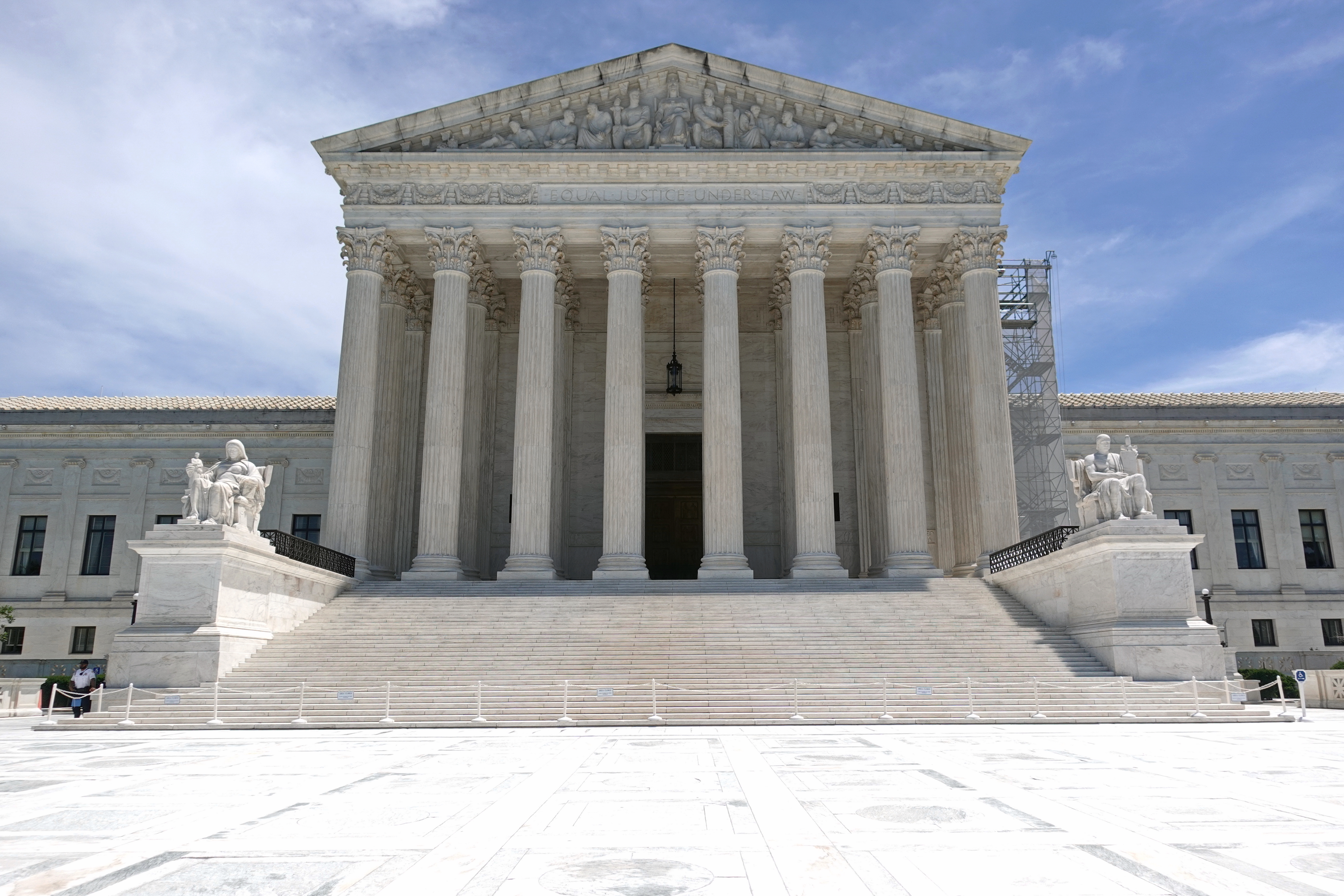
On June 30, 2026, the Supreme Court invalidated federal limits on political-party spending coordinated with candidates. The FEC reported the ruling that day. The decision changes a route for paying campaign expenses, rather than simply increasing the amount someone may give directly to a candidate. [1]
The FEC explains the distinction through who receives the payment: a party can buy goods or services for a candidate, while a check to the candidate committee is a contribution. That difference matters when readers trace campaign money. Coordinated spending can supply something the campaign would otherwise have to purchase. [3]
The six-justice majority overruled Colorado II, the 2001 decision upholding these caps. Justice Brett Kavanaugh’s opinion argued that direct-contribution limits, earmarking restrictions and disclosure provided sufficient protection against donors routing money through parties to evade candidate limits. [2]
Justice Elena Kagan’s dissent, joined by Justices Sonia Sotomayor and Ketanji Brown Jackson, disputed that mechanism. She argued that parties could become conduits for oversized donations by paying candidates’ bills, and that formal earmarking rules would miss less explicit arrangements. This was a disagreement about safeguards against corruption, not a finding that particular new donations were corrupt. [2]
The opinion expressly left outside groups’ coordinated-expenditure limits unaddressed. Its holding should therefore not be expanded into permission for every political organization to coordinate unlimited spending. Nor does the ruling itself establish how much additional money parties subsequently spent. [2]
The FEC guidance now carries an important warning: its older instructions do not yet reflect the decision and await revision when the Commission regains a quorum. Readers comparing a legacy table with the ruling should notice that warning. This retrospective checked the decision and notice, not individual campaigns’ later compliance or spending. [3]
The source
- Federal Election Commission: Party-spending decision notice ↗
Source published 2026-06-30 · reviewed October 26, 2026 - Supreme Court of the United States: NRSC v. FEC opinion and dissent ↗
Source published 2026-06-30 · reviewed October 26, 2026 - Federal Election Commission: Coordinated spending guidance with revision warning ↗
Undated reference · reviewed October 26, 2026 · No publication date is given for this context page. Retrieval time and historical dates are not page-publication dates.
About this item: Retrospective report. No first-hand reporting or independent testing is claimed. Corrections policy.