Sharing an identity credential leaves privacy questions
October’s browser draft addressed mediation, with trust and disclosure still separate concerns.
- Event / announcement date
- 2026-10-20
- Earliest linked source date
- 2025-05-15
- NewsTumble first published
- 2026-10-27T00:48:57Z
- NewsTumble updated
- 2026-10-27T00:48:57Z
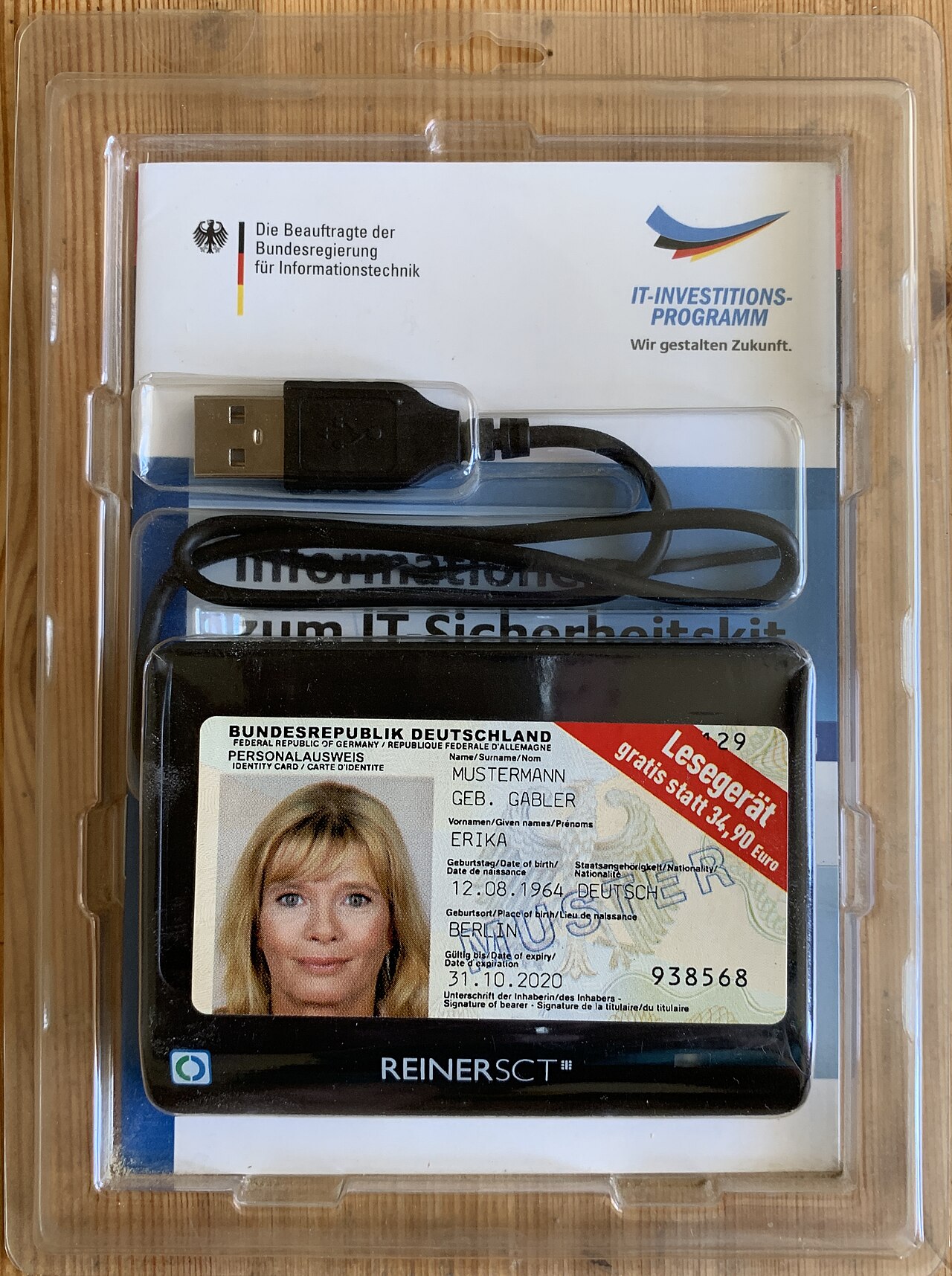
Historical report — W3C’s October 20, 2026 Digital Credentials draft described browser-mediated presentation and issuance of credentials. It remained a Working Draft, without W3C endorsement, rather than a completed standard or universal browser capability. [1]
A separate May 2025 data-model standard distinguished issuers, holders and verifiers: one party made claims, another held credentials, and a recipient checked them. It said verifiers still had to validate claims and choose which issuers to trust. Checking a credential’s authorship did not automatically settle whether its claims were suitable for a particular decision. [2]
W3C’s May 2025 Privacy Principles addressed another layer: minimizing the data requested to carry out a person’s goals and giving people control over what was shared. Those were architectural principles, rather than an audit of every wallet. A request’s information needs remained separate from a credential’s technical authenticity. [3]
On October 20, FIDO Alliance promised wallet-architecture and verifier-identification working documents in the weeks following that announcement. The latter concerned identifying the service requesting information, not just the credential holder. It was a prospective certification framework, not evidence that every wallet or requesting website had passed an assessment. [4]
The browser draft itself warned that long-lived identifiers could enable tracking, even with selective disclosure. Its mediation mechanism did not remove the need to scrutinize unnecessary identity requests. [1]
The source
- W3C Federated Identity Working Group: Digital Credentials ↗
Source published 2026-10-20 · reviewed October 26, 2026 - W3C Verifiable Credentials Working Group: Verifiable Credentials Data Model v2.0 ↗
Source published 2025-05-15 · reviewed October 26, 2026 - W3C: Privacy Principles ↗
Source published 2025-05-15 · reviewed October 26, 2026 - FIDO Alliance: FIDO Alliance Moves to Accelerate Digital Credentials Adoption at Scale ↗
Source published 2026-10-20 · reviewed October 26, 2026
About this item: Retrospective report. No first-hand reporting or independent testing is claimed. Corrections policy.