Google’s orbital AI replies; harder tests await
Suncatcher’s first response leaves cooling and radiation questions open.
- Event / announcement date
- 2026-10-30
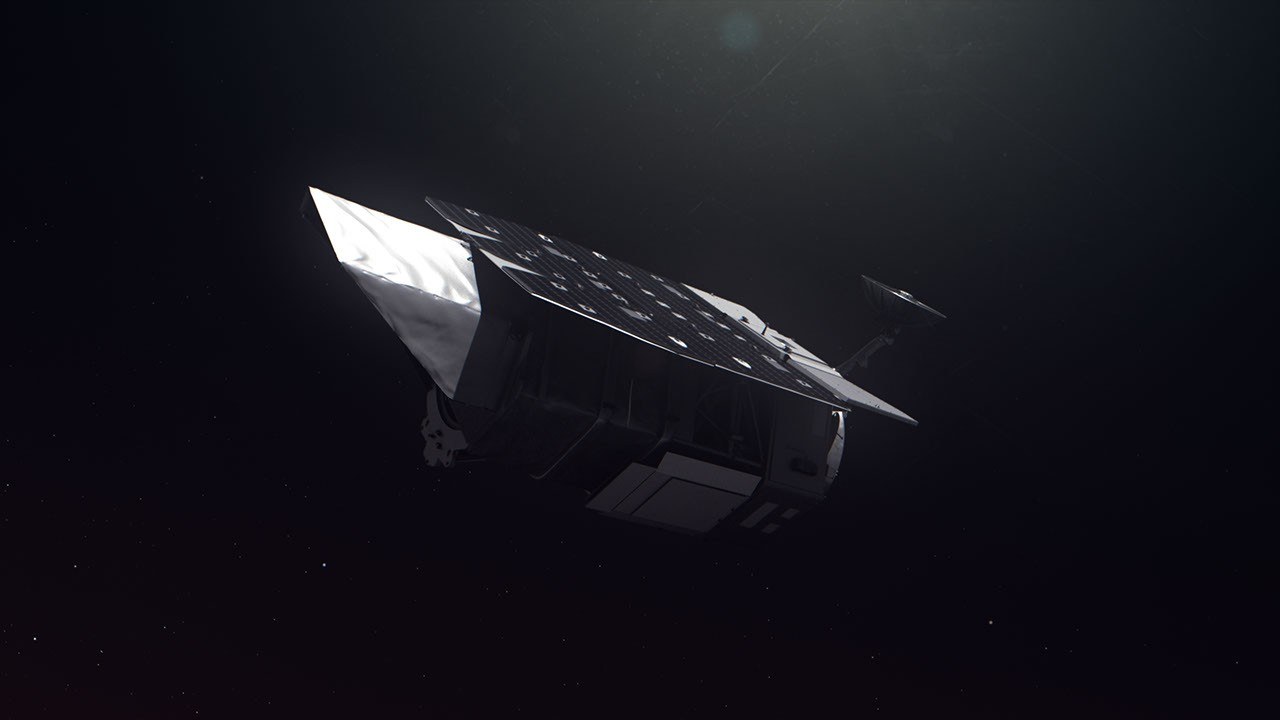
Google says its Suncatcher prototype returned a Gemma 4 response to a ground-station prompt, downlinked over Svalbard. Its October 30 account marks early commissioning after the October 1 launch, rather than demonstrated commercial-scale computing. [1]
The engineering gap is physical: chips produce heat, but vacuum eliminates airflow. Google is testing heat pipes and radiators. Google’s September account described ground vibration, radiation and thermal-vacuum tests; those preparatory results do not establish long-term performance in orbit. [2]
Google plans thermal-stress and radiation-exposure experiments next, with two interconnected satellites targeted for 2027. The response does not establish their reliability or offer consumers a service, price or availability date. [1]
The source
- Google: Suncatcher response ↗
Source date 2026-10-30 · reviewed October 30, 2026 - Google: Suncatcher engineering ↗
Source date 2026-09-24 · reviewed October 30, 2026
About this item: News report. No first-hand reporting or independent testing is claimed. Corrections policy.