Smithsonian reported five cheetah cubs at its Virginia conservation campus
Retrospective: the October 9 announcement described an off-exhibit litter, a public den camera and four living generations.
- Event / announcement date
- 2026-10-05
- Earliest linked source date
- 2026-10-09
- NewsTumble first published
- 2026-10-25T22:31:04Z
- NewsTumble updated
- 2026-10-25T22:31:04Z
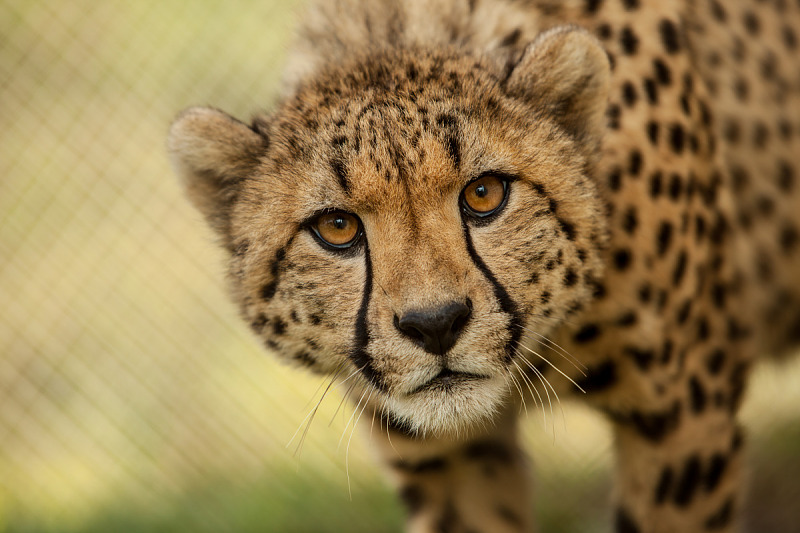
The Smithsonian announced October 9 that five cheetah cubs had been born October 5 at its conservation campus in Front Royal, Virginia. Their mother, Zura, was five years old and caring for her first litter. Keepers reported that the cubs were active and nursing frequently, with Zura attentive to them. [1]
The announcement also directed viewers to a public camera inside the family’s den. The cubs were being raised away from the public exhibits at the National Zoo in Washington. Staff planned to limit direct contact for several weeks so the family could bond. Animals moving outside the den could disappear from the camera’s view. [1] [2]
A separate keeper account identified this as the campus’s 21st cheetah litter since 2007. It also traced the maternal line: Zura was born there in 2021 to Rosalie, who was born there in 2015 to Sanurra. The account said all four generations were then living at the facility. [1] [2]
The Smithsonian described the births within a breeding network of 10 U.S. centers. Breeding decisions consider genetics, health and temperament. The announcement identified the father, nine-year-old Flash, as genetically valuable to the managed North American population. It anticipated a future breeding role for the cubs; that remained a projection about their contribution. [1]
The source
- Smithsonian’s National Zoo and Conservation Biology Institute: Litter of Five Cheetah Cubs Are Born at Smithsonian Conservation Campus; Cheetah Cub Cam Returns ↗
Source published 2026-10-09 · reviewed 2026-10-25 - Smithsonian’s National Zoo and Conservation Biology Institute: The Smithsonian National Zoo's Cheetah Cub Cam Returns — With Five Adorable Reasons to Tune In ↗
Source published 2026-10-09 · reviewed 2026-10-25
About this item: Retrospective source brief. No first-hand reporting or independent testing is claimed. Corrections policy.