PBS’s The American Revolution looked beyond a tidy founding story
The November 2025 documentary treated independence as a lived conflict, while its classroom follow-through asked viewers to examine how history reaches the screen.
- Event / announcement date
- 2025-11-16
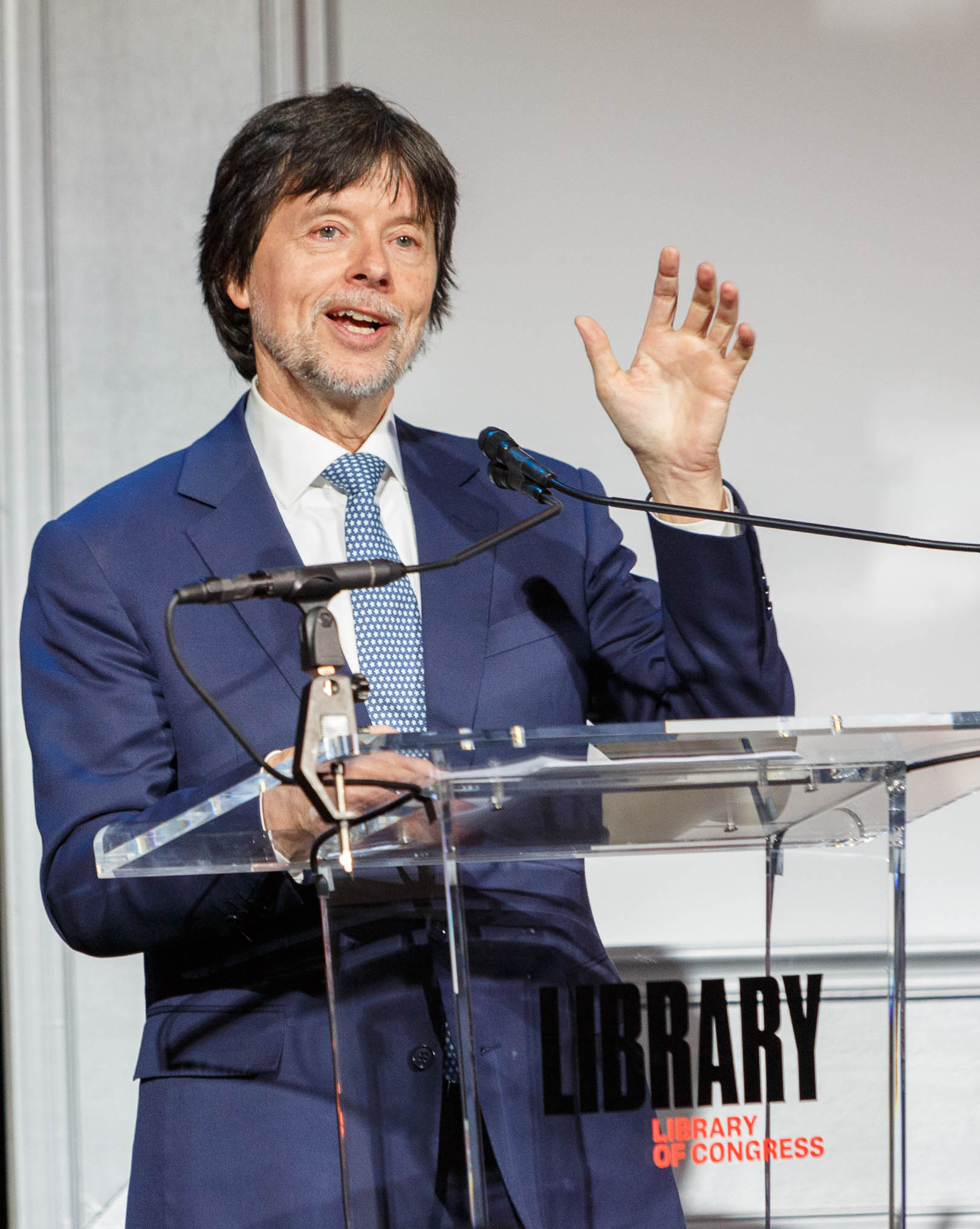
The American Revolution began its PBS run on November 16, 2025: six parts and 12 hours directed by Ken Burns, Sarah Botstein and David Schmidt, with writing by Geoffrey C. Ward. The timing marked 250 years since the war began in 1775, rather than waiting for the Declaration of Independence anniversary in 2026. That choice put the fighting and uncertainty before the familiar founding document. [1]
PBS described a history built from many positions within the conflict, including Loyalists, Native people, enslaved and free African Americans, soldiers and civilians. The original six-night broadcast window is now historical. Its scale explains why the project was presented as a sustained series rather than a single anniversary special. [1]
In a November 14 NewsHour interview, Burns and Botstein emphasized the war’s divisions within communities as well as its international dimensions. Burns discussed Native land and the contradiction between liberty and slavery; Botstein described families split by the conflict. Their account of the film’s approach makes the stakes more specific than a procession of famous founders: the same revolution meant different dangers and possibilities depending on where someone stood. [2]
Making that history visible required newly created material alongside surviving records. Botstein described filming reenactors, using contemporary landscape cinematography and commissioning watercolors. Those choices matter for documentary literacy. A moving image of a bayonet charge is a present-day representation of the past, even when used inside a carefully researched historical narrative. [2]
By December 18, PBS NewsHour Classroom had added a lesson that turned those decisions into questions for students. It asks why the filmmakers used reenactors, how primary sources help explain the Revolution, and why the documentary begins with Native voices. The lesson links to Library of Congress materials and places historical newspapers and images alongside modern discussion of the series. [3]
That provides a practical route for a family or classroom: identify a claim or image in the documentary, inspect the period material connected to it, and distinguish the evidence from the filmmakers’ way of presenting it. The resource’s questions invite that comparison rather than asking viewers merely to remember the film’s narration. [3]
The source
- PBS: THE AMERICAN REVOLUTION, A NEW FILM FROM KEN BURNS, TO PREMIERE NOVEMBER 16, 2025 ↗
Source date 2025-01-09 · reviewed October 28, 2026 - PBS NewsHour: Ken Burns' 'The American Revolution' explores the beginnings of the nation's democracy | PBS News ↗
Source date 2025-11-14 · reviewed October 28, 2026 - PBS NewsHour Classroom: Ken Burns’ The American Revolution explores the beginnings of the nation’s democracy ↗
Source date 2025-12-18 · reviewed October 28, 2026
About this item: Retrospective report. No first-hand reporting or independent testing is claimed. Corrections policy.