Europe’s games-preservation response left a permanent-play guarantee unresolved
The Commission’s June 16 response favored further industry talks over a new legal obligation. Existing consumer protections address a different question.
- Event / announcement date
- 2026-06-16
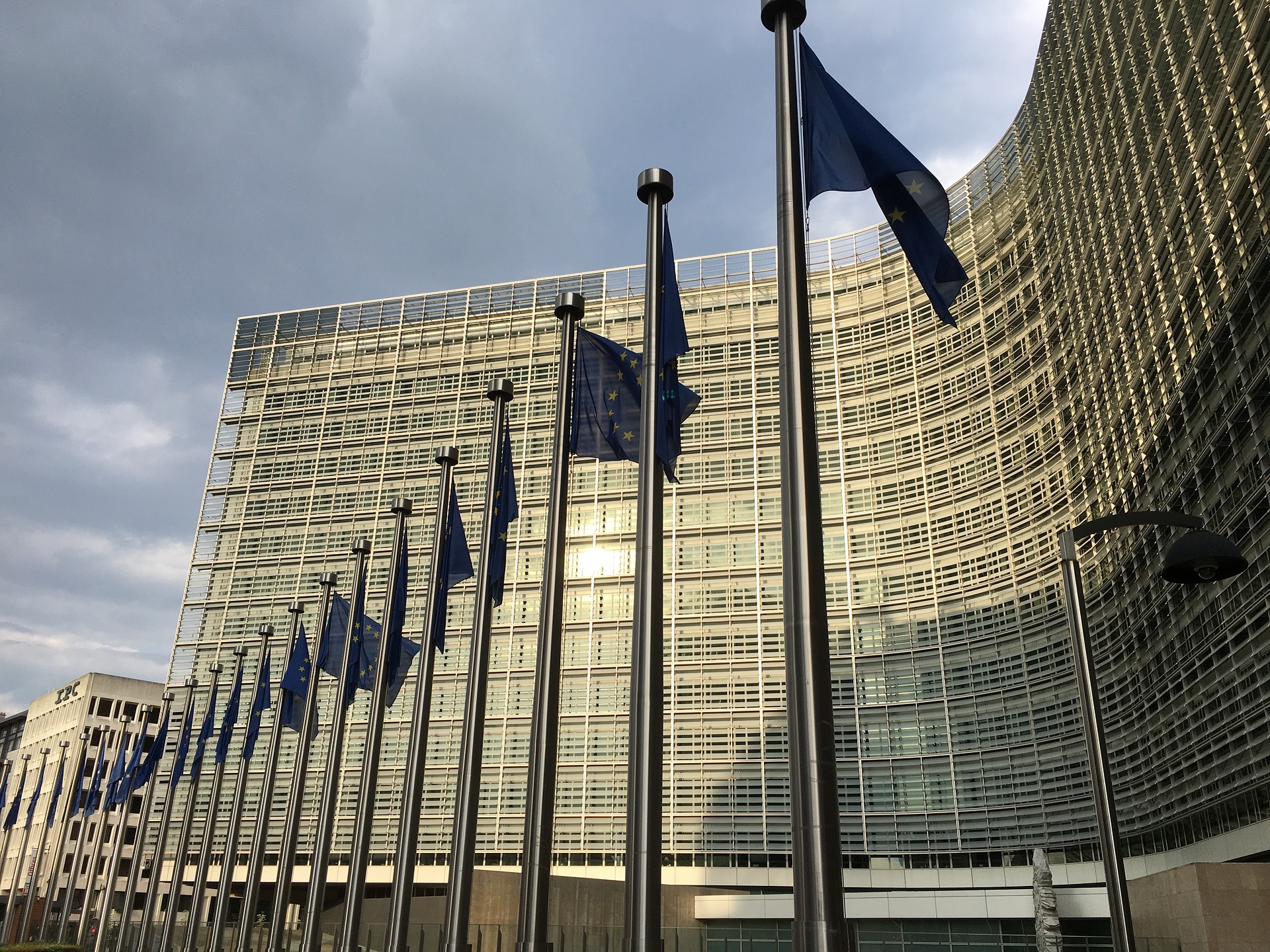
The European Commission’s June 16, 2026, response to the Stop Destroying Videogames initiative did not propose a legal requirement to keep every game playable after commercial support ends. It instead planned discussions with industry and consumer representatives about a possible code of conduct. The response left the central preservation demand unresolved rather than creating a new permanent-play guarantee. [1]
The technical issue is dependence on a publisher’s continuing service. A game may stop functioning when that connection ends. The Commission described competing concerns: players want continued access, while providers may face server dependencies, security obligations and time-limited third-party rights. Preserving a playable work can require more than leaving its installer available. [1]
The Commission aimed to begin stakeholder exchanges by the end of 2026 and discuss clearer information about games’ end of life. Those were future steps in the June response, not a completed code or a new law taking effect that day. [1]
Existing EU consumer protections are a separate route. The Council’s consumer-rights guide includes digital content and services, such as video games, among the purchases covered by guarantees. It also notes that protection can apply when a consumer provides personal data instead of paying money. A zero-price download therefore should not automatically be treated as outside consumer protection. [2]
The guide describes remedies when a product is faulty or does not match what was advertised, including repair, replacement, a price reduction or a refund. Those remedies address the transaction and the trader’s obligations. They do not amount to a blanket promise that the original online service will continue indefinitely, nor do they make every discontinued game automatically eligible for the same outcome. [2]
For an EU reader assessing a purchase, the useful starting point is what was supplied and represented: the game, its service requirements and the trader involved. The Council’s guidance provides a route into the applicable consumer framework. It should not be read as a new U.S. entitlement, and the June preservation debate did not erase the need to assess a particular transaction. [2]
The source
- European Commission: Commission response to Stop Destroying Videogames, C(2026) 4110 final ↗
Source date 2026-06-16 · reviewed October 28, 2026 · Date shown by the primary page or its structured publication metadata; event date is recorded separately in the draft. - Council of the European Union: Consumer protection: shopping rights - Consilium ↗
Undated reference · reviewed October 28, 2026 · No publication date is given on this context reference. Product release dates, event dates and retrieval dates are not substituted for publication dates.
About this item: Retrospective report. No first-hand reporting or independent testing is claimed. Corrections policy.