MusiCares’ fire-relief report shows why music recovery outlasts an emergency
The January update counted more than $15 million in relief work. Gear, housing and interrupted income are connected problems.
- Event / announcement date
- 2026-01-07
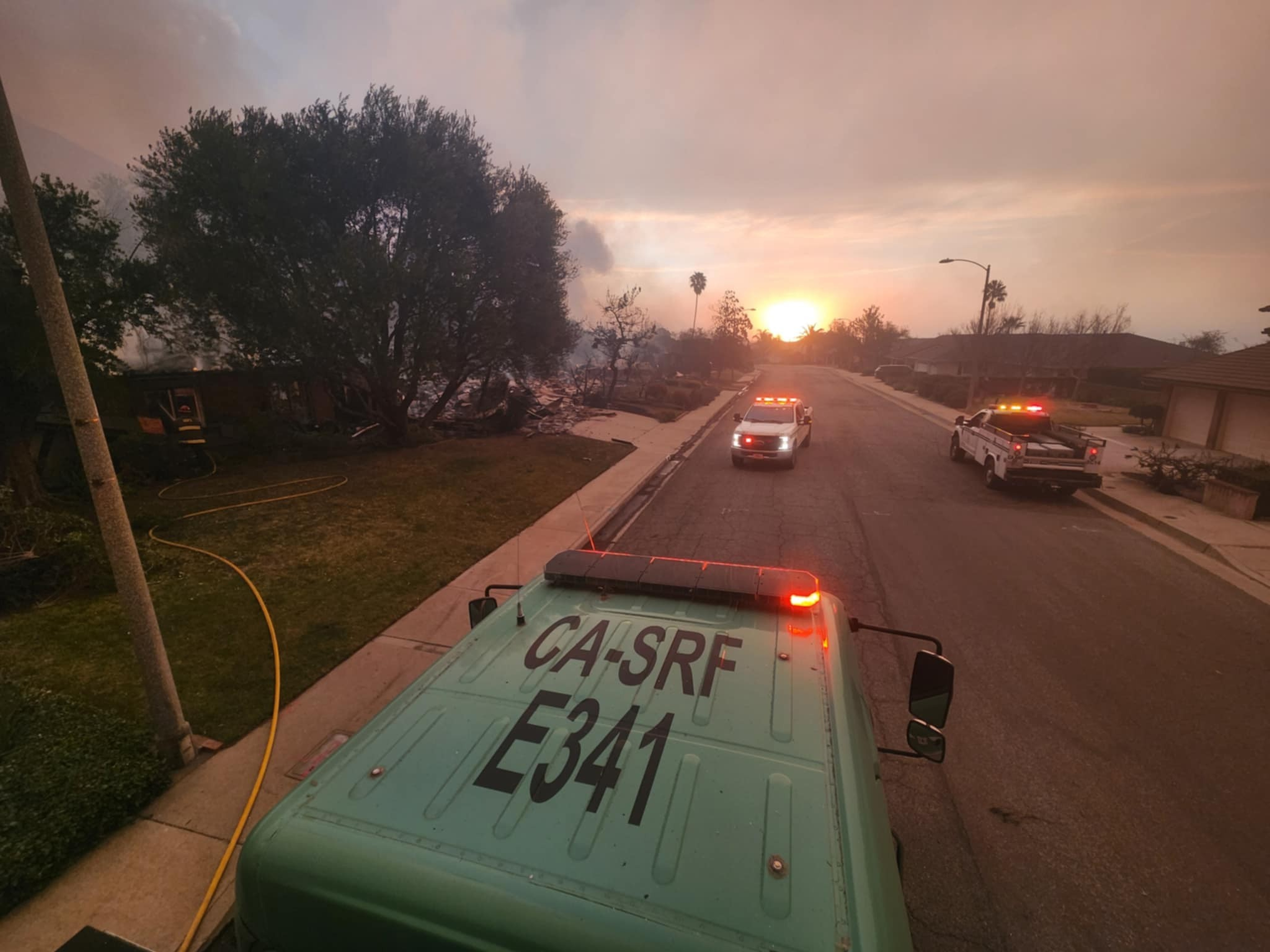
MusiCares reported on January 7 that it had directed more than $15 million toward relief after the Los Angeles wildfires, including $7 million in immediate assistance. It said more than 3,200 music professionals had received support. Those are the organization’s figures at that point in recovery, not an independently audited total or an updated October count. [1]
The reported total covered more than individual cash grants. MusiCares described financial assistance, case management and health services, as well as funds for community partners. It also described musicians losing instruments, studios and livelihoods alongside homes. For people paid through gigs, the loss of equipment can interrupt the work that would otherwise help finance recovery; housing and earning capacity cannot neatly be separated. [1]
The current disaster-relief program makes that connection explicit: it includes repair or replacement of instruments, recording equipment and touring gear damaged by environmental events. It lowers the industry-experience requirement for disaster support to three years. A worker who does not qualify for a different assistance program should therefore check the disaster-specific criteria instead of assuming the same threshold applies everywhere. [2]
The organization’s financial-assistance guidance also clarifies how approved help can arrive. Payments generally go directly to third parties such as landlords, utilities and service providers. Basic living needs can include rent, mortgage payments and insurance premiums; gear repair or replacement is another listed category. Those details are useful when preparing to explain a loss, because asking for assistance does not necessarily mean receiving an unrestricted check. [3]
Applicants can use the program’s Get Help route to discuss their circumstances with staff, who assess needs and connect people with resources. Approval should not be assumed from a past relief announcement or from being part of the music industry. The practical point of the January report, read alongside today’s program information, is that recovery support can address both immediate bills and the tools needed to return to work. [3]
The source
- MusiCares: Los Angeles fire relief update ↗
Source date 2026-01-07 · reviewed October 28, 2026 - MusiCares: Disaster relief support ↗
Undated reference · reviewed October 28, 2026 · No publication date is given on this undated context reference. Retrieval time is recorded separately and is not treated as the event date. - MusiCares: Financial assistance programs ↗
Undated reference · reviewed October 28, 2026 · No publication date is given on this undated context reference. Retrieval time is recorded separately and is not treated as the event date.
About this item: Retrospective report. No first-hand reporting or independent testing is claimed. Corrections policy.