Gil Evans manuscripts became available for research
Retrospective: August Library post documented processing and an online finding aid.
- Event / announcement date
- 2026-08-19
- Earliest linked source date
- 2026-02-18
- NewsTumble first published
- 2026-10-25T23:11:38Z
- NewsTumble updated
- 2026-10-25T23:11:38Z
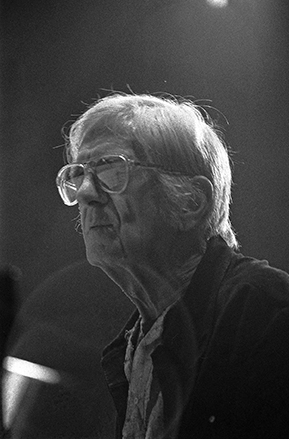
The Library of Congress reported on August 19, 2026, that the Gil Evans Music Manuscripts had been processed and were available for research in its Performing Arts Reading Room. An online finding aid accompanied the collection, giving researchers a route into the arranger's working materials. [1]
The Library's February acquisition announcement described roughly 350 scores, 35 lead sheets, five musical sketches and 50 instrumental parts for recording projects spanning 1947 to 1987. Much of that material was handwritten. A further group covered works never recorded, including about 160 scores, 20 lead sheets and 35 instrumental parts. [2]
The August post showed how such manuscripts preserve decisions behind the finished music. It described short scores with tempo, dates and instrumentation, sometimes naming the particular players Evans intended to perform a part. One example, his rearrangement of Pretty to Walk With, recorded the planned sequence of instrumental entrances. [1]
The collection also includes collaborations with, and rearrangements of music by, Sting, Jimi Hendrix and David Bowie. The Library connected Evans's manuscripts to its other composers' collections, including those of Harold Arlen, Gerry Mulligan, the Gershwins and Charles Mingus, placing related musical sources within the same institution. [1]
The source
- Library of Congress: Making Arrangements: Introducing the Gil Evans Music Manuscripts ↗
Source published 2026-08-19 · reviewed 2026-10-25 - Library of Congress: Library of Congress Acquires Manuscripts of Jazz Musician Gil Evans ↗
Source published 2026-02-18 · reviewed 2026-10-25
About this item: Retrospective source brief. No first-hand reporting or independent testing is claimed. Corrections policy.