Indiana Dunes reported over 1,600 native mussels released for restoration
Retrospective: October’s announcement outlined laboratory rearing and future monitoring.
- Event / announcement date
- 2026-10-01
- Earliest linked source date
- 2026-10-01
- NewsTumble first published
- 2026-10-25T23:11:38Z
- NewsTumble updated
- 2026-10-25T23:11:38Z
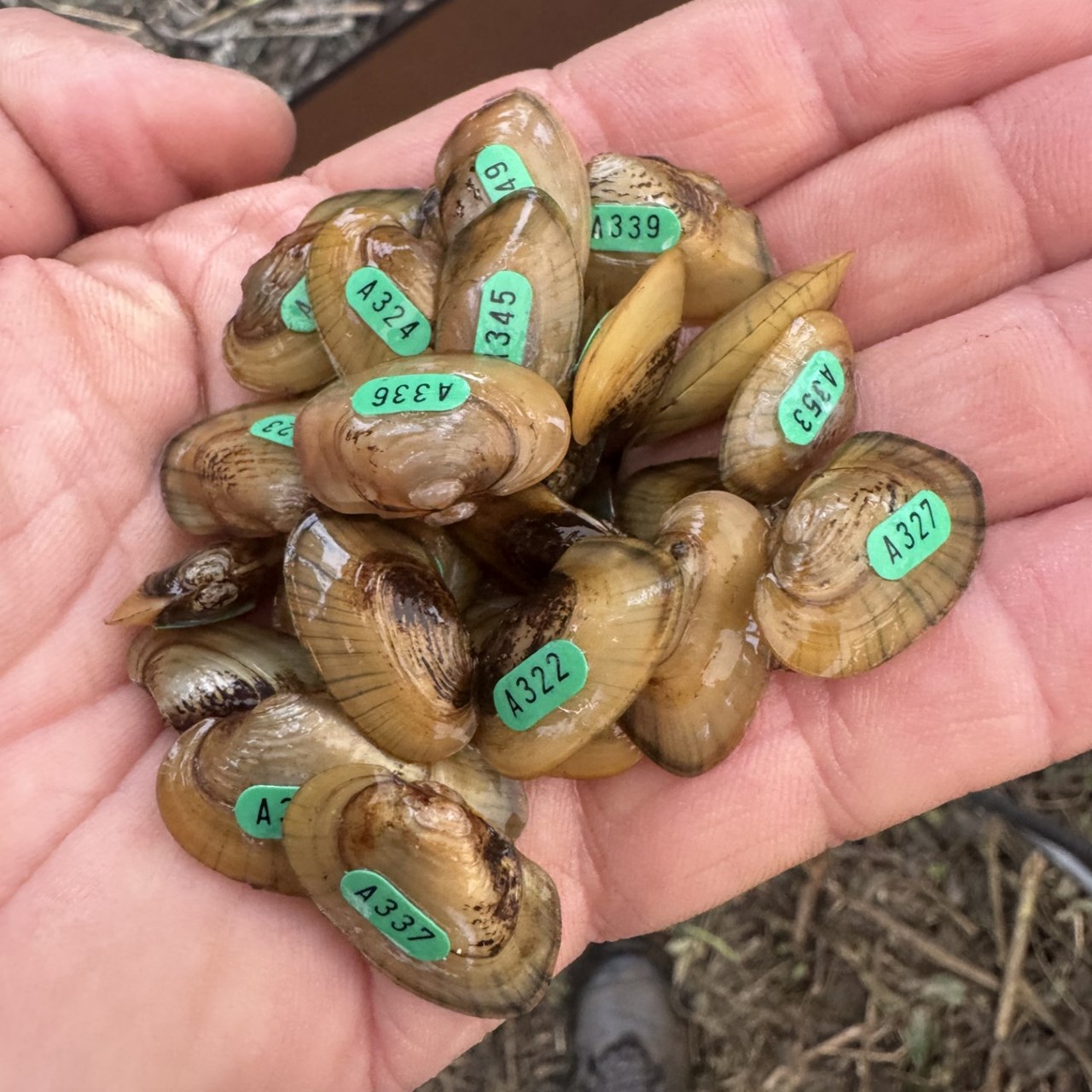
Indiana Dunes National Park reported on October 1, 2026, that more than 1,600 native fatmucket mussels had been released into the East Branch of the Little Calumet River. The individually tagged animals were the first group raised from larvae to subadult size through the park’s Dunes Mussel Propagation Laboratory. [1]
The Great Lakes Restoration Initiative funded an effort built on nearly a decade of work. Staff first grew the mussels into juveniles under controlled conditions, then let them develop in the river. They reached about 20 to 30 millimeters before reintroduction, the park said. [1]
The release began a longer test of restoration. Identification tags are intended to let managers measure survival, growth and movement; future surveys will look for reproduction. Establishing a population that can sustain itself remains the goal, rather than a result established by the announcement. [1]
NPS described the native mussels as filter feeders that also stabilize river sediments, cycle nutrients and support other aquatic organisms. Its public guidance was to leave both living native mussels and shells in place: handling or moving them can harm these fragile animals. [1]
The source
- National Park Service: Indiana Dunes National Park Releases 1600 Lab Grown Native Mussels into the Little Calumet River to Improve Water Quality ↗
Source published 2026-10-01 · reviewed 2026-10-25
About this item: Retrospective source brief. No first-hand reporting or independent testing is claimed. Corrections policy.