Fall cleanup needs a sorting step
Healthy stems and diseased debris differ.
- Event / announcement date
- 2026-10-26
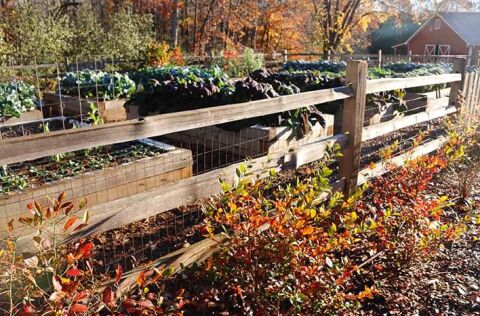
University of Minnesota Extension’s October 26 guidance separates diseased plants from healthy stems worth retaining. Seed heads feed birds; hollow stems shelter beneficial insects. Removing every plant sacrifices that habitat, while leaving infected debris can carry disease into next season. [1]
Its composting reference explains the constraint: decomposition needs oxygen, moisture and nitrogen. Packed grass restricts airflow, and badly diseased material may not get hot enough for decontamination. A home pile therefore cannot be assumed to sanitize everything removed from a bed. [2]
The advice targets Minnesota’s approaching winter, not a nationwide frost date. Soil testing can guide amendments before spring; local growing conditions still determine timing. [1]
The source
- University of Minnesota Extension: Fall garden care that pays off ↗
Source date 2026-10-26 · reviewed October 30, 2026 · Actual October 26 dated Extension report. - University of Minnesota Extension: Composting in home gardens ↗
Undated reference · reviewed October 30, 2026 · Undated guidance, marked reviewed in 2026; review year is not a publication date.
About this item: News report. No first-hand reporting or independent testing is claimed. Corrections policy.