Election Day 2026: the Senate races that show the national stakes
Michigan’s officially listed Senate contest offers a concrete example of how local ballots shape congressional control.
- Event / announcement date
- 2026-11-03
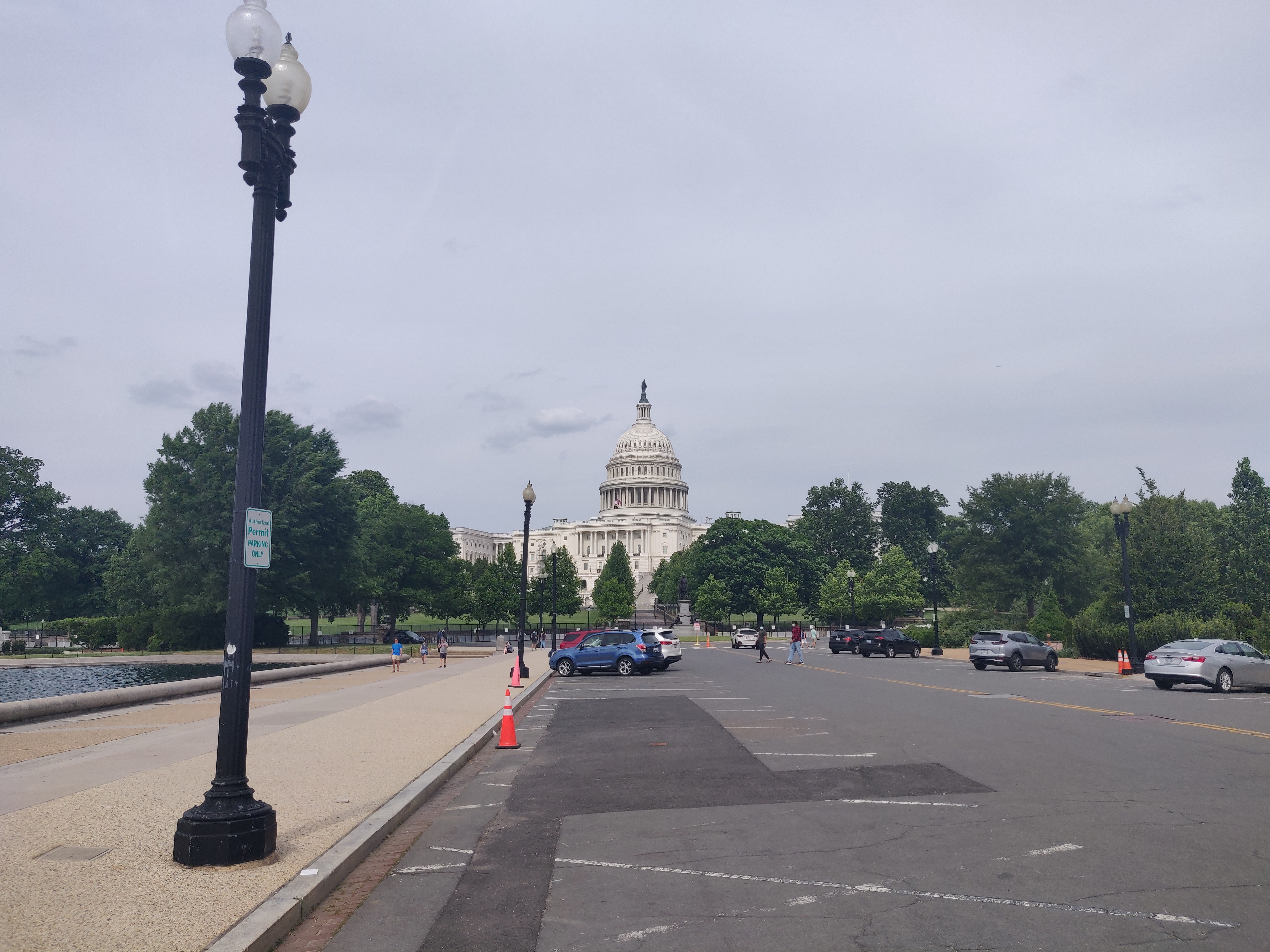
Story update · Image credit corrected: this archival Capitol photograph is by Kurt Kaiser, taken in May 2021 and released under CC0. The earlier credit and file description were incorrect.
The 2026 midterm election is a national contest for control of Congress, but the first useful question tonight is not who has won. It is how the Senate and House contests fit into the governing map and how election officials will report them. USA.gov’s midterm guide is the public starting point for voting information; official state election offices remain the authority for local rules and results. [1]
The most useful national watch list starts with the Senate seats and House districts that can change the governing arithmetic, not with a premature winner call. TIME’s November 3 analysis of 10 forecasters found eight Senate contests without a unanimous party rating: Alaska, Iowa, Kansas, Maine, Michigan, Ohio, South Carolina and Texas. TIME says those ratings reflect assessments based on polling and fundamentals, not guaranteed outcomes. [1] [2] [3]
Michigan’s official election portal also illustrates the practical side of the national map. Its November 3 candidate listing places Democrat Abdul El-Sayed and Republican Mike Rogers in the U.S. Senate contest, and the portal links personalized voter information plus the state’s voting deadlines. Those details matter nationally because every contest is still administered locally, and voters need the state’s own instructions rather than a national summary. [4] [5]
The House is harder to read from a single marquee race because control runs through hundreds of districts and can hinge on late-counting mail and provisional ballots. Election-night totals are therefore a first report, not a certification. Officials still canvass ballots, reconcile records and resolve eligible ballots after polls close, so a race that is not called tonight is not necessarily a failure of the count. [6]
Readers should keep three clocks separate: when their own state says voting ends, when election offices post preliminary totals and when officials certify results. Use the Election Atlas for historical context and state election offices for live instructions; do not treat a projection, an unofficial tally or a campaign statement as a certified outcome. Nevada remains part of this national picture, but its local voting guidance belongs alongside—not in place of—the wider map. [6]
The source
- USA.gov: 2026 midterm election information ↗
Source date 2026-11-03 · reviewed November 4, 2026 - TIME: The Senate races forecasters are watching ↗
Source date 2026-11-03 · reviewed November 4, 2026 - North Carolina State Board of Elections: Upcoming election information ↗
Source date 2026-11-03 · reviewed November 4, 2026 - Michigan Department of State: Elections information ↗
Source date 2026-11-03 · reviewed November 4, 2026 - Michigan Bureau of Elections: November 2026 general candidate listing ↗
Source date 2026-11-03 · reviewed November 4, 2026 - U.S. Election Assistance Commission: Election results, canvass and certification ↗
Source date 2026-07-30 · reviewed November 4, 2026
About this item: News report. No first-hand reporting or independent testing is claimed. Corrections policy.