Virginia’s September landmarks recorded community histories without guaranteeing preservation
Retrospective: seven state listings recognized places including a Black church and Hot Springs; honorary recognition has concrete limits.
- Event / announcement date
- 2026-09-17
- Earliest linked source date
- 2026-09-22
- NewsTumble first published
- 2026-10-26T20:52:39Z
- NewsTumble updated
- 2026-10-26T20:52:39Z
Virginia’s Board of Historic Resources approved seven state-landmark listings on September 17, 2026, according to the department’s September 22 announcement. The group included a rural Black church, a resort-centered district and a former segregated school. Recognition recorded distinct community histories; it did not guarantee that their buildings would survive. [1]
For Mount Carmel Baptist Church in Albemarle County, the department attributes the congregation’s 1879 founding to church historians, who identify founders formerly enslaved on nearby Brown-family plantations. The existing church dates to 1908. Its documented role as a social and cultural center places community institution-building alongside architectural description in the listing. [1]
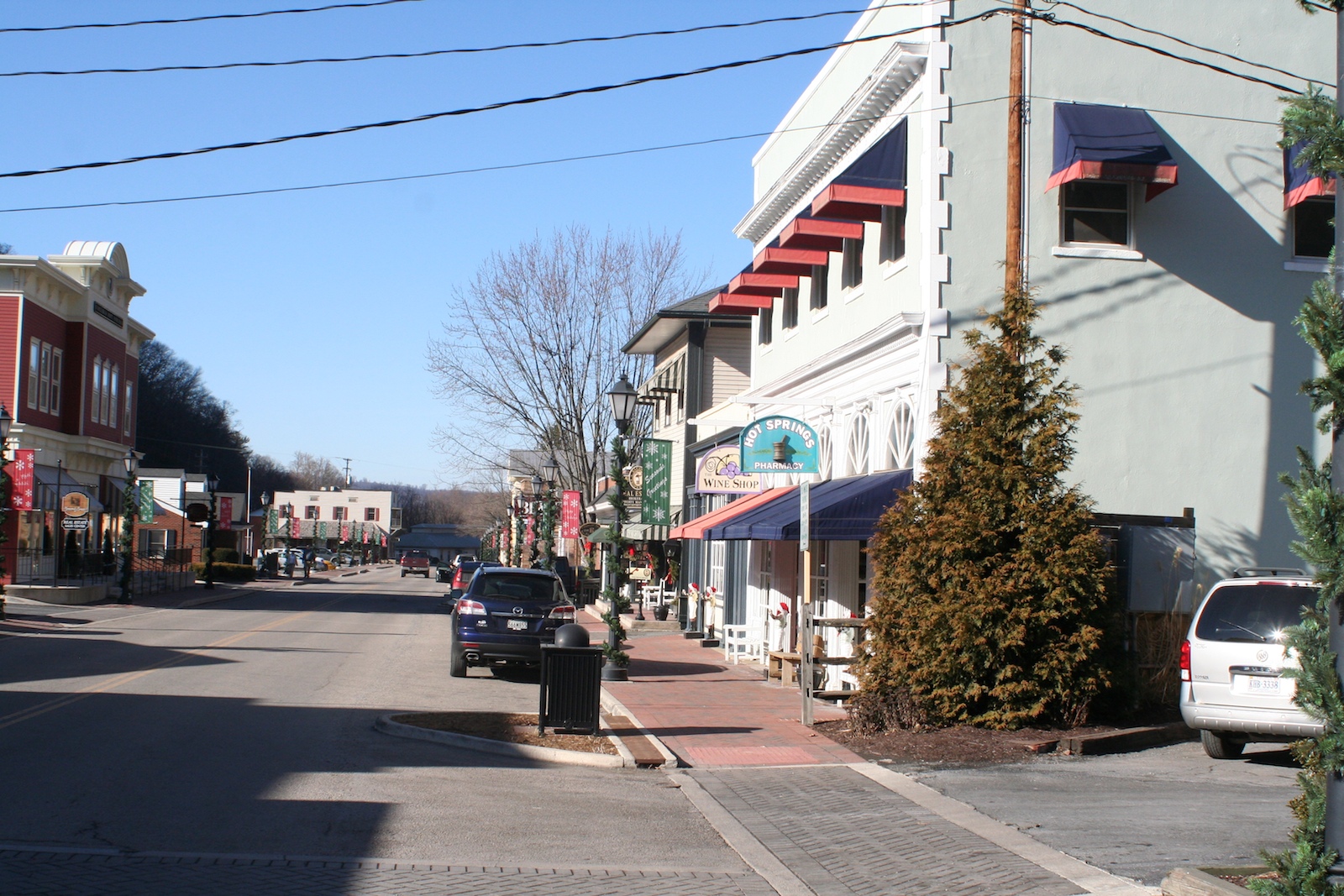
Hot Springs supplies a different development mechanism. Its official district record links commercial and residential growth to the 1891 Chesapeake & Ohio Railway connection, the Virginia Hot Springs Company’s purchase of the Homestead property and company infrastructure. The district includes homes, businesses and religious buildings: the resort economy shaped more than a single hotel. [2]
The department’s register guidance explains what recognition can do. Listings inform planning, offer limited protections concerning state- or federally funded activity, and may make voluntary rehabilitation incentives available. They do not themselves prevent an owner from demolishing or altering a building. Separate easements, incentive-program conditions and local ordinances can impose different obligations. [3]
That distinction is useful to residents concerned about a familiar building. A state-register entry is not a local zoning overlay, a demolition ban or a requirement to admit visitors. The department says registered private property need not open to the public. Recognition should not be treated as permission to enter. [3]
The September announcement said documentation would go to the National Park Service for national-register nomination. That was a next step, not evidence that federal listing or rehabilitation had been completed. This retrospective establishes the state decision and its documented significance, without claiming new grants, repairs, visitor access or measured economic benefits. [1]
The source
- Virginia Department of Historic Resources: September state-landmark designations ↗
Source published 2026-09-22 · reviewed October 26, 2026 - Virginia Department of Historic Resources: Hot Springs district record ↗
Undated reference · reviewed October 26, 2026 · No publication date is given for this context page. Review, update and historical dates are not treated as original publication dates. - Virginia Department of Historic Resources: Register benefits and limits ↗
Undated reference · reviewed October 26, 2026 · No publication date is given for this context page. Review, update and historical dates are not treated as original publication dates.
About this item: Retrospective report. No first-hand reporting or independent testing is claimed. Corrections policy.