High Seas Treaty entered into force on January 17
Retrospective: The agreement created rules for biodiversity beyond national waters.
- Event / announcement date
- 2026-01-17
- Earliest linked source date
- 2026-01-16
- NewsTumble first published
- 2026-10-25T22:01:35Z
- NewsTumble updated
- 2026-10-25T22:01:35Z
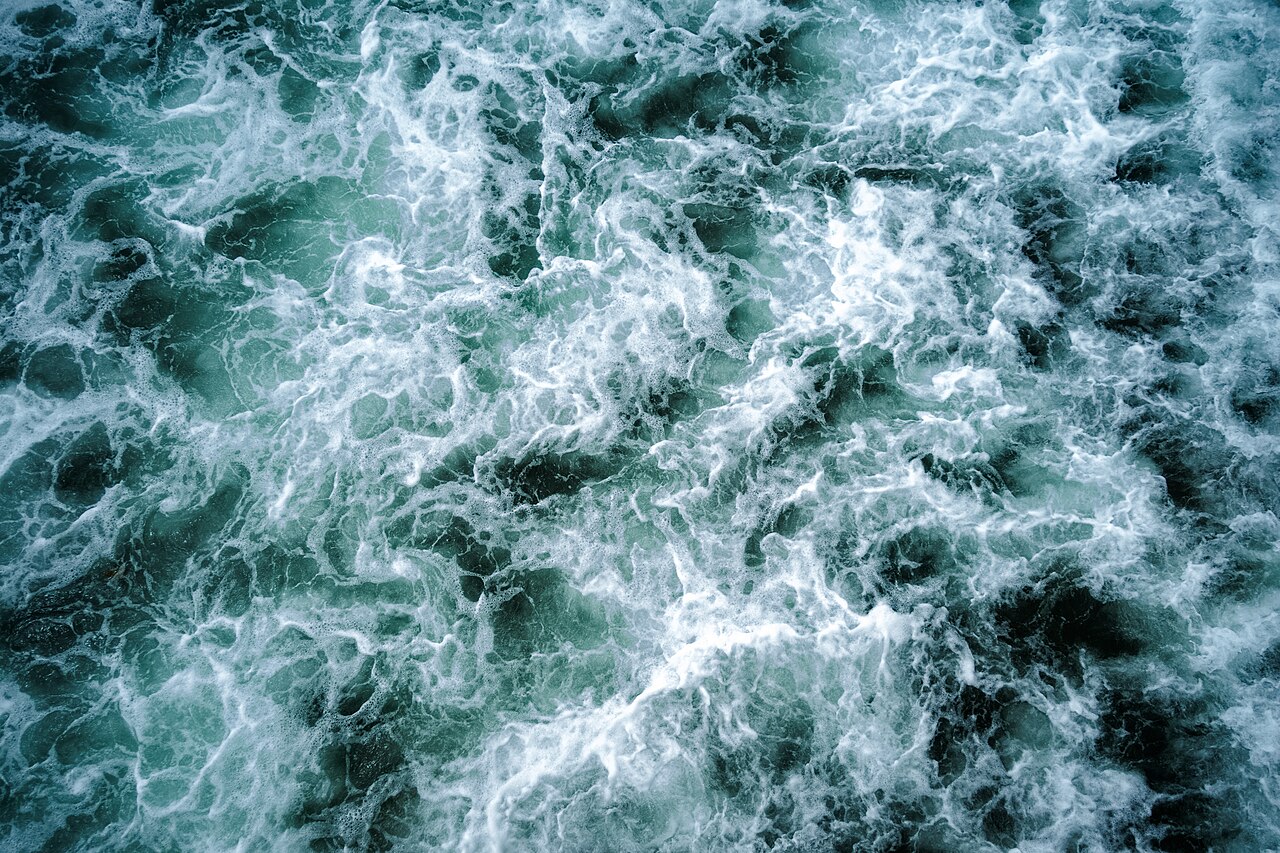
The Biodiversity Beyond National Jurisdiction Agreement entered into force on January 17, 2026, the United Nations confirmed. Often called the High Seas Treaty, it concerns marine biodiversity outside national jurisdiction. Its scope includes the high seas and international seabed, regions the UN says cover more than two-thirds of the ocean’s surface. [2]
The agreement sets a legal framework for sharing benefits from marine genetic resources, establishing marine protected areas, assessing environmental impacts and providing capacity and technology. These are tools for governing activity across a vast area, rather than a declaration that all international waters have become a single protected reserve. [2]
The treaty builds on the UN Convention on the Law of the Sea, which has governed maritime and seabed issues since 1994. In his entry-into-force message, Secretary-General António Guterres called for full implementation and wider participation. The January milestone establishes that the agreement became legally operative; environmental improvements still depend on the decisions, resources and implementation that follow. The UN’s own account framed the benefits as goals of implementation. [1]
The source
- United Nations: Game-changing international marine protection treaty comes into force ↗
Source published 2026-01-16 · reviewed 2026-10-25 - United Nations: António Guterres on the entry into force of the agreement on marine biological diversity of areas beyond national jurisdiction ↗
Source published 2026-01-17 · reviewed 2026-10-25
About this item: Retrospective source brief. No first-hand reporting or independent testing is claimed. Corrections policy.