HPV guidance depends on follow-up
Test categories must connect to care.
- Event / announcement date
- 2026-05-08
WHO’s May 8 guideline ties HPV genotyping choices to a programme’s capacity for follow-up and treatment. New recommendations for the general population of women are conditional, based on low-certainty evidence from review and modelling. It adds no extended-genotyping recommendation for women living with HIV, whose outcomes were not evaluated. More visits can increase losses to follow-up; finer test categories alone do not complete care. [1]
The distinction builds on WHO’s 2020 elimination strategy. Its 2030 targets include screening 70% of women with a high-performance test by age 35 and again by 45, alongside treatment for 90% of those identified with cervical disease. Those are linked coverage goals, not a claim that they have been achieved. Counting tests without the subsequent care would leave the strategy incomplete. [2]
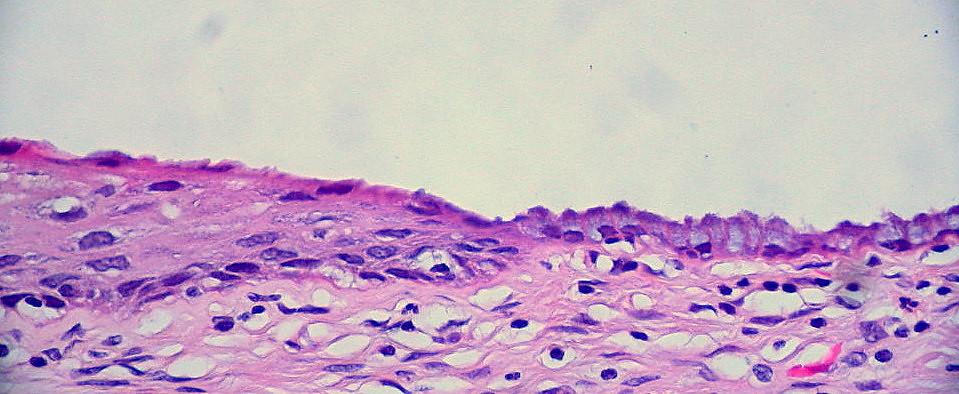
WHO’s July 2026 clinical reference explains why a positive HPV screen is not itself a cancer diagnosis. Most infections clear naturally; persistent infection with carcinogenic types can produce abnormal cells that progress over years. Follow-up examines whether precancerous changes are present. That biological sequence makes both risk classification and access to further assessment consequential, without making every infection equivalent to cancer. [3]
The source
- WHO: HPV genotyping guidance ↗
Source date 2026-05-08 · reviewed October 29, 2026 - WHO: Cervical cancer strategy ↗
Source date 2020-11-17 · reviewed October 29, 2026 - WHO: Cervical cancer biology ↗
Source date 2026-07-03 · reviewed October 29, 2026
About this item: Retrospective report. No first-hand reporting or independent testing is claimed. Corrections policy.