A malaria formulation’s path toward access
April’s quality designation and September’s guidance update addressed different steps for very small infants.
- Event / announcement date
- 2026-04-24
- Earliest linked source date
- 2024-05-15
- NewsTumble first published
- 2026-10-26T22:58:57Z
- NewsTumble updated
- 2026-10-26T22:58:57Z
Historical report — On April 24, 2026, WHO announced prequalification of an artemether-lumefantrine formulation for newborns and young infants weighing two to five kilograms. The agency said older-child formulations had posed dosing risks for that group. The announcement established a quality-assurance milestone; it did not document delivery to every country or a measured improvement in infant outcomes. [1]
WHO’s general prequalification description explains the review behind that designation. Depending on the product stream, assessment may include a dossier review, testing, performance evaluation and inspections of manufacturing sites or research organizations. These are product-assessment processes. The overview does not supply this formulation’s individual assessment findings, and it should not be read as an inspection report for a particular factory. [2]
Purchasing rules add another layer. The Global Fund lists WHO prequalification among the routes through which malaria medicines can meet its eligibility standards. Products bought with its funds must also comply with national regulations and authorization requirements. This separates an international quality route from the requirements applying where a medicine will be used; neither a procurement rule nor eligibility establishes that an order has arrived. [3]
There was a later, separately documented guidance step. WHO’s September 10, 2026 guideline page listed an updated recommendation on a new artemether-lumefantrine formulation for children below five kilograms. That verifies its inclusion in the organization’s guidance update. The page is not a distribution ledger, and the broader weight description is not an individual prescribing instruction. [4]
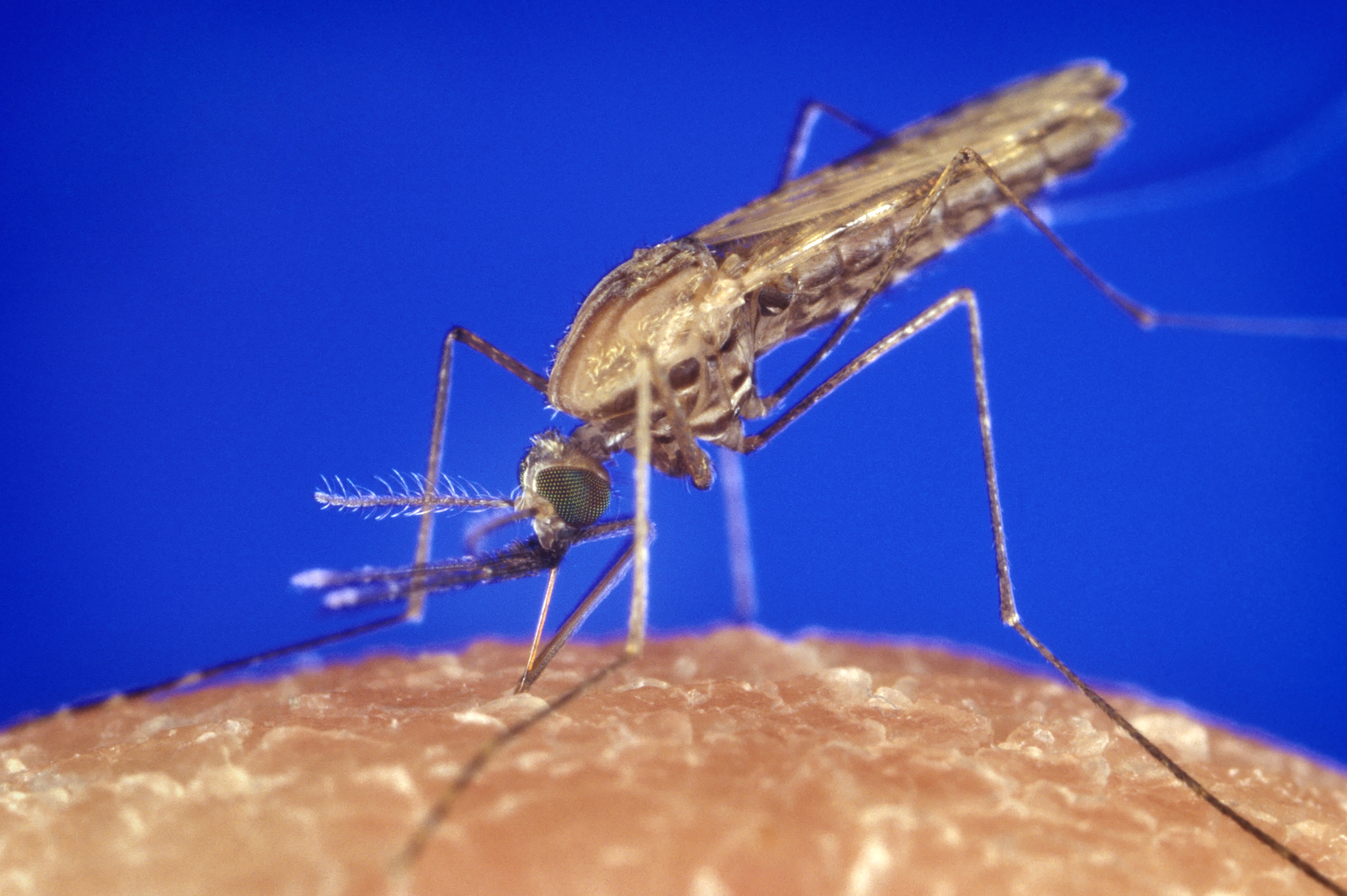
The clinical priority sits within a specific infection pathway. CDC explains that malaria is caused by parasites, transmitted mainly through infective female Anopheles mosquitoes, and identifies young children among those vulnerable to severe illness. That background explains attention to small children. It does not quantify how much benefit followed from the newly prequalified formulation. [5]
The source
- WHO: WHO prequalifies first-ever malaria treatment for newborns and infants, adds new diagnostic tests ↗
Source published 2026-04-24 · reviewed October 26, 2026 - WHO: Prequalification ↗
Undated reference · reviewed October 26, 2026 · No publication date is given for this reference. - The Global Fund: Medicines ↗
Undated reference · reviewed October 26, 2026 · No publication date is given for this reference. - WHO: WHO guidelines for malaria ↗
Source published 2026-09-10 · reviewed October 26, 2026 - CDC: How Malaria Spreads ↗
Source published 2024-05-15 · reviewed October 26, 2026 · Published May 15, 2024; reviewed March 12, 2024.
About this item: Retrospective report. No first-hand reporting or independent testing is claimed. Corrections policy.