Lead prevention moves upstream
Testing and product controls serve different roles.
- Event / announcement date
- 2026-10-15
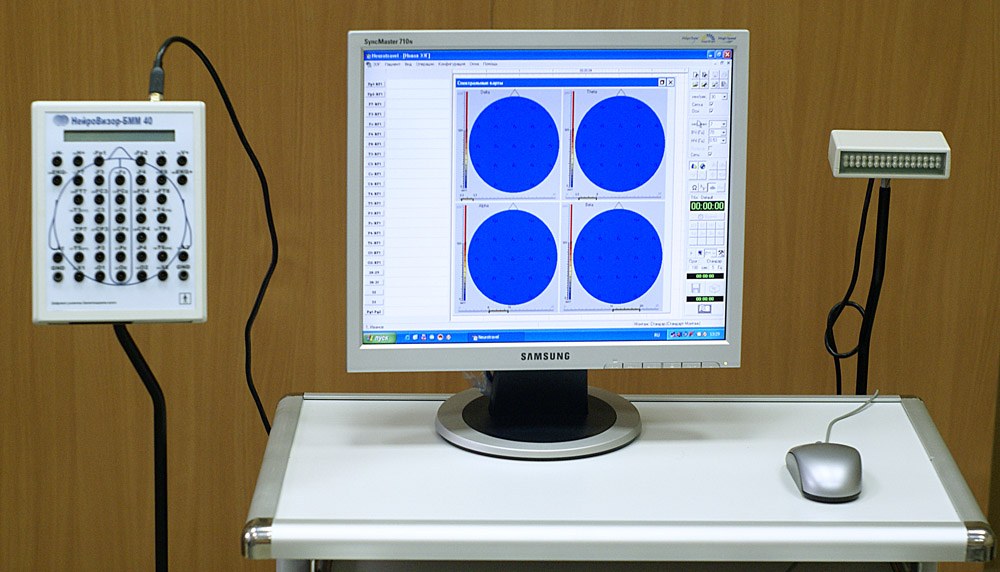
WHO’s October 15 call for stronger lead prevention set out work still ahead: a global action plan for the 2027 World Health Assembly and a technical package planned for 2027. Proposed laboratory support would improve exposure monitoring. These are commitments and planned capacity, not evidence that laboratories have opened or lead exposure has fallen. The stated goal is to remove hazards before exposure occurs. [1]
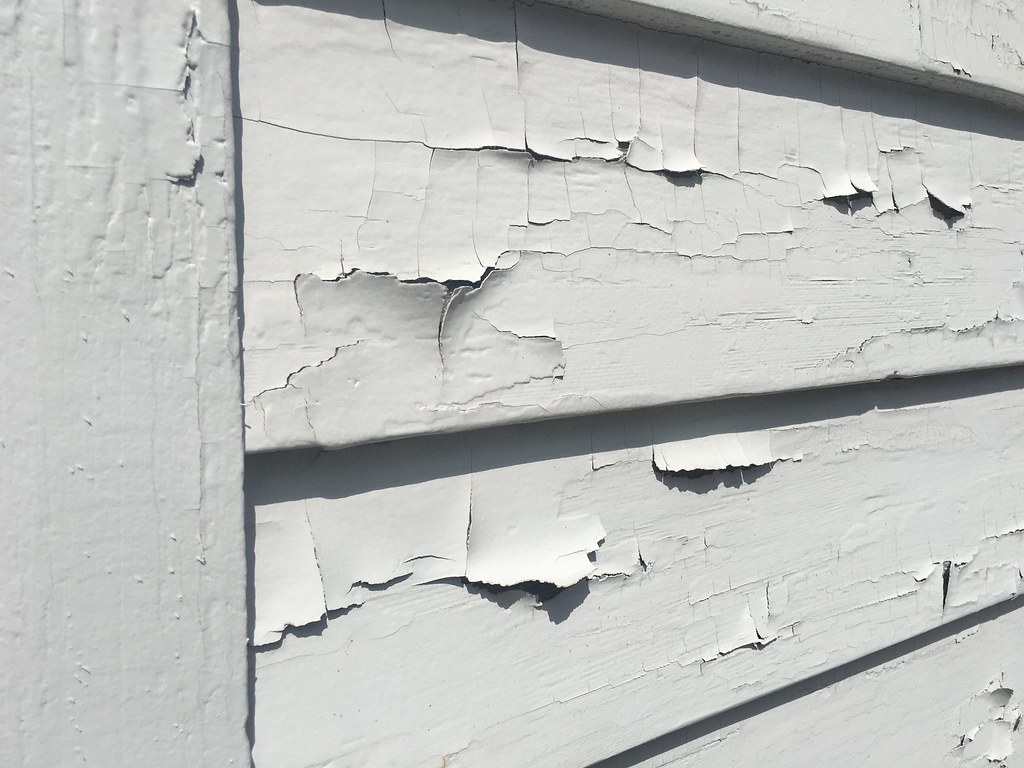
The historical baseline shows why regulations and measurement are separate tasks. WHO’s assessment using March 2023 data counted 93 countries with legally binding paint-lead controls and distinguished laws from voluntary standards. Such a count documents the legal framework; it cannot establish whether a particular product complies or whether enforcement has reduced contamination. The older count should not be read as a 2026 inventory. [2]
WHO’s June 2026 health reference explains the biological distinction. People can inhale lead particles or ingest contaminated dust, soil, food or water; lead accumulates in bones and teeth and can re-enter blood during pregnancy. Blood measurement assesses human exposure. Paint controls address one source among several, so laboratory surveillance and source prevention answer different questions. Neither substitutes for evidence about the other. [3]
The source
- WHO: Lead prevention plans ↗
Source date 2026-10-15 · reviewed October 29, 2026 - WHO: Paint-law assessment ↗
Source date 2023-10-04 · reviewed October 29, 2026 - WHO: Lead exposure pathways ↗
Source date 2026-06-10 · reviewed October 29, 2026
About this item: Retrospective report. No first-hand reporting or independent testing is claimed. Corrections policy.