Lung models preserve a local immune response
Laboratory protection is not clinical vaccine efficacy.
- Event / announcement date
- 2026-10-07
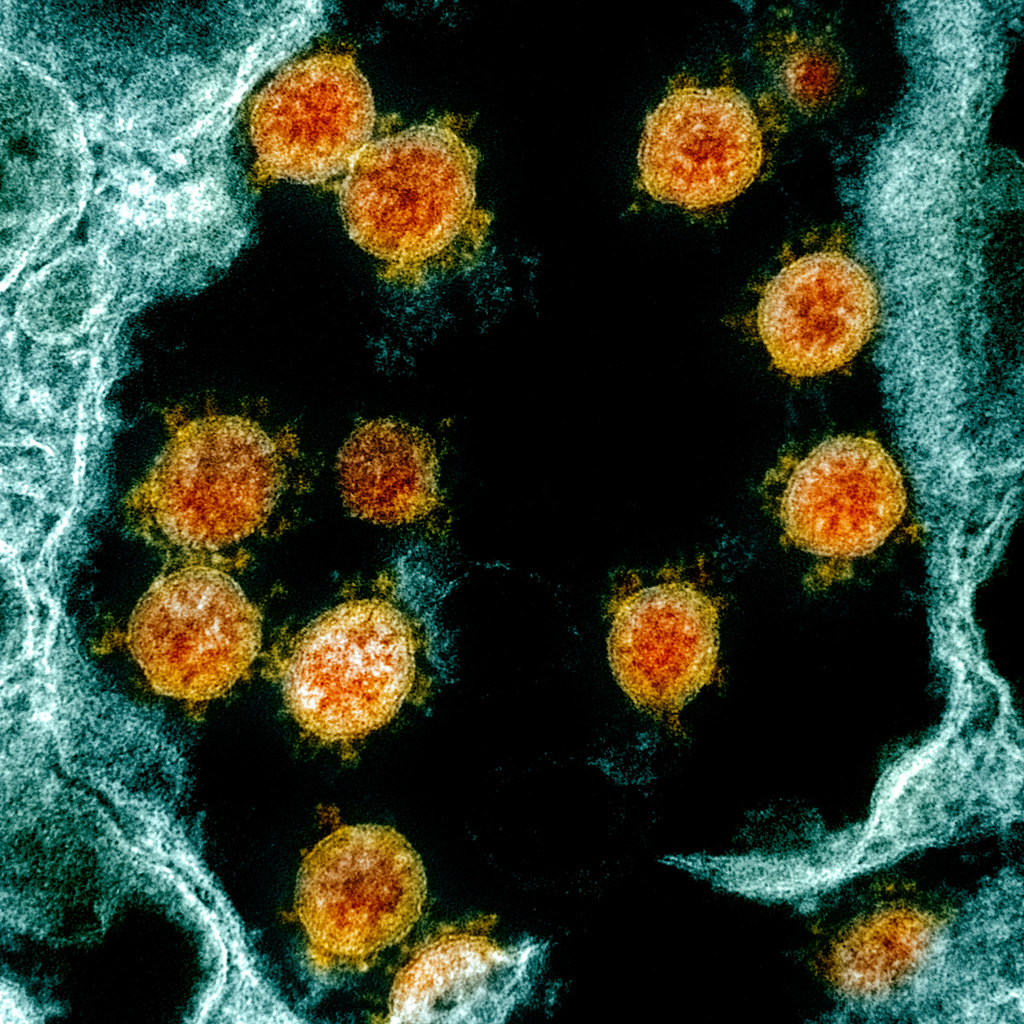
NIH’s October 7 account described lung-tissue organoids retaining resident T cells. Pre-exposure to viral fragments reduced subsequent SARS-CoV-2 infection in the models. That was a laboratory response, not vaccination benefit demonstrated in people. [1]
An earlier engineering review, published in February 2021, described organoids as simplified cultures that often lack specialized cell types, vascular networks and consistent organization. It argued that experimental control and reproducibility matter for translation. That history explains the value of retaining local immune cells without treating a model as an entire functioning lung. [2]
The new work used tissue from more than 220 volunteers and an air-liquid interface. Whether its insights yield safe, effective vaccines still requires clinical evidence. [1]
The source
- NIH: Lung organoid account ↗
Source date 2026-10-07 · reviewed October 29, 2026 · October 7 institutional account; not a clinical trial. - Hofer and Lutolf: Engineering organoids ↗
Source date 2021-02-19 · reviewed October 29, 2026 · February 2021 review; historical context.
About this item: Retrospective report. No first-hand reporting or independent testing is claimed. Corrections policy.