Why a measles wastewater signal was missed
Retrospective: Wisconsin’s investigation exposed an assay limitation.
- Event / announcement date
- 2026-07-16
- Earliest linked source date
- 2026-04-10
- NewsTumble first published
- 2026-10-27T00:48:57Z
- NewsTumble updated
- 2026-10-27T00:48:57Z
A July 16, 2026 CDC report traced a missed Wisconsin measles signal to a mutation that mismatched an assay probe. Eight wastewater samples were negative despite a confirmed February case; alternative testing detected the virus. [1]
Developers added a second probe on March 2. The report contrasted that failure with detection associated with an unrelated case, illustrating why assays require revalidation as available genomic evidence changes. [1]
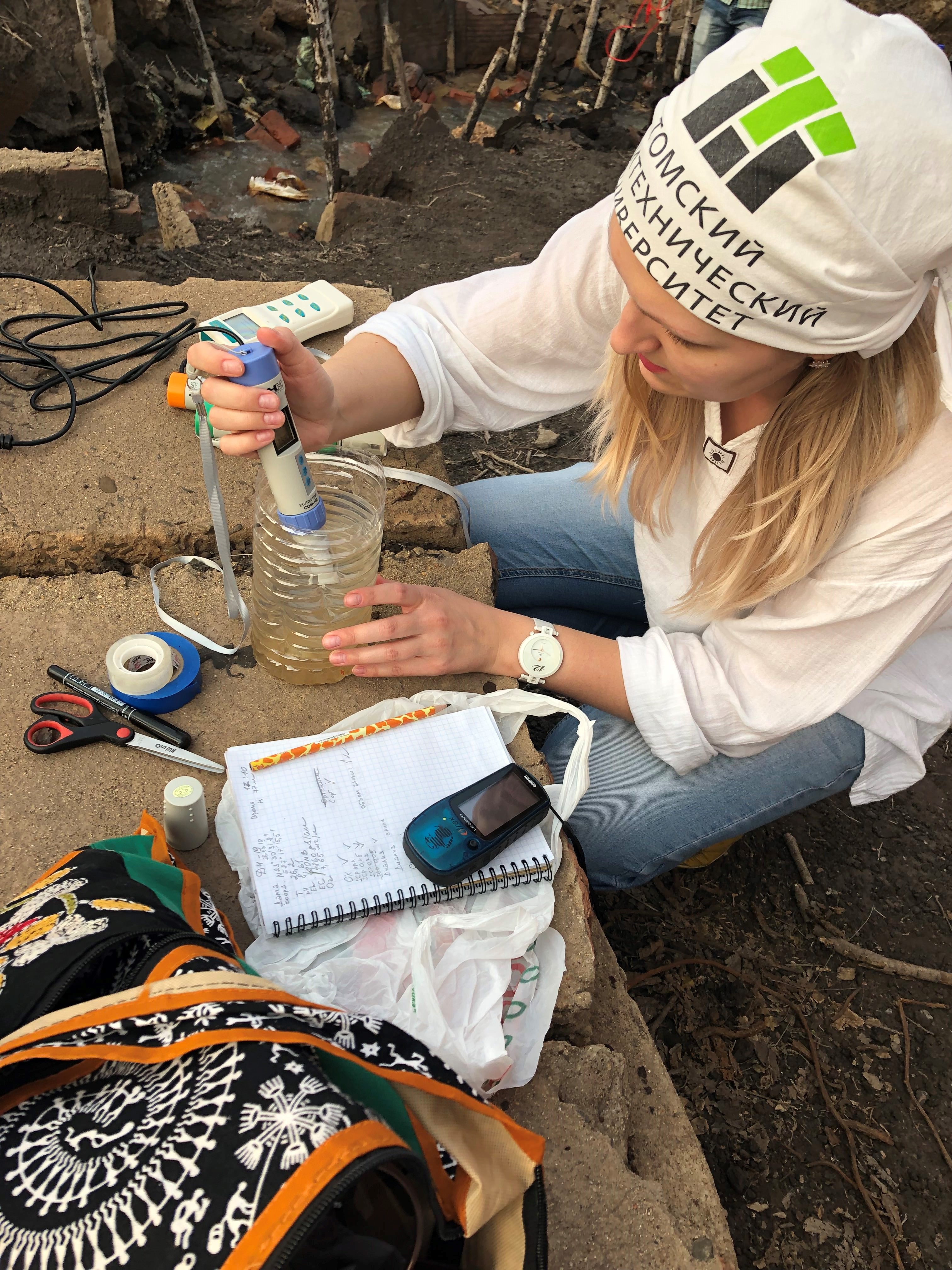
Wisconsin’s wider laboratory-checking programme began in May 2024. Its undated reference describes laboratories testing shared material with routine workflows, then comparing results and recoveries. Participation is explicitly non-graded: it is neither accreditation nor pass/fail certification. Feedback can identify unit-conversion and calculation problems. [2]
CDC’s measles data page, updated October 23, distinguishes no detection from no data reported. It warns that infection can be present without a wastewater detection. A separate notice anticipates a brief reporting gap affecting about 200 sites during a testing-contract transition; it does not establish the gap’s actual duration. [3]
Coverage adds another boundary. CDC’s general data reference, updated September 25, says monitoring can include people without access to clinical testing. Communities using septic systems or outside participating sewers may be missing, and viral concentrations are not reliable counts of ill residents. A laboratory result and a representative population picture are different questions. [4]
The source
- Centers for Disease Control and Prevention: Genotype-Specific Detection of Measles Virus Using Wastewater Surveillance — Wisconsin, February 2026 ↗
Source published 2026-07-16 · reviewed October 26, 2026 · Published July 16, 2026. - University of Wisconsin–Madison: Wastewater Proficiency Testing ↗
Undated reference · reviewed October 26, 2026 · No publication date given; read October 26, 2026. - Centers for Disease Control and Prevention: Wastewater Data for Measles ↗
Source published 2026-04-10 · reviewed October 26, 2026 · Published April 10, 2026; updated and reviewed October 23, 2026. - Centers for Disease Control and Prevention: About Wastewater Data ↗
Source published 2026-04-10 · reviewed October 26, 2026 · Published April 10, 2026; updated and reviewed September 25, 2026.
About this item: Retrospective report. No first-hand reporting or independent testing is claimed. Corrections policy.