Screening intensity and biopsy burden diverged
Risk assessment redistributed imaging.
- Event / announcement date
- 2025-12-12
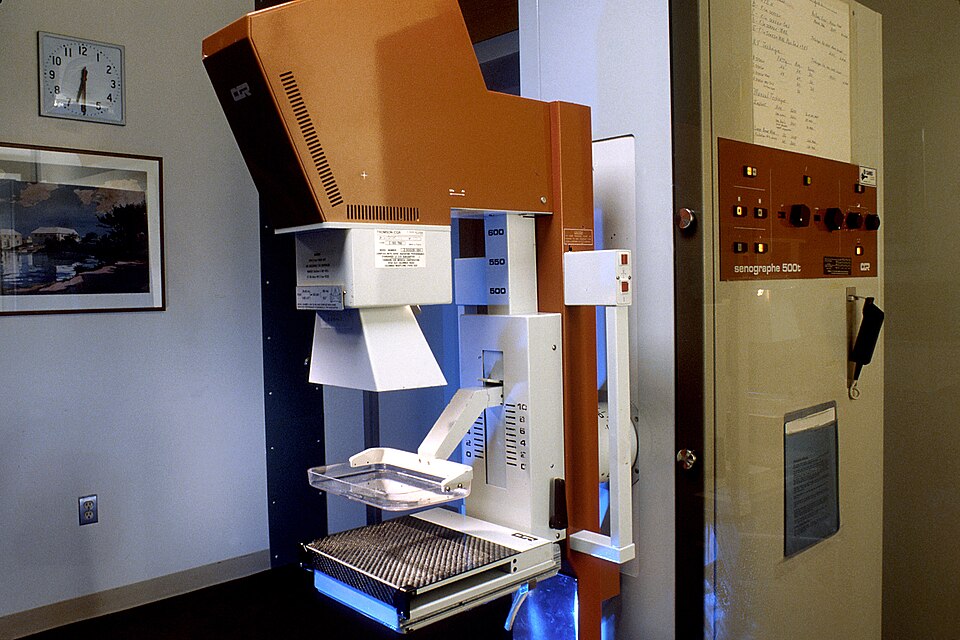
WISDOM’s December 12, 2025 randomized trial of 28,372 women found risk-based screening met its safety threshold for stage IIB or later breast cancers. Biopsy rates did not fall overall. Fewer mammograms therefore did not automatically mean fewer invasive follow-up procedures. [1]
NIH’s January account explains the redistribution. Assessment combined genetics, health history and breast density. The highest-risk participants were assigned six-monthly imaging; lower-risk participants less. The intervention therefore changed who received screening resources, rather than simply reducing screening for everyone. [2]
Screening often departed from assignments, and participants disproportionately included college-educated White women, limiting generalizability. Meeting a noninferiority threshold also does not establish better survival than annual screening. [1]
A March 26, 2026 correction updated values throughout the participant-characteristics table. The corrected online report is the version consulted here; the correction notice does not announce a new screening trial or replace its original December event date. [3]
NIH also described counseling and prevention options for higher-risk participants. Implementation therefore includes risk communication alongside imaging capacity: matching services to assessed risk while preserving safety. The trial does not supply an individual screening schedule. [2]
The source
- JAMA: WISDOM randomized trial ↗
Source date 2025-12-12 · reviewed October 29, 2026 - NIH: NIH screening context ↗
Source date 2026-01-27 · reviewed October 29, 2026 - JAMA: Table correction ↗
Source date 2026-03-26 · reviewed October 29, 2026
About this item: Retrospective report. No first-hand reporting or independent testing is claimed. Corrections policy.