Alaska’s sponge discoveries strengthened the reference behind future surveys
Retrospective: nine species added to biological knowledge; skeletal identification and DNA libraries answer different questions from population estimates.
- Event / announcement date
- 2026-09-10
- Earliest linked source date
- 2025-07-09
- NewsTumble first published
- 2026-10-26T21:38:22Z
- NewsTumble updated
- 2026-10-26T21:38:22Z
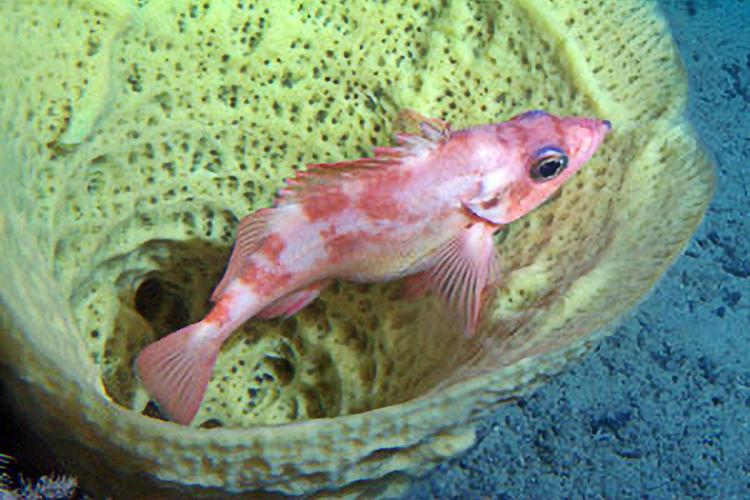
NOAA Fisheries reported nine newly identified sponge species from the Gulf of Alaska and Aleutian Islands on September 10, 2026. Samples came from surveys dating to 2012; recognition of a species is separate from when a specimen was collected. [1]
The Smithsonian describes why identification goes beyond outward appearance. Researchers compare DNA and physical traits, including microscopic skeletal structures called spicules. A new species description is anchored to a particular specimen, the holotype, whose detailed measurements can be compared with other specimens. Preserved material gives later researchers something more durable to examine than an unverified visual resemblance. [4]
NOAA reported depositing new DNA barcodes in GenBank. Such references let researchers match genetic traces in seawater with identified species. That supplies a route to detection, rather than a direct count of living animals. [1]
NOAA’s earlier environmental-DNA roadmap explains the distinction. Organisms shed genetic material into water, where scientists can recover it. Using those traces in stock assessments requires understanding how the material spreads and linking its quantity to abundance. False detections, missed detections and measurement uncertainty must be evaluated before an index can represent population change. [2]
The roadmap also identifies what eDNA does not directly supply: age, weight or reproductive status. Traditional collections and observer data can provide that biological context. A richer genetic library can improve identification without replacing every other observation needed to assess a marine population. [2]
The surveys that supplied the specimens have broader management aims, including fishery-independent abundance estimates and environmental information for ecosystem models. Finding more species expands that knowledge base. It does not demonstrate a new harvest rule, a protected area or a medical treatment. This report did not inspect specimens, sequence DNA or independently estimate sponge abundance. [3]
The source
- NOAA Fisheries: Alaska sponge identification ↗
Source published 2026-09-10 · reviewed October 26, 2026 - NOAA Fisheries: Environmental DNA roadmap ↗
Source published 2025-07-09 · reviewed October 26, 2026 - NOAA Fisheries: Bottom trawl survey objectives ↗
Undated reference · reviewed October 26, 2026 · No publication date established; general survey objectives are context. - Smithsonian Ocean: Describing sponge species ↗
Undated reference · reviewed October 26, 2026 · No publication date established; general taxonomic practice is context.
About this item: Retrospective report. No first-hand reporting or independent testing is claimed. Corrections policy.