The Arctic’s 2025 report connected warmer conditions with changing water and food systems
Its water-year measurements and community monitoring describe linked processes rather than a single temperature ranking.
- Event / announcement date
- 2025-12-16
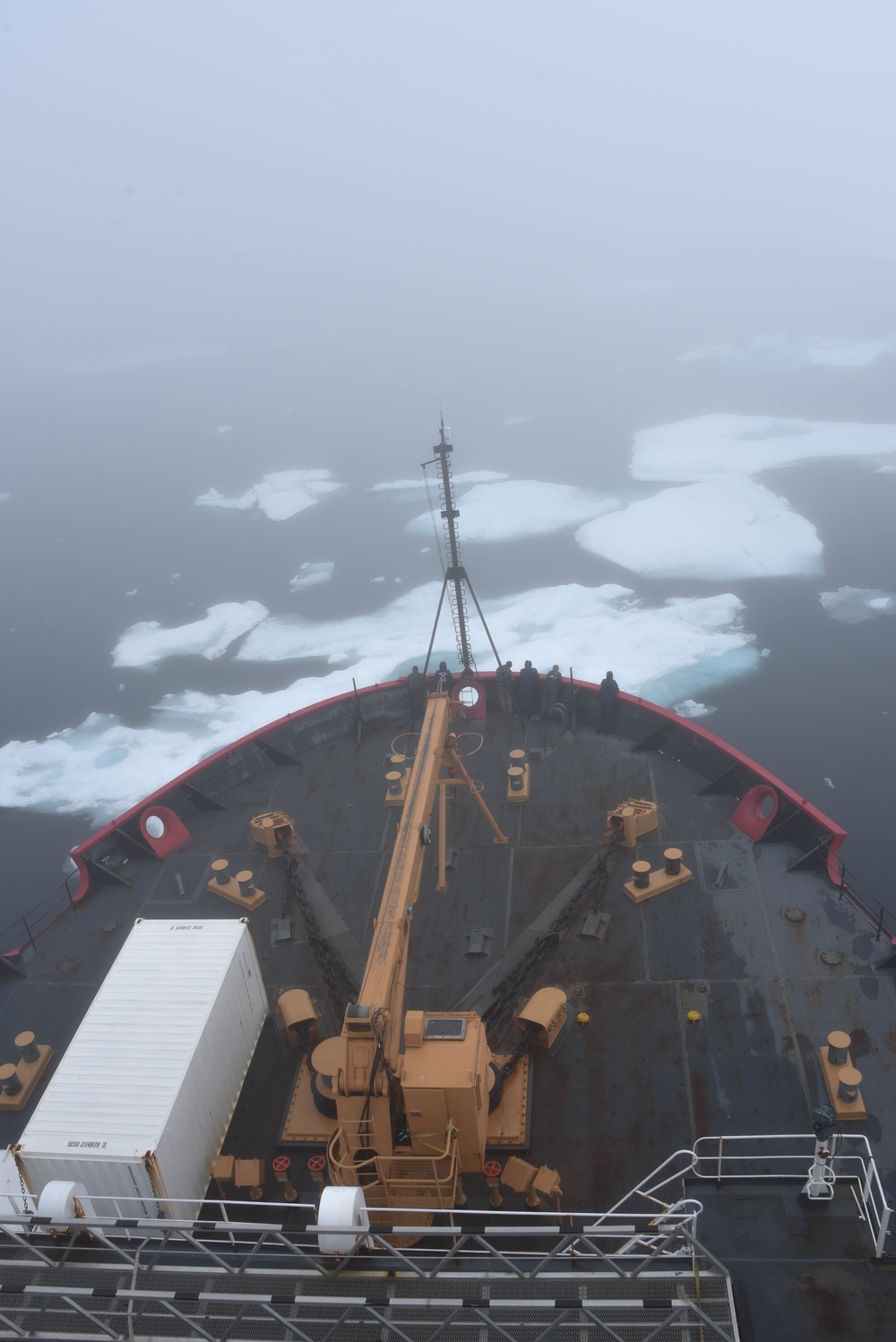
The 2025 Arctic Report Card, discussed by its University of Alaska Fairbanks contributors on December 16, covered October 2024 through September 2025. Arctic temperatures during that water year were the warmest since at least 1900. The reporting period matters: that finding did not describe every month of the 2025 calendar year, or conditions everywhere in the region. [1]
The university’s account described Alaska glacier losses averaging 125 vertical feet since the mid-20th century, with implications for sea level and local hazards. It also reported shifting fish populations in the Chukchi and northern Bering seas as waters warmed and sea ice declined. Different observations therefore connect the assessment to different community concerns. The account also identified increasing numbers of orange streams. [1]
An earlier NASA Earth Observatory explanation, published in January 2024, traced possible mechanisms behind orange streams. Researchers suspected that thawing permafrost was involved, but the exact processes remained debated. One hypothesis involved bacteria producing soluble iron, which rusts when it reaches flowing water. Another involved water encountering sulfide-bearing rock beneath thawing ground. [2]
Those reactions could increase acidity and move metals downstream. NASA described possible damage to fish habitat and consequences for villages relying on rivers for food and drinking water. This explains a concern within the broader 2025 assessment; a photograph of an orange stream alone cannot establish its chemistry or determine whether household water is safe. [2]
The source
- University of Alaska Fairbanks: Arctic Report Card celebrates 20 years | ACCAP ↗
Source date 2025-12-16 · reviewed October 28, 2026 · Official date printed on page. - NASA Earth Observatory: Rusting Rivers - NASA Science ↗
Source date 2024-01-16 · reviewed October 28, 2026 · Image of the Day for January16,2024 printed on page; file image date separate.
About this item: Retrospective report. No first-hand reporting or independent testing is claimed. Corrections policy.