IMAP’s first measurements opened a calibration stage, not a finished sky map
Neutral particles allow remote study of the solar system’s boundary, while separate instruments monitor conditions closer to Earth.
- Event / announcement date
- 2025-12-16
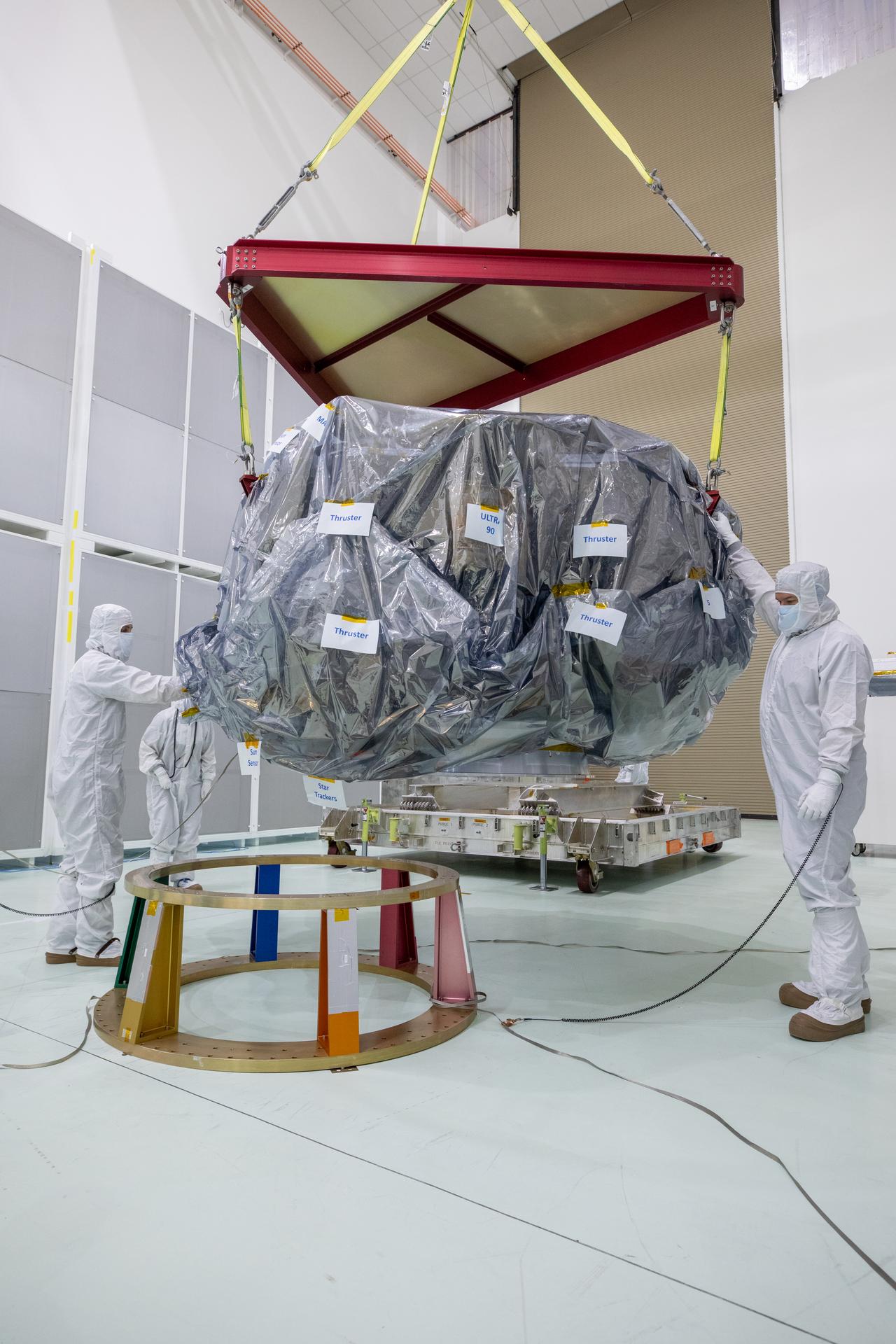
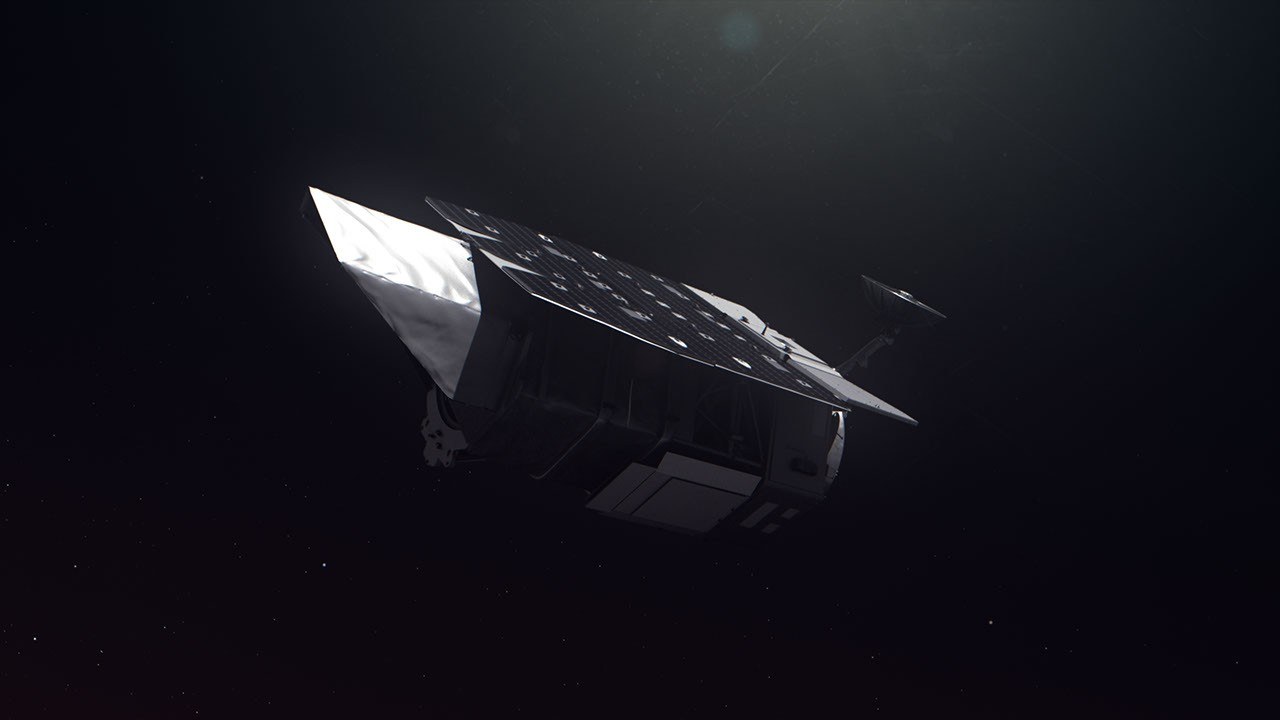
NASA reported on December 16, 2025 that all ten instruments on IMAP had recorded their first measurements in space. The spacecraft was still traveling toward the Earth–Sun L1 region. Its initial observations were preliminary science data, with final commissioning and calibration still ahead; the announcement was not the release of a completed operational survey. [1]
Three instruments—IMAP-Lo, IMAP-Hi and IMAP-Ultra—measure energetic neutral atoms. NASA’s first-light account described partial maps assembled from those observations. At the time, the agency aimed to begin operational science in February 2026. That was a planned transition recorded in December, separate from the demonstrated first measurements. [1]
NASA’s mission explanation describes why these particles are useful messengers. Charged particles follow magnetic fields, while neutral atoms can travel in straight lines. Researchers can trace their arrival directions back toward distant regions where they formed, building a picture of the heliosphere’s boundary without sending the observatory all the way there. [2]
The mission also has a nearer-term space-weather role. From L1, about a million miles sunward of Earth, instruments can observe incoming particles and feed forecasting models. This complements the distant boundary maps: it does not turn an initial image into a guaranteed warning for every hazardous event, or establish forecast accuracy from first-light data alone. [2]
The source
- NASA: NASA'S IMAP Captures First Light ↗
Source date 2025-12-16 · reviewed October 28, 2026 · Dated official source publication shown by page. - NASA: Interstellar Mapping and Acceleration Probe (IMAP) ↗
Source date 2023-06-15T15:11:02-04:00 · reviewed October 28, 2026 · Original CMS publication time and separate latest modification time appear in retrieved article metadata; current mission-page snapshot is context, not proof all present details were known on its2023 creation date.
About this item: Retrospective report. No first-hand reporting or independent testing is claimed. Corrections policy.