NASA lithium-thruster test leaves endurance question open
Retrospective: A plasma experiment still faces sustained-operation tests.
- Event / announcement date
- 2026-02-24
- Earliest linked source date
- 2018-10-23
- NewsTumble first published
- 2026-10-27T03:55:25Z
- NewsTumble updated
- 2026-10-27T03:55:25Z
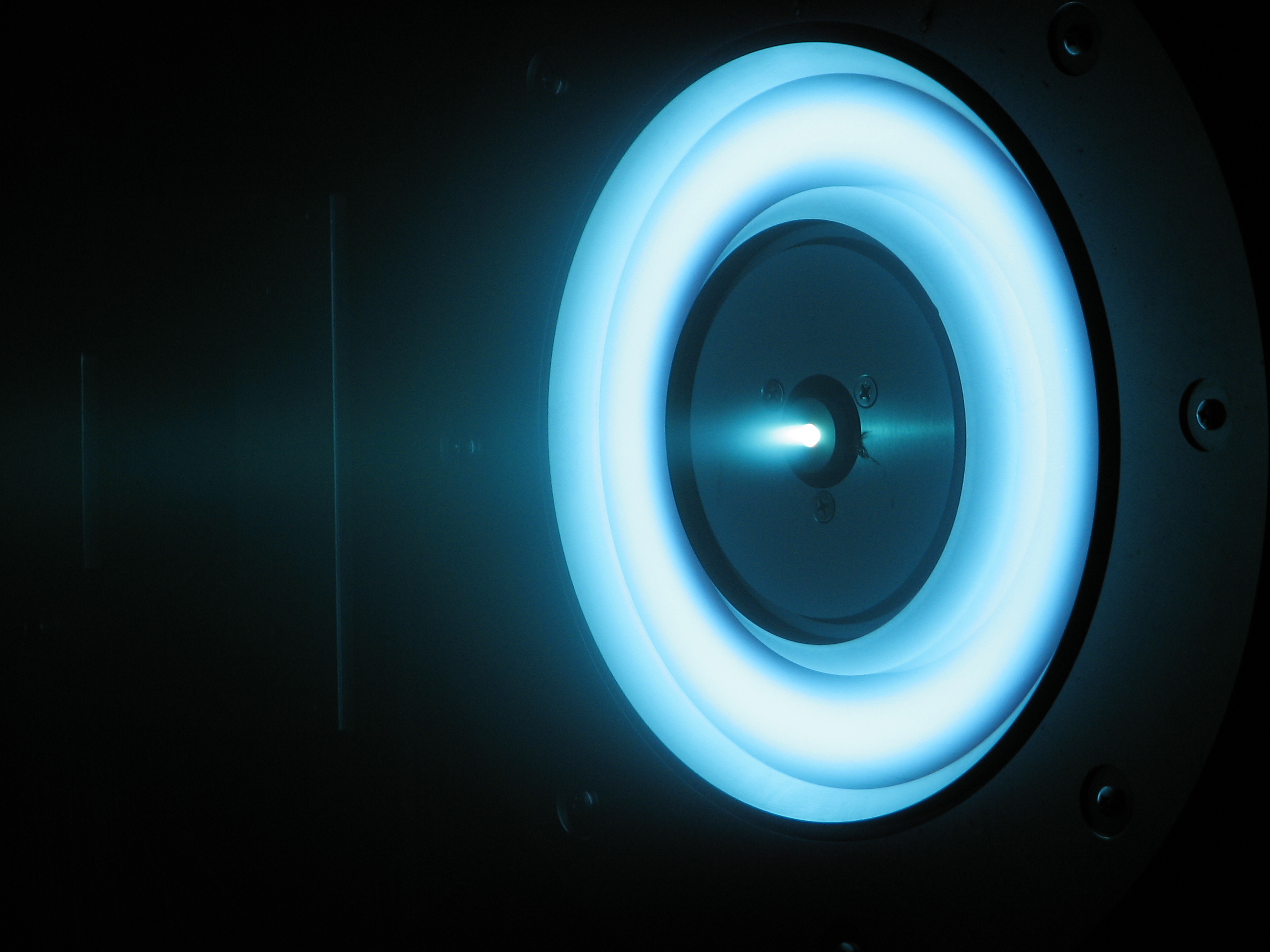
NASA reported that its February 24, 2026, vacuum-chamber test of a lithium-fed thruster reached 120 kilowatts. High currents and a magnetic field accelerated lithium plasma. [1]
Electric propulsion already has a flight history. Dawn accelerated xenon ions with an electrical charge, producing a small force over long operating periods. Its design illustrates why sustained thrust can accumulate substantial speed without the brief, powerful burn of a launch rocket. [2]
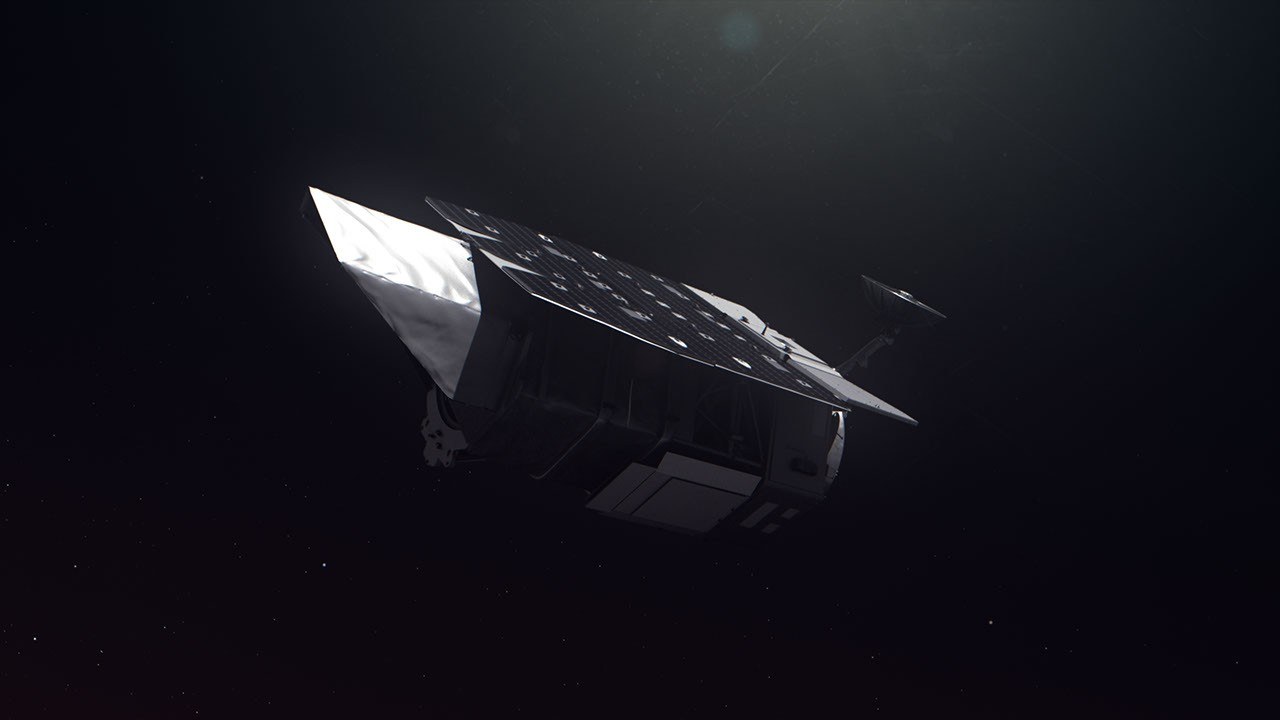
Psyche uses four Hall-effect thrusters, operating one at a time. Its solar arrays power fields that expel xenon ions. That flown arrangement provides a concrete comparison for the lithium prototype, rather than evidence that the newer engine is flight-ready. [3]
A nuclear-electric system would add another chain of machinery: reactor heat generates electricity, which powers propellant ionization and acceleration. NASA distinguishes that approach from nuclear-thermal propulsion, where reactor heat directly heats propellant flowing to a nozzle. [4]
The next hurdle is endurance. NASA said a human-Mars system might need multiple thrusters operating for more than 23,000 hours. February’s firing did not establish that lifetime. [1]
The source
- NASA: NASA Fires Up Powerful Lithium-Fed Thruster for Trips to Mars ↗
Source published 2026-04-28 · reviewed October 26, 2026 · Published April 28, 2026; updated June 22, 2026. Reported test occurred February 24, 2026. - NASA: Ion Propulsion ↗
Source published 2018-10-23 · reviewed October 26, 2026 · Created October 23, 2018 (NASA metadata); page last updated November 2, 2024. Historical mission description retains future-tense passages. - NASA: Psyche Spacecraft ↗
Source published 2023-08-10 · reviewed October 26, 2026 · Created August 10, 2023 (NASA metadata); last updated September 10, 2026. - NASA: Space Nuclear Propulsion ↗
Source published 2023-05-08 · reviewed October 26, 2026 · Created May 8, 2023 (parsely-pub-date metadata); page updated July 21, 2026.
About this item: Retrospective report. No first-hand reporting or independent testing is claimed. Corrections policy.