A dimming star’s unresolved gas
Spectra narrow the possibilities.
- Event / announcement date
- 2026-01-21
NOIRLab’s January 21 report described fortyfold dimming during 2024–25. Metal signatures and repeated historical dimmings supported an orbiting obscurer; its companion remained unidentified. [1] [2]
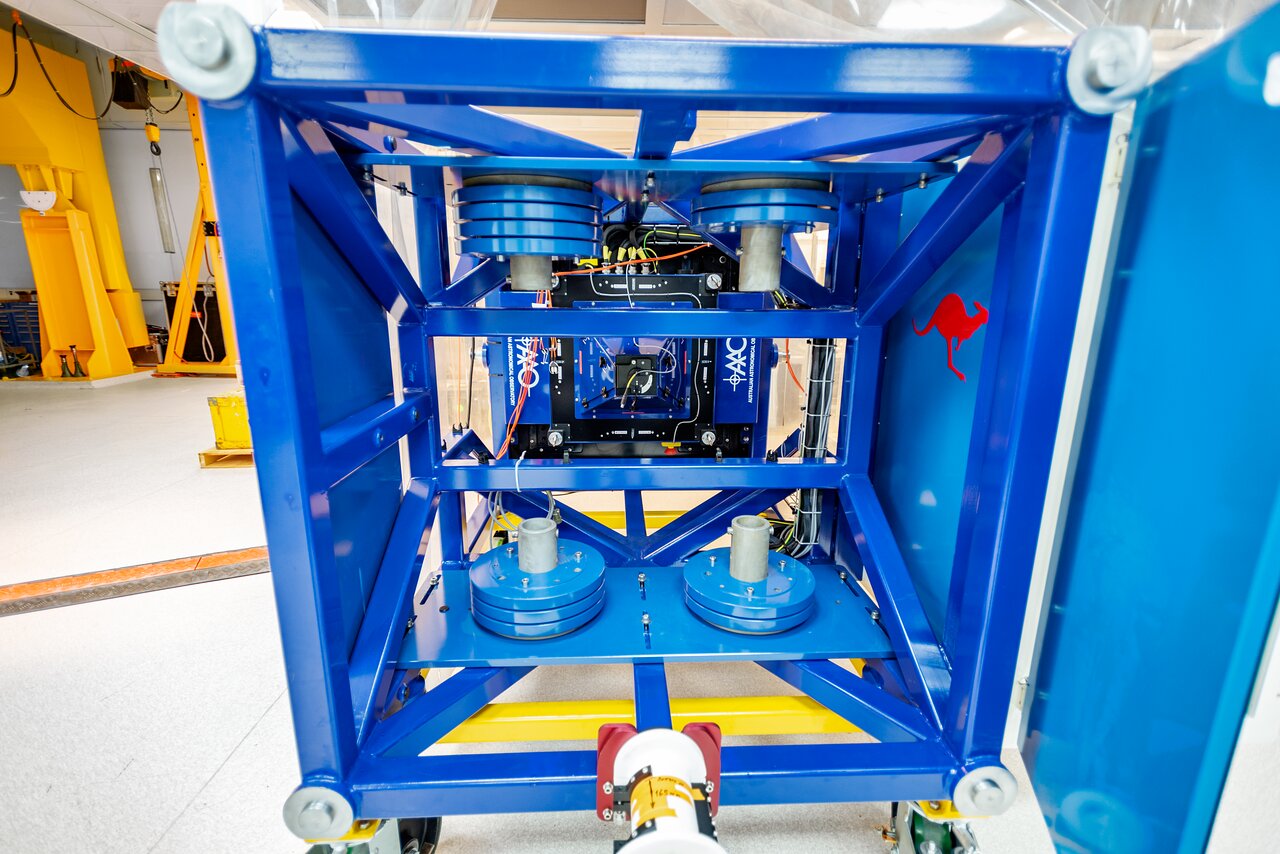
The GHOST instrument reference explains the measurement chain: fibers carry light from Gemini South to an isolated, thermally stabilized spectrograph bench. Splitting that light into fine wavelength intervals exposes chemical lines and their Doppler shifts. This is a measurement of light, not a resolved photograph of the hidden companion. [3]
Displaced metal lines could trace winds or rotation, the author manuscript cautions. A planetary collision could explain old-system debris, but was not observed. The companion’s mass and gas geometry needed further tests. [2]
The source
- NOIRLab: Dimming-star report ↗
Source date 2026-01-21 · reviewed October 30, 2026 · Dated institutional account. - Zakamska et al.: Occultation analysis ↗
Source date 2025-07-07 · reviewed October 30, 2026 · Author manuscript; revised November 12, 2025. - NOIRLab: GHOST design ↗
Undated reference · reviewed October 30, 2026 · Publication date not given.
About this item: Retrospective report. No first-hand reporting or independent testing is claimed. Corrections policy.