Ocean DNA needs sampling context
A portal connects sequences and fieldwork.
- Event / announcement date
- 2026-10-21
NOAA announced Ocean DNA Explorer on October 21 to make genetic datasets searchable and reusable. Each sample combines sequence-based taxonomic records with location, time, ocean conditions and processing details. Those details make a genetic detection interpretable beyond a map marker. [1]
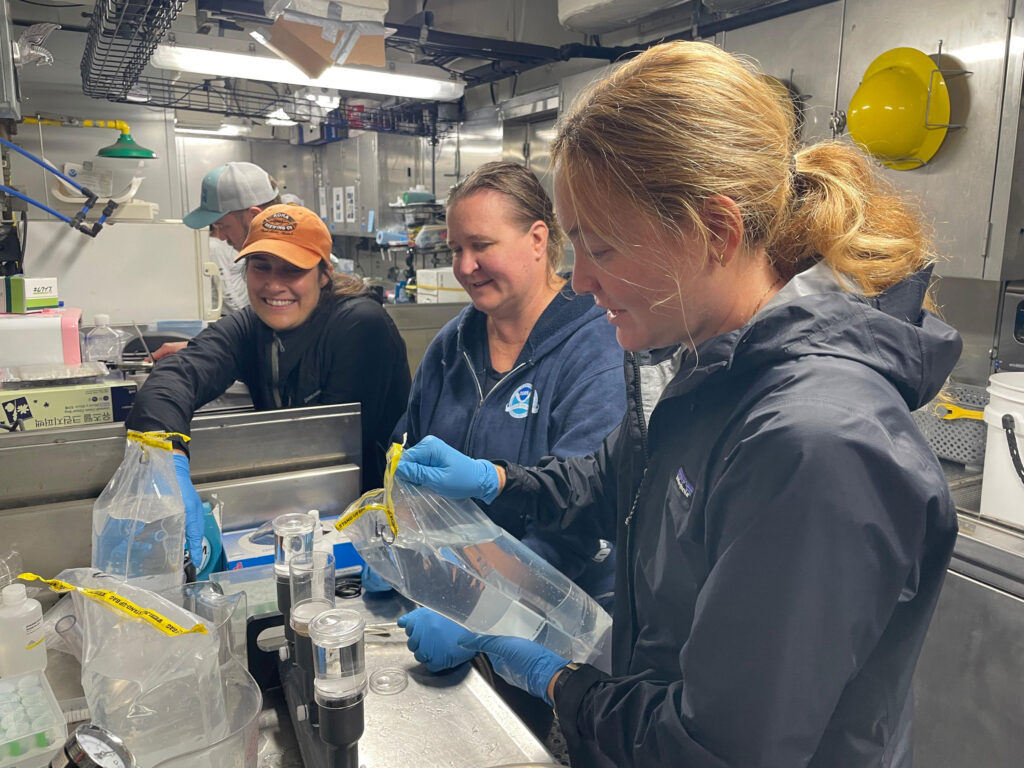
NOAA’s methods reference explains the workflow: seawater is filtered, preserved and sequenced; DNA patterns are compared with a reference database. This can reveal organisms cameras miss, including those avoiding vehicle lights. Genetic sampling complements visual observations rather than requiring an animal to be photographed. Preserved samples can be stored for years, allowing scientists to revisit an unknown species. [2]
Initial NOAA projects included samples from six expeditions in 2021–2023. The portal simplified access to existing records. Direct sharing with the global OBIS biodiversity database remained planned; contributors still had to prepare and quality-check data. [1]
The source
- NOAA: Ocean DNA Explorer ↗
Source date 2026-10-21 · reviewed October 29, 2026 · publication - NOAA: Environmental DNA methods ↗
Source date 2020-07-23 · reviewed October 29, 2026 · publication
About this item: News report. No first-hand reporting or independent testing is claimed. Corrections policy.