A surviving reef is one measure of restoration
Long-lived oysters, reef footprints and ecosystem functions require different evidence.
- Event / announcement date
- 2026-10-19
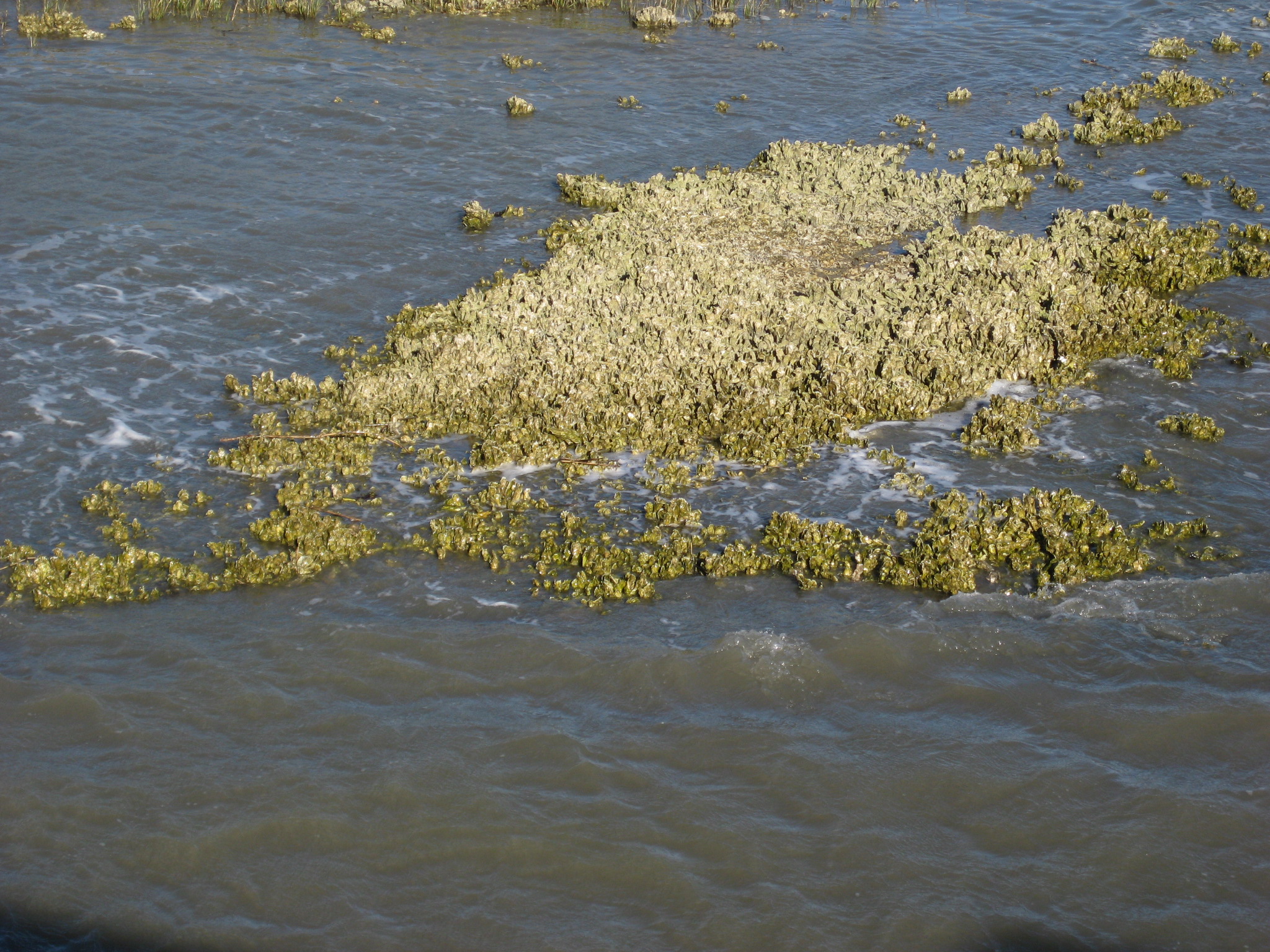
NOAA’s October 19 assessment revisited old restoration projects in four North and South Carolina estuaries against nearby natural reefs. Surviving restored reefs generally matched references in elevation and oyster population size. Larger starting footprints did not necessarily leave larger reefs. [1]
The comparison also identified tidal elevation, sediment and wave exposure as important site conditions. It does not establish that every project survived or every ecological function recovered. [1]
NOAA Fisheries explains the mechanism: oyster larvae attach to hard surfaces and grow shell upon shell, building habitat. Restoring living structure therefore differs from simply placing substrate. [2]
Its monitoring account separately lists density, biomass, footprint and height. Those are explicit tests of reef condition; a claim about fish habitat or water filtration needs evidence of that function, not just a larger planting area. [2]
The source
- NOAA NCCOS: Restored oyster reefs ↗
Source date 2026-10-19 · reviewed October 29, 2026 - NOAA Fisheries: Oyster habitat and monitoring ↗
Undated reference · reviewed October 29, 2026 · No publication date is given on this reference.
About this item: News report. No first-hand reporting or independent testing is claimed. Corrections policy.