Why Parker’s comet images needed calibration
Exposure settings and infrared chemistry supplied different evidence.
- Event / announcement date
- 2025-12-19
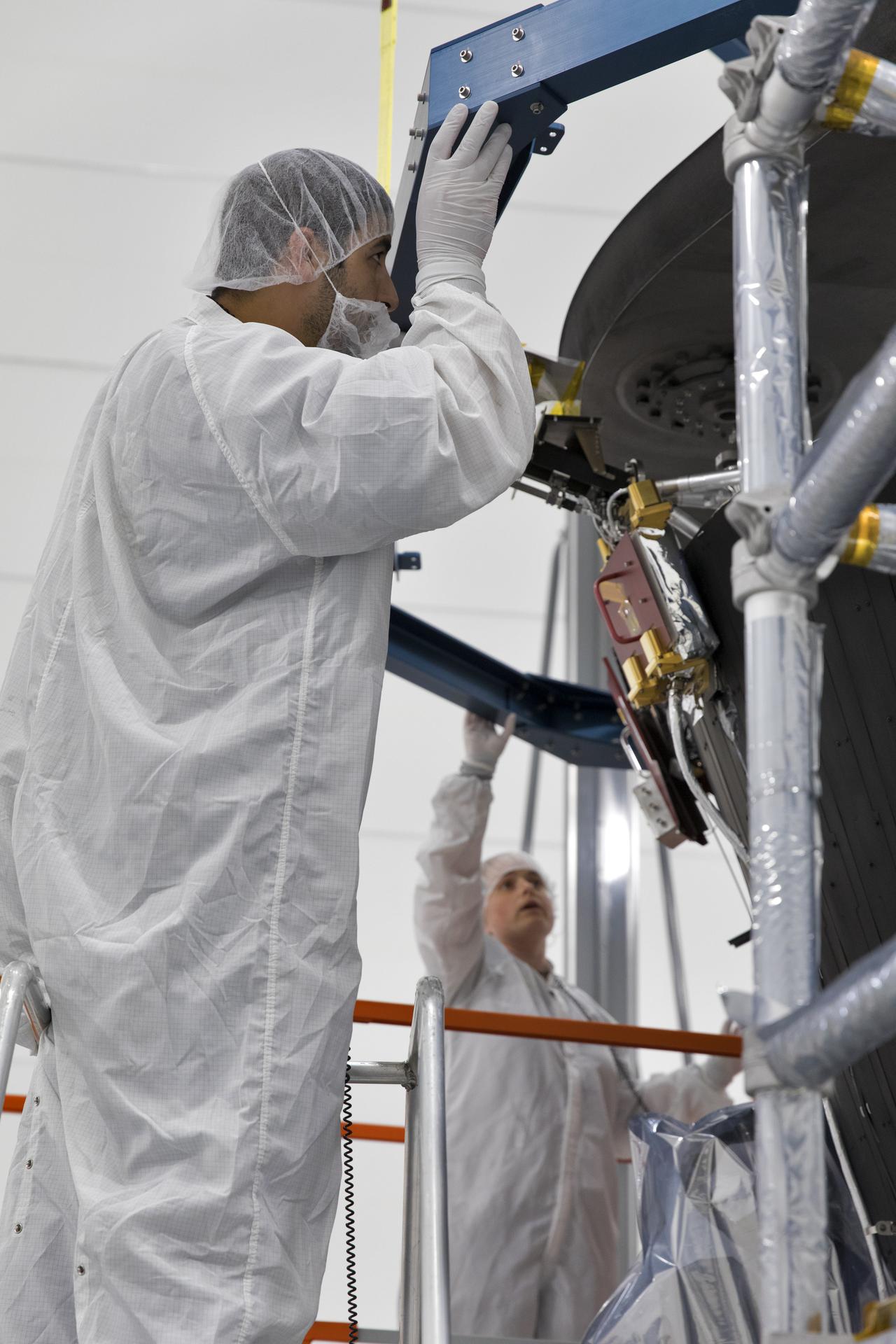
NASA’s December 19 release described Parker Solar Probe images of comet 3I/ATLAS taken October 18–November 5, 2025. The spacecraft saw the comet when its apparent proximity to the Sun made Earth-based viewing difficult. Its location filled an observational gap. [1]
Parker’s images still needed calibration: exposure-time differences could mimic brightness changes, and stray sunlight needed removal. An apparent change between frames therefore did not establish a change in the comet. [1]
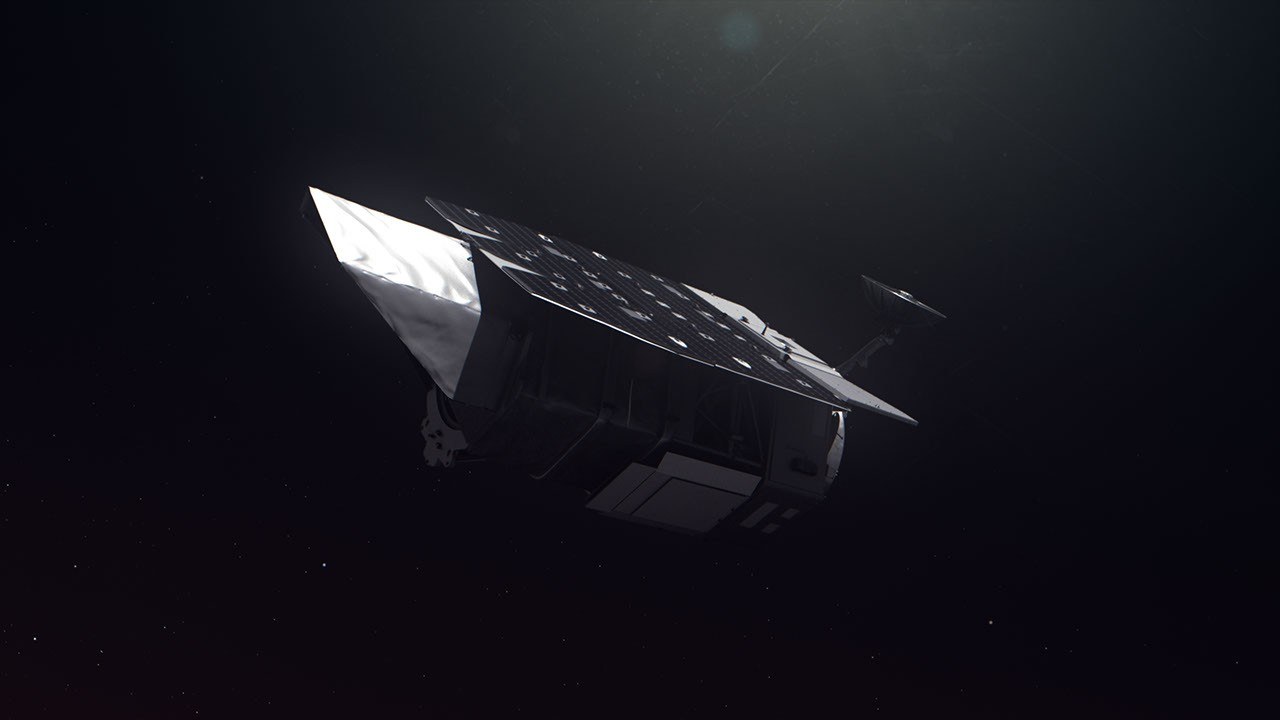
A February 4 follow-up described SPHEREx’s separate December infrared campaign. It identified organic molecules and increased activity after the comet’s closest solar approach. NASA explained that heat can take time to reach subsurface ice, delaying gas release. This offered a physical explanation to test beyond image appearance. [2]
Organic compounds can also form without biology, NASA cautioned. Detecting them therefore did not establish life. [2]
The source
- NASA: Parker observes interstellar comet 3I/ATLAS ↗
Source date 2025-12-19 · reviewed October 29, 2026 - NASA: SPHEREx tracks brightening of interstellar comet ↗
Source date 2026-02-04 · reviewed October 29, 2026
About this item: Retrospective report. No first-hand reporting or independent testing is claimed. Corrections policy.