Runup and wave height tell different stories
A May research account examined an August 2025 landslide and a prolonged fjord oscillation.
- Event / announcement date
- 2026-05-05
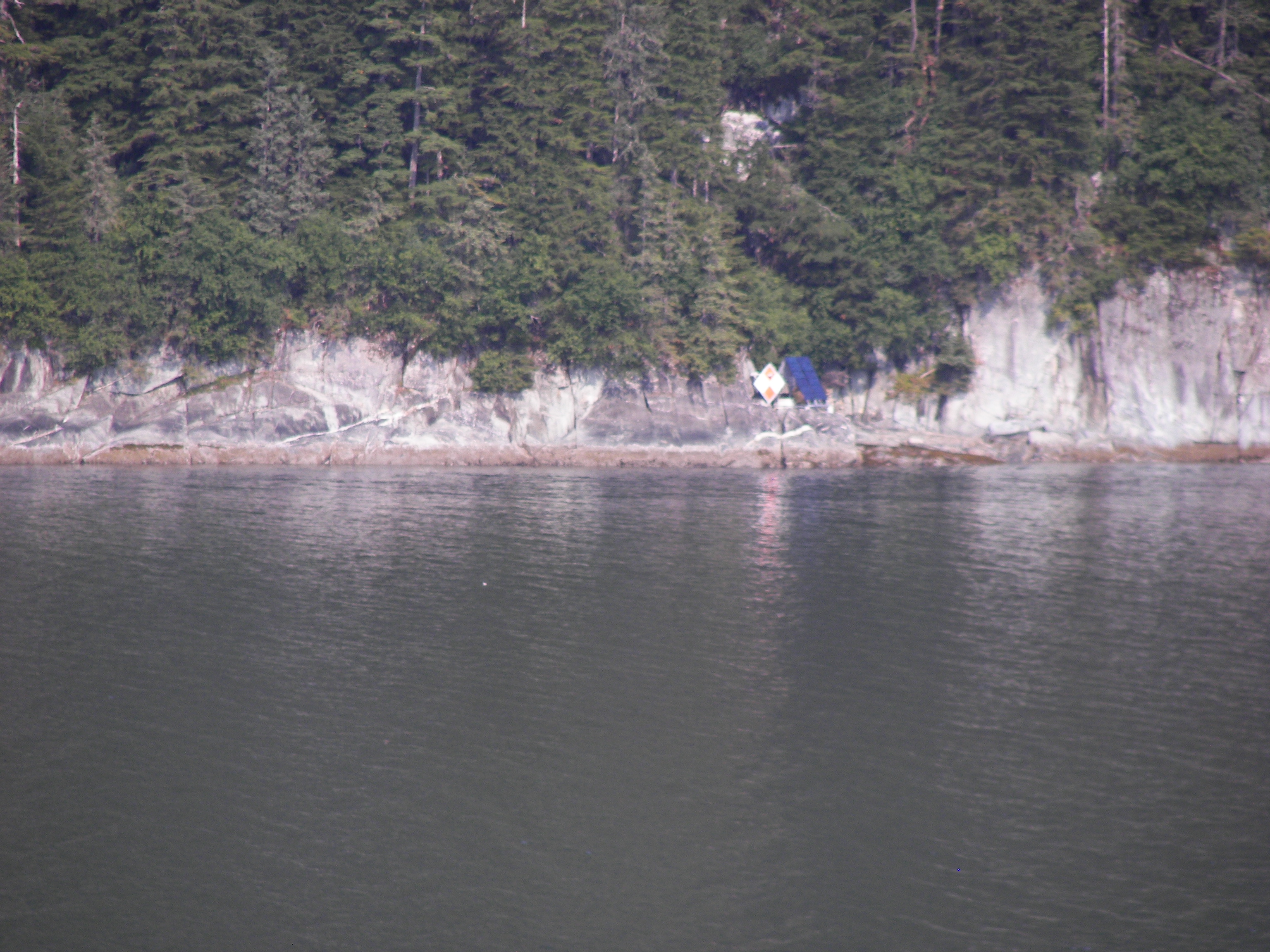
A USGS study record dated May 5, 2026 describes the August 10, 2025 Tracy Arm landslide in Alaska. It reports a 481-meter runup following an initial 100-meter breaking wave, two different measurements. [1]
NOAA defines runup as the maximum elevation tsunami flooding reaches on shore. That is not the height of an offshore traveling wave; reading the terms separately preserves what a dramatic number actually describes. [2]
The study also reports a roughly 66-second seismic signal from a seiche lasting up to 36 hours. Duration describes a continuing oscillation, not a 481-meter wave persisting throughout that period. [1]
NOAA’s reference explains a seiche as a standing wave in an enclosed or partly enclosed basin. Water moves back and forth; earthquakes or tsunamis can initiate it. Basin motion is a distinct process from one outward-traveling crest. [3]
The source
- USGS: Tracy Arm study ↗
Source date 2026-05-05 · reviewed October 29, 2026 - NOAA: Runup definition ↗
Undated reference · reviewed October 29, 2026 · No publication date is given on this reference. - NOAA: Seiche definition ↗
Undated reference · reviewed October 29, 2026 · No publication date is given on this reference.
About this item: Retrospective report. No first-hand reporting or independent testing is claimed. Corrections policy.