WHO’s school-food guideline separated firm standards from conditional nudges
The January launch addressed the food environment beyond a single meal or menu.
- Event / announcement date
- 2026-01-27
- Earliest linked source date
- 2026-01-27
- NewsTumble first published
- 2026-10-25T22:31:04Z
- NewsTumble updated
- 2026-10-25T22:31:04Z
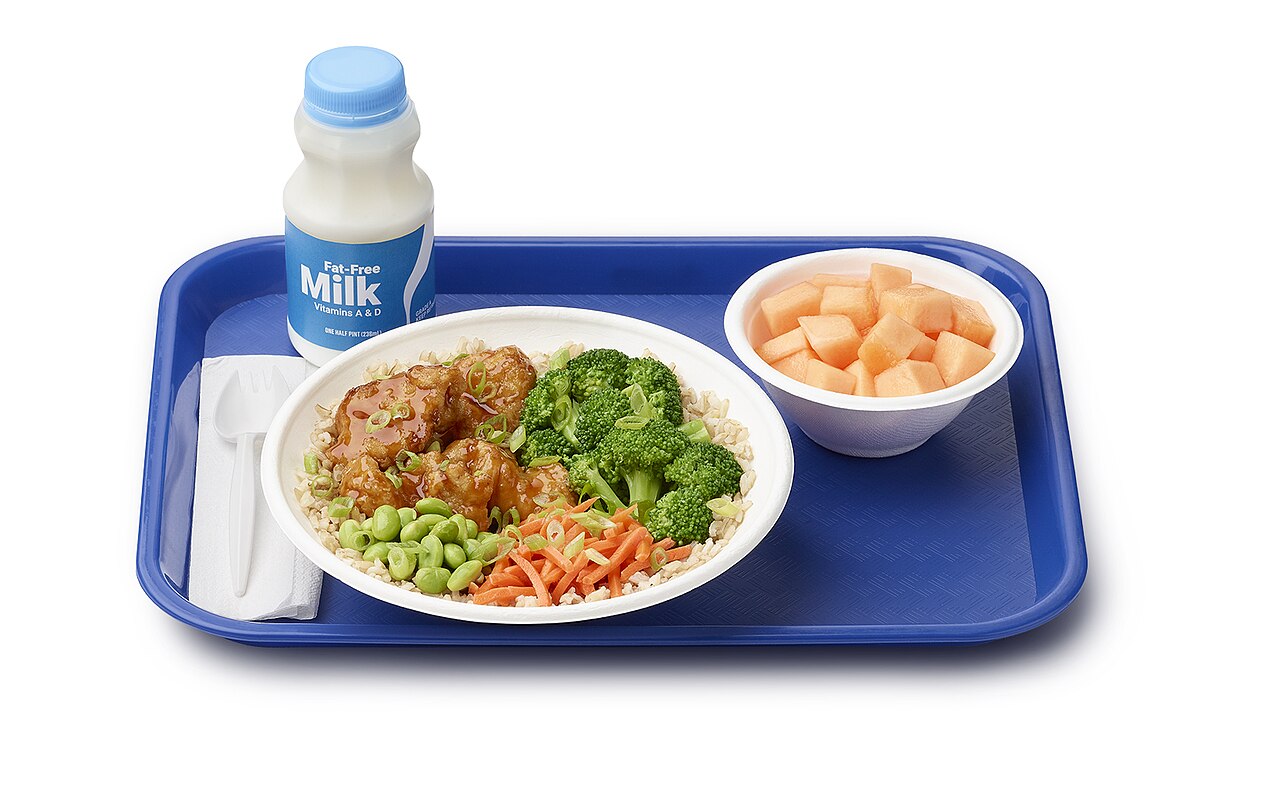
WHO launched a global school-food guideline on January 27, 2026, urging countries to consider the entire school food environment. Its scope included food provided on campus and the wider setting in which pupils choose and buy it. These were recommendations, not new trial results. [1]
The guideline made a strong recommendation for standards or rules that improve access to healthier foods and limit unhealthy options. It treated nudges differently: changes to placement, presentation or price received a conditional recommendation. Keeping those categories separate preserves the strength assigned to each approach. [1]
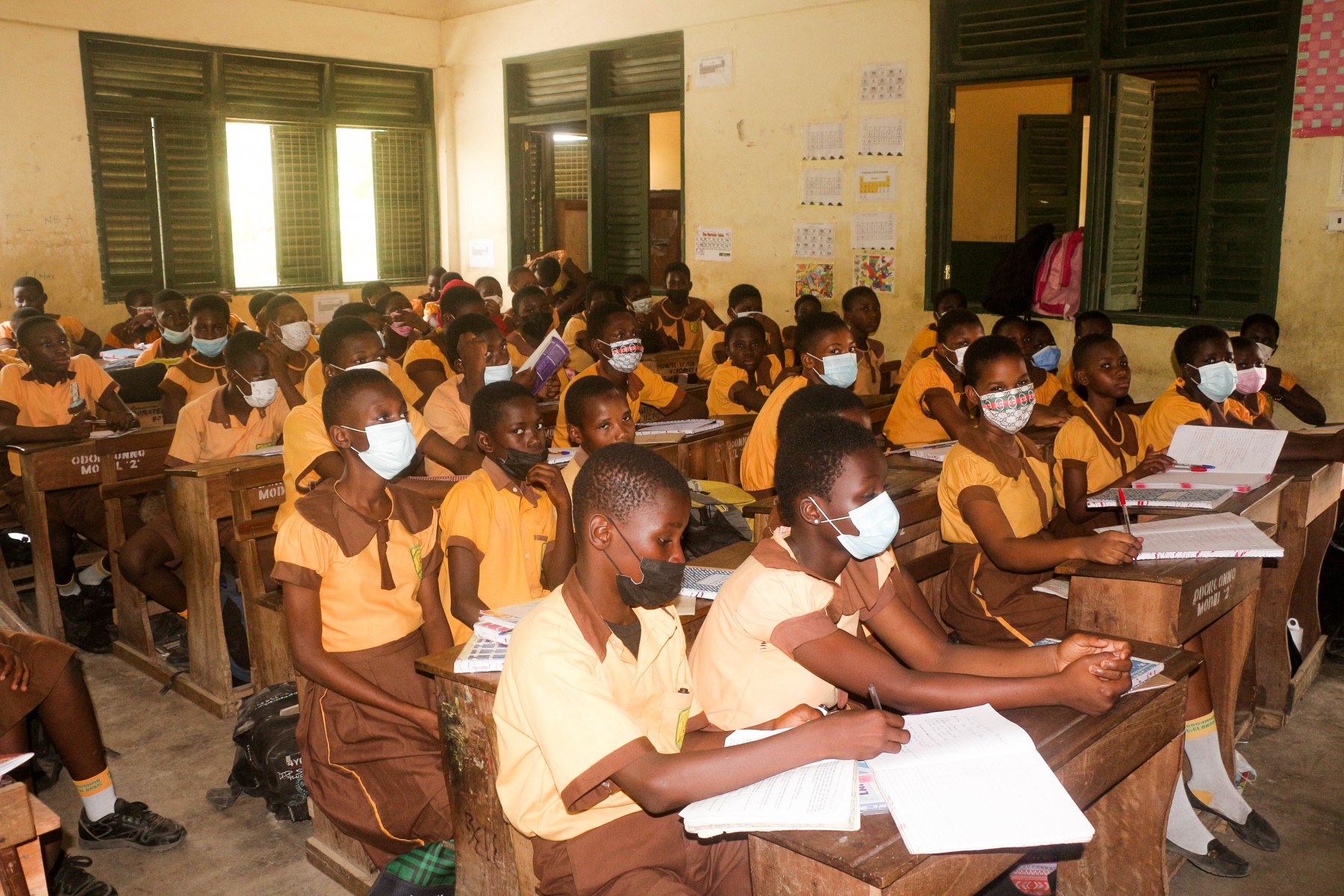
WHO estimated that 466 million children received school meals, while acknowledging limited information about nutritional quality. A large number of meals served therefore did not answer whether those meals met appropriate standards. The agency also emphasized monitoring and enforcement when putting policies into practice. [1]
As of October 2025, 104 member states had healthy school-food policies; only 48 restricted marketing of foods high in sugar, salt or unhealthy fats. Those were the database counts cited at launch, not a current inventory of every country’s rules. [1]
The source
- World Health Organization: WHO urges schools worldwide to promote healthy eating for children ↗
Source published 2026-01-27 · reviewed 2026-10-25
About this item: Retrospective source brief. No first-hand reporting or independent testing is claimed. Corrections policy.