WHO’s May health statistics showed gains alongside slowing coverage
The report combined indicators from different years and highlighted weaknesses in mortality data.
- Event / announcement date
- 2026-05-13
- Earliest linked source date
- 2026-05-13
- NewsTumble first published
- 2026-10-25T22:31:04Z
- NewsTumble updated
- 2026-10-25T22:31:04Z
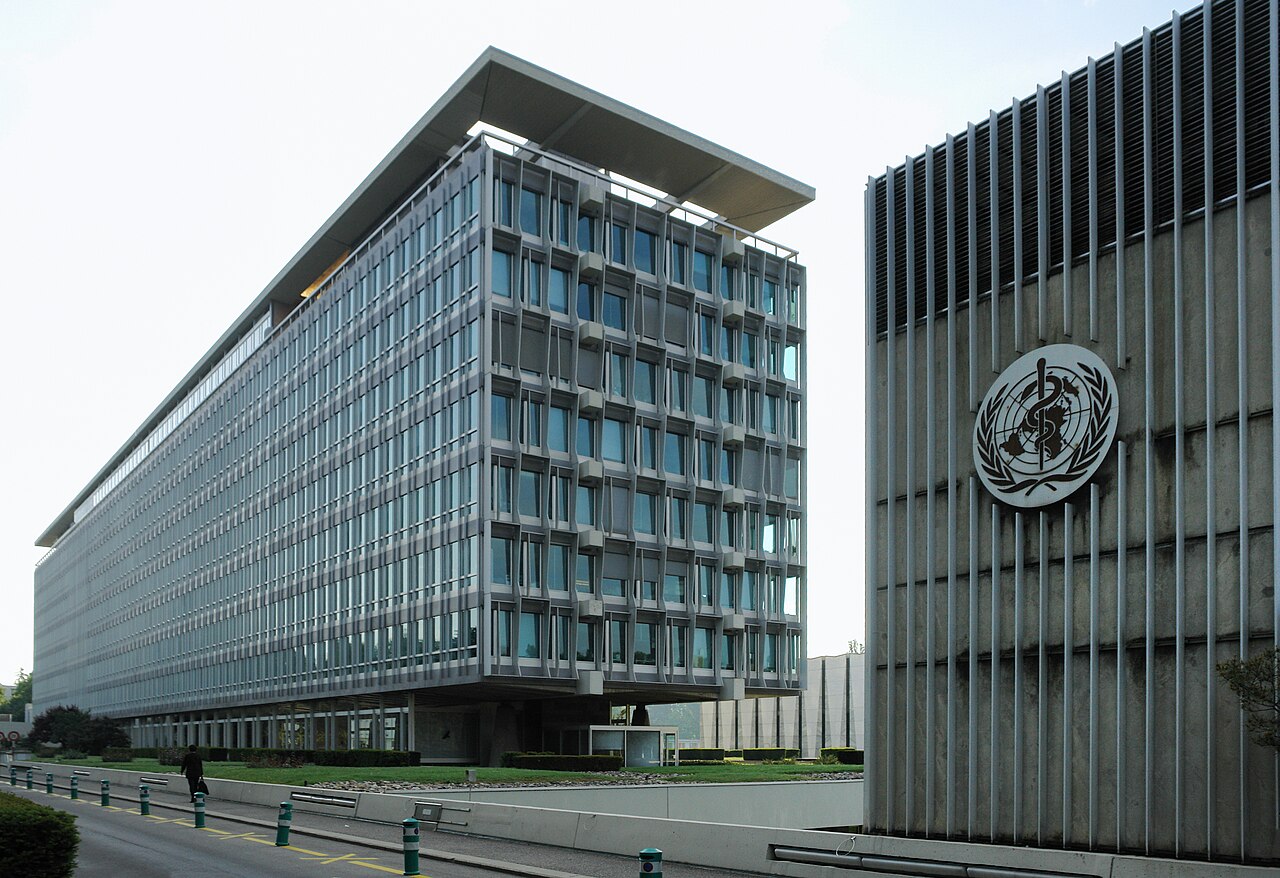
The World Health Statistics report released May 13, 2026 described uneven global progress and warned that health-related development goals remained off track. Its indicators came from different observation periods. Publication in 2026 did not mean every statistic described that year. [1]
Among the gains, WHO reported a 40% decline in new HIV infections between 2010 and 2024, and a 36% fall in people needing interventions for neglected tropical diseases over the same period. Other trends moved differently: malaria incidence had increased by 8.5% since 2015. [1]
The universal health coverage service index rose from 68 in 2015 to 71 in 2023. WHO also reported that 1.6 billion people were living in, or pushed into, poverty because of direct health spending in 2022. The index and financial-hardship measure address separate aspects of access. [1]
The agency cautioned that data quality limited assessment. At the end of 2025, only 18% of countries reported mortality data within one year, and about a third met its high-quality mortality-data standards. Reading the findings requires attention to those gaps as well as the headline trends. [1]
The source
- World Health Organization: Global health gains face threat of reversal ↗
Source published 2026-05-13 · reviewed 2026-10-25
About this item: Retrospective source brief. No first-hand reporting or independent testing is claimed. Corrections policy.