WMO’s ozone bulletin paired recovery signs with monitoring concerns
Retrospective: September’s assessment distinguished yearly variation from long-term recovery.
- Event / announcement date
- 2026-09-16
- Earliest linked source date
- 2026-09-16
- NewsTumble first published
- 2026-10-25T22:01:35Z
- NewsTumble updated
- 2026-10-25T22:01:35Z
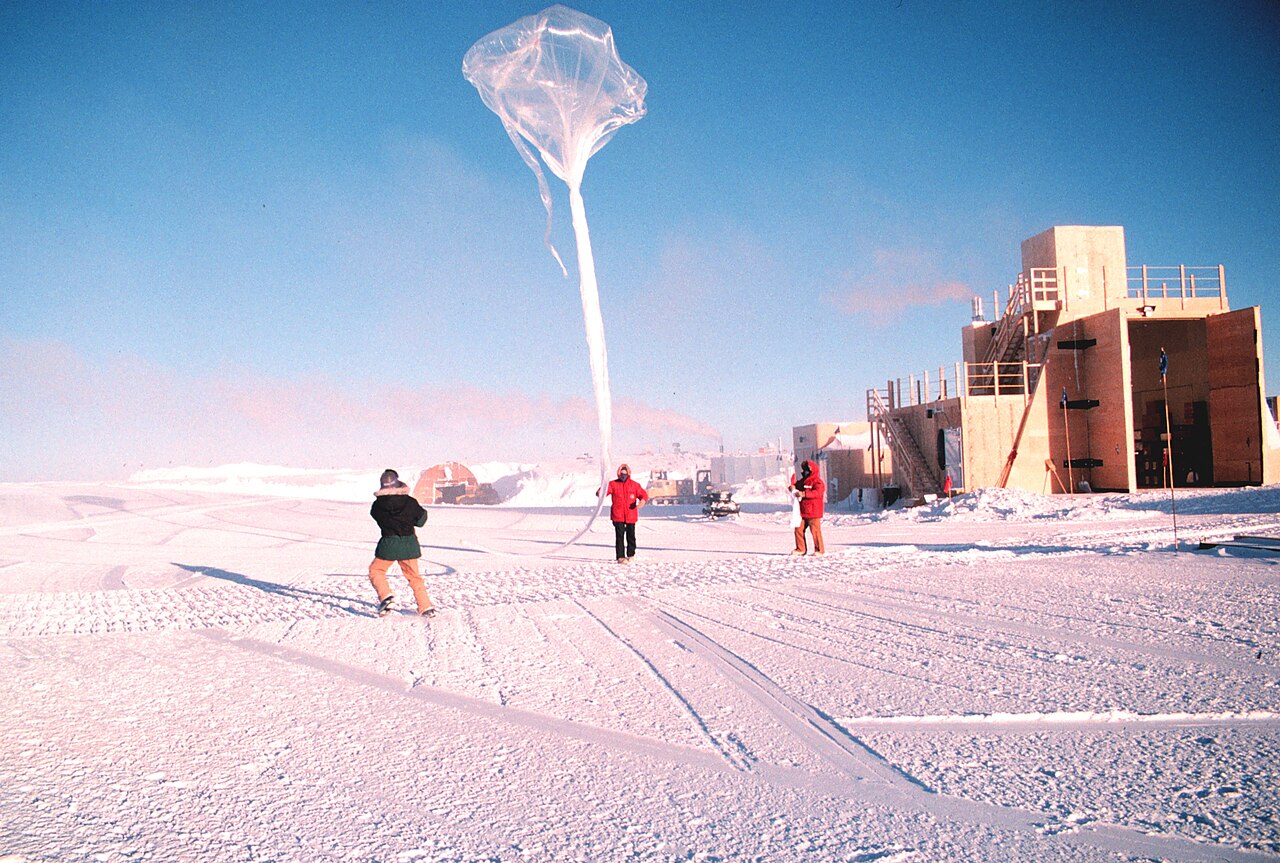
The Antarctic ozone hole in 2025 was among the smallest in recent decades, the World Meteorological Organization reported in its September 16, 2026 bulletin announcement. It ranked fourth to fifth smallest since severe depletion patterns were observed in 1992. Both its depth and extent were below the 1990–2010 average for a second consecutive year. [1]
WMO cautioned that yearly changes reflect large-scale atmospheric conditions as well as the longer recovery trend. In 2025, total column ozone was below average across a broad Northern Hemisphere region. The Antarctic result therefore cannot be read as proof that ozone depletion has ended everywhere. The agency linked long-term recovery to reductions in substances controlled by the Montreal Protocol. [1]
The bulletin also identified a weakening observation network. Active stations using the traditional Dobson and Brewer instruments had declined from around 130 in the early 2000s to 110, with closures often occurring where observations were already sparse. That makes the measurement system part of the story: sustained observations are needed to separate annual fluctuations, longer trends and unexpected emissions. [1]
The source
- WMO: WMO bulletin shows successes and challenges in ozone layer recovery ↗
Source published 2026-09-16 · reviewed 2026-10-25
About this item: Retrospective source brief. No first-hand reporting or independent testing is claimed. Corrections policy.