Tracing the adaptation-finance gap
Cost estimates, funding flows and local delivery differ.
- Event / announcement date
- 2025-10-29
UNEP’s October 29, 2025 assessment put developing countries’ annual adaptation needs in 2035 at $310 billion using models, or $365 billion using needs expressed in country plans. Both estimates use 2023 prices. International public adaptation flows were $26 billion in 2023. These figures describe different methods and time points, rather than money already spent in 2035. [1]
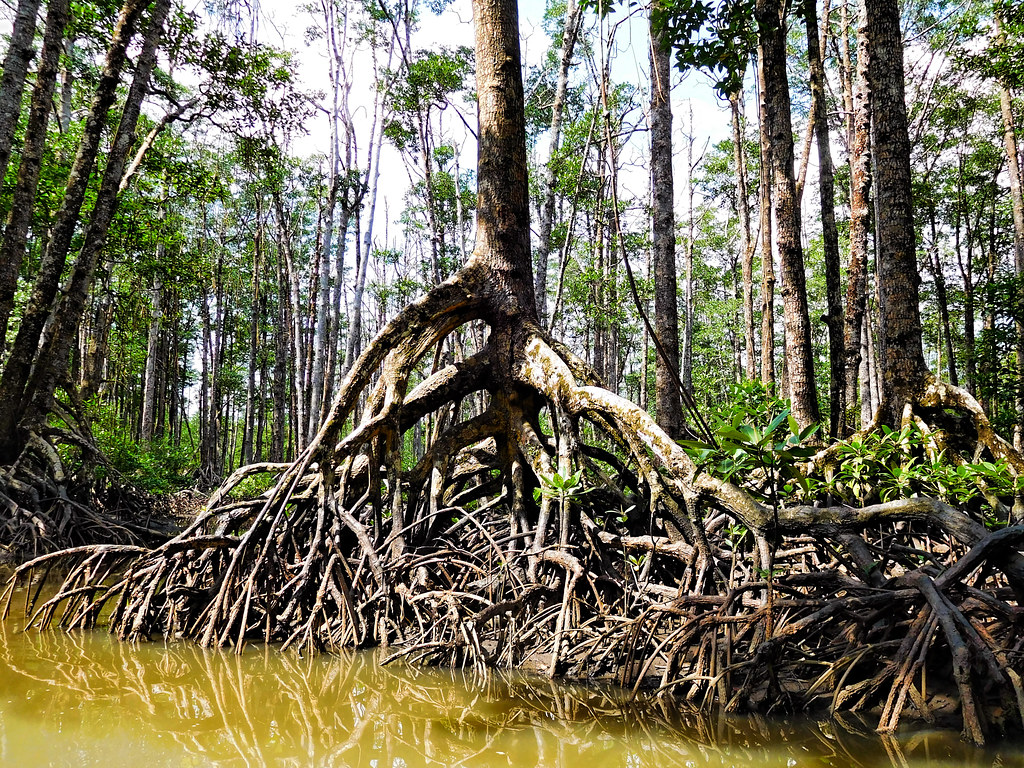
UNEP’s separate planning guide describes national adaptation plans as a continuous, country-led process: identifying medium- and long-term vulnerabilities, then integrating responses into development policies across sectors and levels of government. It also links ecosystem-based adaptation resources. A plan thus organizes decisions about climate risks; its existence does not itself demonstrate delivery of a particular project. [2]
UN DESA’s 2024 brief describes coordination among environment, planning, water and agriculture ministries and local authorities. For smaller municipalities, it recommends pooling resources and joint procurement to handle expensive climate projects. The mechanism is institutional: aligning who plans, pays and implements, while involving affected communities in the design of responses. [3]
The source
- UNEP: Adaptation finance ↗
Source date 2025-10-29 · reviewed October 29, 2026 · Dated October 29, 2025; estimates concern 2035. - UNEP: Adaptation planning ↗
Undated reference · reviewed October 29, 2026 · Undated reference; no publication date is given. - UN DESA: Climate coordination ↗
Source date 2024-08-23 · reviewed October 29, 2026 · Dated August 23, 2024; historical context.
About this item: Retrospective report. No first-hand reporting or independent testing is claimed. Corrections policy.