Neurotech guidance moves toward national policy
An international recommendation has a distinct role.
- Event / announcement date
- 2025-11-11
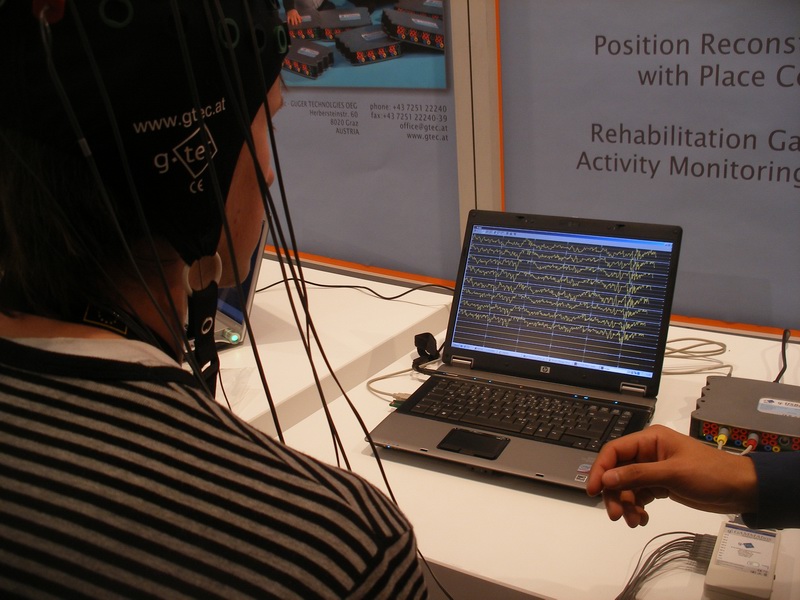
UNESCO’s November 11, 2025 plenary adopted its neurotechnology recommendation by acclamation. The record describes ethical guardrails intended to protect human rights. It also records that the United Kingdom dissociated itself from three paragraphs and Iran entered reservations concerning domestic law, national priorities and religious values. Formal adoption therefore did not erase differences over the text. [1]
UNESCO’s earlier November 5 announcement highlighted consent, mental privacy and protections for children. It warned against workplace productivity monitoring and employee data profiles, and advised against non-therapeutic uses involving developing brains. It also called for accessible information about products that might influence behaviour or encourage addiction. These statements describe the policy safeguards UNESCO was advocating. [2]
The legal office’s separate guide describes recommendations as instruments meant to influence national laws and practices. Conventions define rules that states undertake to comply with. The distinction is useful when reading the label: international endorsement of a recommendation does not itself document a change to a school’s or employer’s local device policy. [3]
The source
- UNESCO: November 11 plenary record ↗
Undated reference · reviewed October 29, 2026 · Undated, unedited transcript; meeting held November 11, 2025. - UNESCO: Neurotechnology safeguards ↗
Source date 2025-11-05 · reviewed October 29, 2026 · Dated November 5; formal adoption November 11. - UNESCO: Standard-setting ↗
Undated reference · reviewed October 29, 2026 · Undated reference; no publication date is given.
About this item: Retrospective report. No first-hand reporting or independent testing is claimed. Corrections policy.