Warnings need more than equipment
Reported coverage leaves delivery questions.
- Event / announcement date
- 2025-11-12
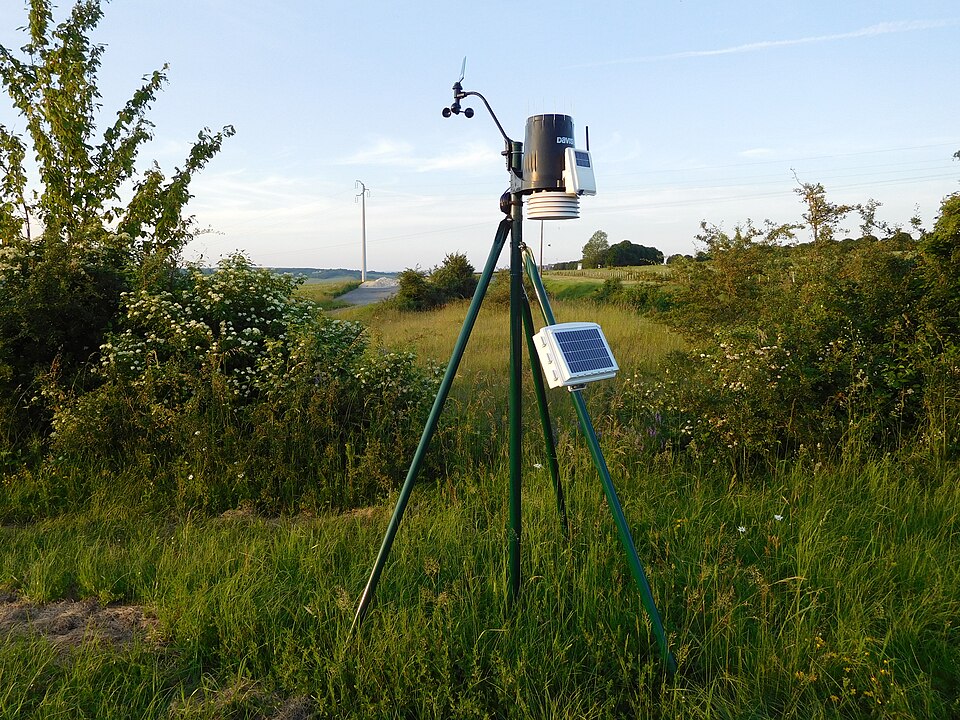
A WMO–UNDRR assessment released November 12, 2025, counted 119 countries reporting multi-hazard early warning systems. Only 43% of small island developing states reported one. Those country counts do not establish that every resident receives an actionable warning. [1]
The 2023 action plan explains the chain: risk knowledge; observation and forecasting; warning communication; and preparedness to respond. Detection is only one link. A forecast must become a message people understand, with arrangements that enable them to act. [2]
The 2025 assessment identifies sustained financing for operations and maintenance as a gap. Universal protection by 2027 remained the initiative’s goal. [1]
WMO’s April 2024 monitoring account describes capacity assessments covering institutions, finance, observation, forecasting and service delivery. Its dashboard separates global, implementation and country-capacity indicators. That distinction matters when judging progress: equipment, institutional readiness and warnings reaching people describe different parts of the system. [3]
The source
- WMO: Early warning assessment ↗
Source date 2025-11-12 · reviewed October 29, 2026 - WMO: Warning-system action plan ↗
Source date 2023-05-05 · reviewed October 29, 2026 - WMO: Warning capacity monitoring ↗
Source date 2024-04-04 · reviewed October 29, 2026
About this item: Retrospective report. No first-hand reporting or independent testing is claimed. Corrections policy.