WMO’s water assessment separated short droughts from declining reserves
The 2025 data linked abnormal river flows with depleted storage; groundwater science explains why their consequences can last.
- Event / announcement date
- 2026-09-17
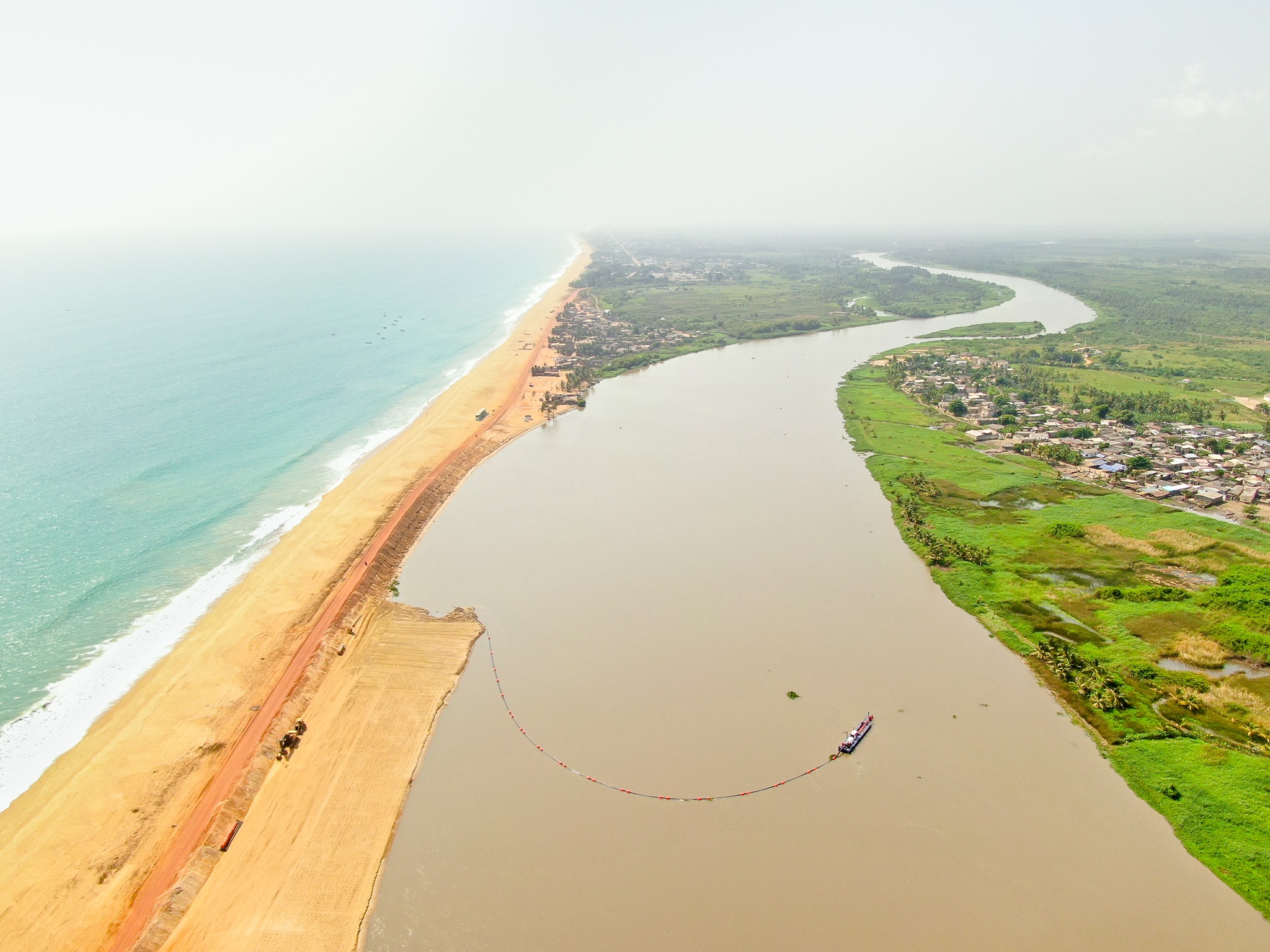
WMO’s September 17, 2026 water-resources assessment described 2025 as one of the driest years for global river discharge in 35 years. It also identified declining terrestrial water storage since the mid-2010s. These measure different things: river flow can change quickly with weather, while groundwater and ice can accumulate or deplete over much longer periods. [1]
The report combined observations, models and satellite information. WMO said Africa and Asia remained underrepresented in hydrological observations despite being heavily affected by extremes. Its worldwide assessment therefore cannot substitute for a local well record, and uncertainty should be checked alongside any map showing apparently uniform coverage. [1]
The USGS groundwater explainer describes one mechanism behind persistent losses: pumping faster than replenishment can lower the water table. Wells may produce less water, require deeper pumping or become unusable. Lifting water from greater depth also requires more energy. A short improvement in surface conditions does not necessarily resolve these longer-term pressures. [2]
Groundwater and rivers are connected, too. USGS explains that groundwater feeds many streams, and pumping can intercept that contribution or pull surface water toward an aquifer. Geography, geology and season affect the connection. These mechanisms help readers understand potential consequences of falling reserves; they do not establish that pumping caused every change in WMO’s global assessment. [2]
The source
- WMO: WMO: Recent water trends have serious future implications ↗
Source date 2026-09-17 · reviewed October 28, 2026 · Official page prints17September2026. - USGS Water Science School: Groundwater Decline and Depletion ↗
Source date 2026-09-17 · reviewed October 28, 2026 · Actual tool-returned page byline displays September17,2026; no claim this is first creation of the underlying educational material.
About this item: Retrospective report. No first-hand reporting or independent testing is claimed. Corrections policy.